
Your Dog Isn't an Athlete. (Stop Feeding Them Like One.)
How a 20% energy gap between Western labs and Chinese apartments is quietly making pets sick.
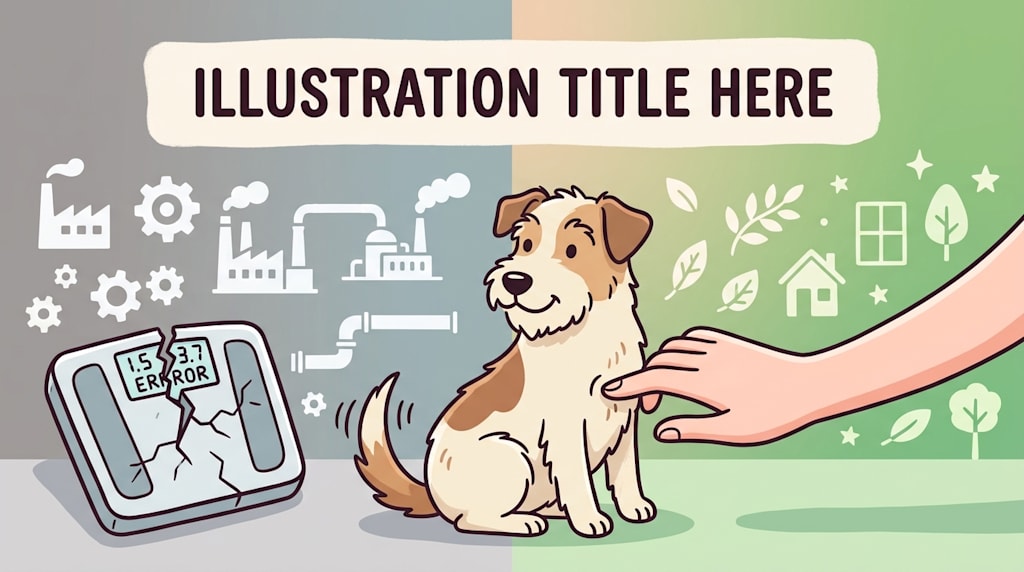
A friend messaged me recently. He owns a small-breed dog, feeds it premium imported kibble, weighs every portion with a digital scale, sticks to a strict schedule, never gives extra treats, and takes the dog for a check-up every year. The latest report came back: on the verge of fatty liver disease.
He asked me what went wrong.
I asked two questions: How long does the dog go outside each day? And how much space does it have to move around indoors?
He said he lives in a high-rise, works too much, and the dog barely ever goes out. The apartment is cluttered, and he's worried about damage, so the dog's territory is basically just a mat in the living room.
He executed the feeding routine to perfection. But that routine was designed for a completely different dog.
A Set of Numbers
A survey of Chinese pet owners found that 45.5% of dog owners take their dogs out only once a day, and 48.2% walk them for just 15 to 30 minutes each time. Among cat owners, 34.7% spend only 15 to 30 minutes playing with their cats daily, and 22.9% play for less than 15 minutes.
Taken together, the daily energy expenditure of urban pets in China is likely 20% to 30% lower than reference populations used in overseas studies.
70% to 80% of urban dogs live in apartments of 30 to 120 square meters. The neutering rate is about 59.2% for cats and 36% for dogs. Rural areas follow a different logic: pets eat table scraps—rice, noodles, meat leftovers—with potentially higher activity levels, but nutritional balance and portion control are erratic.
A 4‑kilogram cat that runs and jumps around a house with a yard won't need the same energy as one that shuffles between the sofa and the litter box.
Yet the "suggested feeding amounts" on imported kibble bags are based primarily on energy expenditure data from overseas pet populations. When you use a recipe designed for an athlete to feed a couch potato, the more precise your scale, the more entrenched the mismatch.
Another Common Habit
A lot of people stick to one food for life: same kibble for puppyhood, adulthood, and senior years. The reasoning? "They seem fine."
But "not obviously unwell" and "appropriate for this life stage" are two different things.
Kittens have small stomachs but rapid bone, muscle, and immune development—they need nutrient-dense food. Adult cats have stopped growing; the focus shifts to weight maintenance and metabolic stability, especially after neutering, when metabolic rate drops and intake can no longer simply equal expenditure. After age 7, activity and basal metabolism keep declining, muscle mass starts to fade, and teeth, chewing ability, and digestion all change.
The nutritional differences across these three stages aren't about "a little more or less." They're about different nutritional priorities.
One Piece of Advice for New Pet Owners
The amount of pet‑care information online is overwhelming. Every platform tells you what you must do and what you must never do. But if I had to condense it into a single line, it would be this:
The "suggested feeding amount" on the bag is an average for factory production. Your pet's waistline and stool are your own national standard.
This single sentence helps you dodge the two most common traps: overfeeding that leads to obesity, and blindly copying standards that cause digestive issues.
Three actions you can take right away:
First, use your hands instead of a scale.
The suggested amounts on imported kibble assume a relatively high activity level. Pets in Chinese urban apartments rarely hit that level.
Start with 70% of the bag's recommendation and observe for two weeks. Feel the ribs—if you can easily feel them but they're not visible, that's ideal. If you can't feel them, cut back. If they're sticking out, increase. Your hands are more attuned to this specific animal than any scale.
Second, switch foods according to life stages.
Use three basic cutoffs: under 1 year, 1 to 7 years, and over 7 years. After 7, proactively switch to a senior formula with low fat (crude fat ≤12%), high fiber (≥5%), and high‑quality protein. High‑quality protein matters because it slows age‑related muscle loss. Pay attention to kibble texture, too—senior pets have weaker chewing ability, and crunchiness affects how much they actually eat.
Third, adjust calories immediately after neutering.
Neutering lowers basal metabolic rate by 20% to 30%. If you keep feeding the same pre‑surgery amount, weight gain is all but guaranteed. Once the surgical wound heals, reduce daily intake by 20% immediately, or switch to a neuter‑care formula.
Why This Matters More Than Which Brand You Buy
Back to my friend's story. The problem wasn't that his kibble was inferior. It was that he overlooked one variable: the dog barely goes out and has minimal space to move.
To judge whether a food is suitable, you don't look at whether it's imported or domestic, or at the protein percentage on the ingredient panel, or at the suggested serving size. You look at age, living environment, actual activity level, neutering status, and current body condition.
One feeding framework starts with three questions: How old is your pet? What life stage are they in? What's their body condition and overall health? Then cross‑check and find the nutritional direction that matches that stage:
Kitten or puppy stage: high protein, high energy density, easy to digest, immune support.
Adult stage: precise energy control based on neutering status and activity, with functional lines for common conditions.
Senior stage: lower calories, less fat, more fiber, low phosphorus, joint support, age‑appropriate kibble texture.
No single food is best for every cat or dog. There's only what's more suitable for a given stage and a given lifestyle.
Everyday Reality
Big brands aim to play it safe. But suitability is something you dial in gradually—by checking stool firmness when you scoop the litter box, and by feeling your pet's belly curve when you give them a scratch.
How much to feed matters more than which brand to buy. Observation matters more than searching online. The specific cat or dog in your hands knows their own needs better than any feeding guide ever will.
In an age of information overload, the most valuable thing isn't more advice. It's your own unique reference system—for you and your pet alone.
About the Creator
Jin
Writer of reamstories
https://reamstories.com/jin
Enjoyed the story? Support the Creator.
Subscribe for free to receive all their stories in your feed. You could also become a paid subscriber, letting them know you appreciate their work.
Comments
There are no comments for this story
Be the first to respond and start the conversation.