
Why Your Dog Only Listens When You Have Treats
How to stop treat dependency and get your dog to listen anywhere—even without food

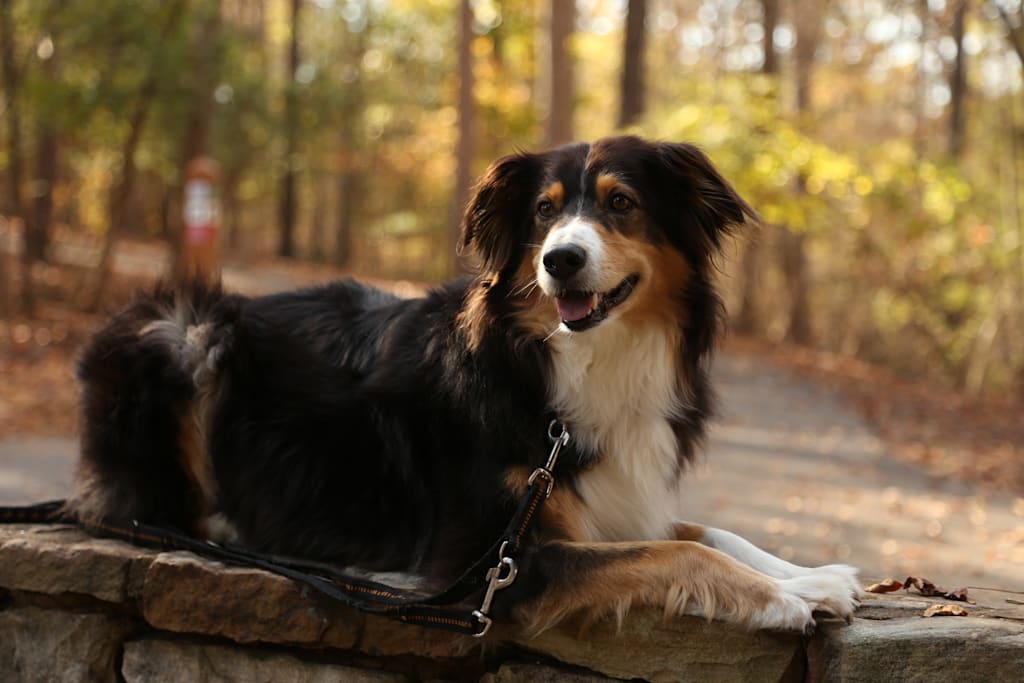
Your dog listens… until the treats are gone.
Then suddenly, nothing works.
This is where most dog owners get stuck with training with treats
--
The Real Problem Most People Run Into
You ask your dog to sit.
They look at you… and wait.
Not for the command.
For the treat.
Out on a walk? Even worse.
Now they’re ignoring you completely.
It feels like your dog only listens when food is involved—and that’s frustrating.
--
Why Training with Treats Works (and Why It Fails)
Dogs repeat what works for them.
If sitting gets them a reward, they’ll sit again.
Simple.
But here’s where things go wrong:
When the treat comes before the behavior, your dog learns to wait for the food—not listen to you.
That’s not training.
That’s negotiating.
Training with treats only works when your dog learns:
“I listen first → then I get rewarded.”
--
Training with Treats vs. Bribing
This is the most important shift.
Bribing
You show the treat → your dog listens
Training
Your dog listens → then earns the treat
That order changes everything.
It’s the difference between a dog that listens sometimes… and a dog that listens anywhere.
--
What Your Dog Needs First
Before using training with treats outside, your dog needs a base.
Start inside your home.
Your dog should be able to:
- Respond to their name consistently
- Follow simple commands (sit, down, come)
- Stay engaged with you, even briefly
If this isn’t solid, outside training will fall apart fast.
--
How to Use Training with Treats (Step by Step)
Step 1: Use the Right Treats
Not all treats are equal.
Use:
- Small
- Soft
- High-value
Think tiny pieces of chicken, cheese, or soft training treats.
If your dog has to chew for 10 seconds, you lose momentum.
-
Step 2: Reward Immediately
Timing matters more than anything.
Reward within 1–2 seconds of the correct behavior.
This tells your dog exactly what worked.
Delay it—and they guess.
-
Step 3: Keep Training Short
5–10 minutes is enough.
Short sessions keep your dog focused and motivated.
Long sessions lead to boredom and sloppy responses.
-
Step 4: Build Distractions Slowly
Don’t jump from your living room to a busy park.
Progress like this:
- Inside
- Backyard
- Quiet street
- More distractions
If your dog stops listening, you moved too fast.
Go back, rebuild, then try again.
-
Step 5: Fade Treats the Right Way
This is where most people mess up.
Don’t remove treats suddenly.
Instead:
- Reward every 2–3 correct behaviors
- Mix in praise and real-life rewards
- Keep your dog guessing
Unpredictable rewards build stronger behavior.
--
What This Looks Like in Real Life
You ask your dog to sit during a walk.
They sit—even without seeing a treat.
You reward after.
Now your dog learns:
Listening works anywhere—not just in the kitchen.
That’s when training starts becoming real.
--
Common Mistakes with Training with Treats
Showing the Treat First
Creates dependency. Your dog waits instead of listening.
Rewarding Too Late
Your dog doesn’t connect the reward to the behavior.
Moving Too Fast
Skipping steps leads to failure outside.
Using Low-Value Treats
If the environment is more exciting, you lose.
--
Why Training with Treats Matters
Real life is full of distractions.
Dogs, people, noises, movement.
Training with treats—done correctly—teaches your dog to:
- Stay focused
- Make better choices
- Respond even under pressure
This is especially important for dogs that:
- Pull on leash
- Ignore commands outside
- Get distracted easily
--
Want to Go Deeper?
If your dog listens at home but struggles outside, read:
Why Your Dog Listens at Home but Not Outside
If your dog gets distracted easily, read:
Dog Distraction Training: Teach Your Dog to Focus Anywhere
The Result You’re Working Toward
A dog that listens without needing to see food first.
A dog that responds on walks, around distractions, and in real life.
That’s what training with treats is supposed to build.
--
Final Thought
Treats are not the problem.
How you use them is.
When training with treats is done correctly, your dog doesn’t become dependent.
They become reliable.
About the Creator
Pup's & Paws
Dog trainer, part-time treat dispenser, full-time translator of canine nonsense. I teach dogs manners and humans patience. Come for the tips, stay for the chaos.
Enjoyed the story? Support the Creator.
Subscribe for free to receive all their stories in your feed.
Comments
There are no comments for this story
Be the first to respond and start the conversation.