
Why Your Dog Ignores You Outside
Your dog isn’t ignoring you—they’re choosing everything else

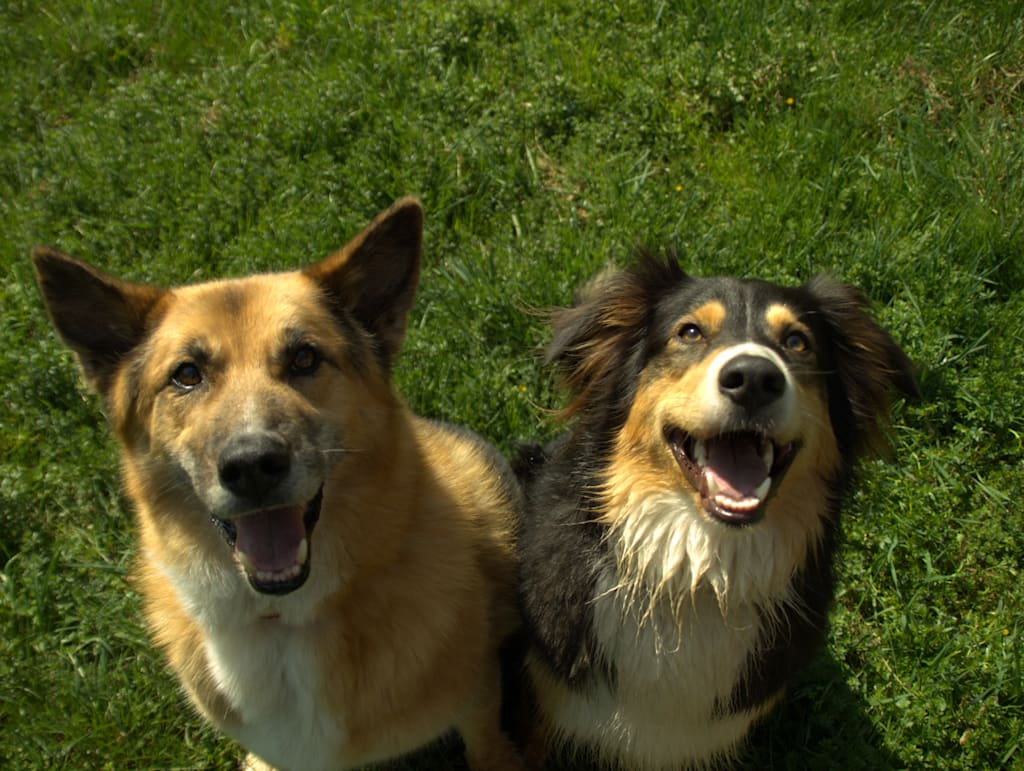
Your dog listens perfectly at home.
Then you step outside… and it’s like they forgot everything.
They pull. They stare. They ignore you.
This is where dog engagement training changes everything.
--
The Real Problem Most Owners Miss
At home, your dog looks great.
Commands work. Focus is easy.
But outside, your dog is pulled in every direction.
Smells. Sounds. Movement. Other dogs.
Your dog isn’t being difficult.
They’re just choosing what feels more important.
--
Why Dog Engagement Training Matters
Most dogs are trained in calm environments.
That means they learn to listen when nothing competes for their attention.
But real life is full of distractions.
So when you step outside, your dog’s brain shifts.
They stop focusing on you and start focusing on the environment.
Without dog engagement training, you’re always competing.
And you’ll lose that battle every time.
--
What Dog Engagement Training Actually Means
Dog engagement training means your dog chooses you.
Not because they have to—but because it’s a habit.
An engaged dog will:
- Check in with you during walks
- Respond quickly
- Stay mentally connected
- Choose you over distractions
That’s the difference between a dog that “knows commands” and a dog that actually listens outside.
--
What Your Dog Needs Before You Start
Before building dog engagement training outside, your foundation matters.
If this is unclear, your dog will fall apart with distractions.
Make sure your dog understands:
- Their name
- Clear reward timing
- Basic commands
- Consistent communication
If your dog struggles outside, this is usually where the issue starts.
--
Step-by-Step Dog Engagement Training
Step 1: Start Indoors
Begin in a quiet environment.
Say your dog’s name.
The moment they look at you—reward.
Keep it simple.
You’re teaching your dog that attention pays.
-
Step 2: Add Movement
Now start moving around.
Reward your dog for staying connected.
If they follow you or check in, mark and reward.
This builds active engagement—not just standing still and listening.
-
Step 3: Move Outside Slowly
Go to a low-distraction area.
Backyard. Quiet street. Empty space.
Expect your dog to struggle at first.
That’s normal.
Reward small moments of focus often.
-
Step 4: Reinforce Check-Ins on Walks
Don’t wait for your dog to mess up.
Start rewarding the behavior you want.
Every time your dog looks at you—mark it.
This builds a habit.
Your dog starts choosing to check in.
-
Step 5: Increase Distractions Gradually
Add more challenging environments slowly.
Parks. Busier streets. More movement.
If your dog starts ignoring you again, you moved too fast.
Go back a step and rebuild.
Progression creates reliability.
Not rushing.
--
Common Dog Engagement Training Mistakes
Using Treats as a Bribe
If your dog only listens when they see food, engagement isn’t built.
They’re just working when it’s obvious.
-
Moving Too Fast
Skipping steps leads to failure outside.
The problem isn’t your dog.
It’s the process.
-
Repeating Commands
Saying things over and over teaches your dog to ignore you.
Clear communication creates faster responses.
-
Ignoring Small Wins
Every check-in matters.
Every moment of focus builds engagement.
If you miss those, progress slows down.
--
What This Looks Like in Real Life
You’re walking your dog.
Instead of pulling, they glance up at you.
You reward.
They stay with you instead of scanning everything around them.
That’s engagement.
That’s control without force.
--
The Result of Dog Engagement Training
When your dog is engaged:
- Walks feel calm and controlled
- Commands work outside
- Distractions lose power
- Your dog starts choosing you
This is what real training looks like.
And once you build it, everything else becomes easier.
About the Creator
Pup's & Paws
Dog trainer, part-time treat dispenser, full-time translator of canine nonsense. I teach dogs manners and humans patience. Come for the tips, stay for the chaos.
Enjoyed the story? Support the Creator.
Subscribe for free to receive all their stories in your feed.
Comments
There are no comments for this story
Be the first to respond and start the conversation.