
Why More People Are Choosing Pet-Friendly Living Arrangements
Understanding the Shift Toward Housing That Supports a Pet-Inclusive Lifestyle
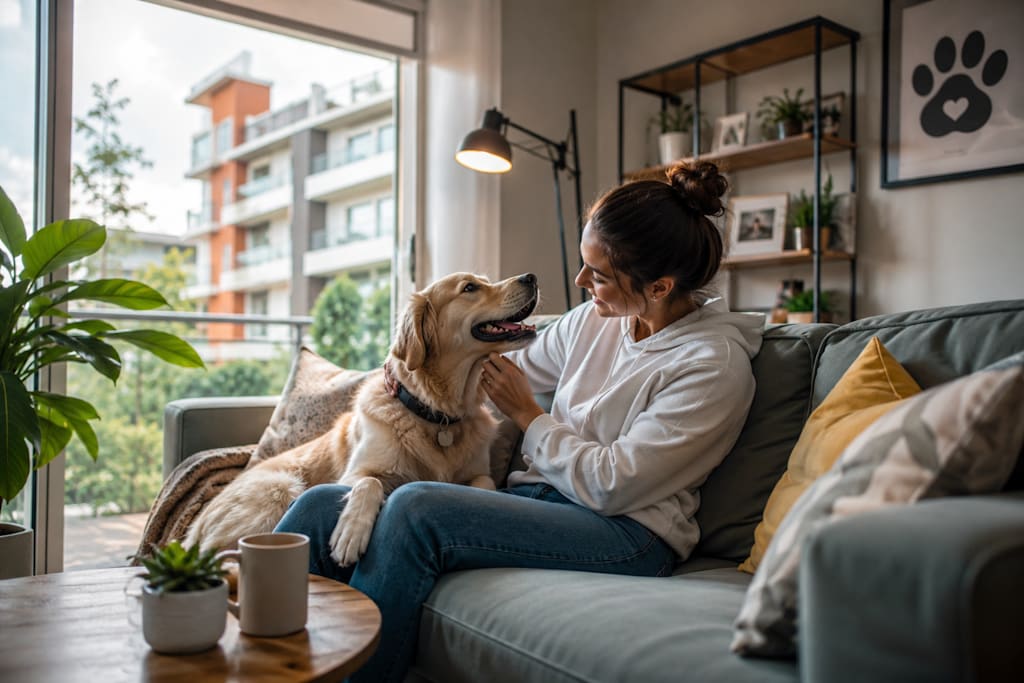
Finding the right place to live involves much more than choosing a convenient location or affordable rent. For many people, their pets are an important part of the family, and housing decisions often revolve around ensuring those companions are welcome. As a result, pet-friendly living arrangements have become increasingly popular across the country.
This growing trend is also encouraging more people to learn about options such as an ESA Letter Texas, which may help individuals who rely on emotional support animals navigate housing-related concerns. Beyond legal considerations, however, the rise of pet-friendly housing reflects a broader shift in how society views the relationship between people and their animals.
Today, pets are no longer seen as just household animals. They are companions, sources of comfort, and valued members of many families. This change in perspective is influencing the way people search for homes and communities.
Pets Have Become Part of the Family
One of the biggest reasons pet-friendly living arrangements are growing in popularity is the changing role of pets in modern households.
Many people consider their dogs, cats, and other animals to be family members. They celebrate birthdays, invest in quality healthcare, and make lifestyle choices that prioritize their pets' well-being. When searching for housing, pet owners often place pet-friendly policies at the top of their list.
Instead of viewing pets as an inconvenience, many property owners are recognizing that accommodating responsible pet owners can attract long-term tenants who care deeply about their living environment.
The Emotional Benefits of Living With Pets
Research and personal experiences alike suggest that pets can have a positive impact on emotional well-being. Many people find comfort in the companionship that animals provide.
Pets can help reduce feelings of loneliness, encourage daily routines, and offer unconditional support during difficult times. Whether it is a dog greeting its owner after a long day or a cat providing quiet companionship, these interactions can make a meaningful difference.
Because of these benefits, people are increasingly seeking living spaces where they can comfortably share their lives with their pets without restrictions or concerns about housing limitations.
The Rise of Remote Work
The growth of remote work has also contributed to the demand for pet-friendly housing.
When people spend more time at home, they naturally spend more time with their pets. Many remote workers appreciate the companionship that animals provide throughout the day.
Working from home has also encouraged some individuals to adopt pets for the first time. With more flexibility in their schedules, they are better able to care for animals and integrate them into their daily routines.
As a result, housing communities that welcome pets are becoming more attractive to remote workers who value both convenience and companionship.
Pet-Friendly Communities Offer More Amenities
Modern apartment complexes and residential communities are adapting to changing tenant preferences.
Many properties now offer amenities designed specifically for pet owners. These features may include:
- Dog parks
- Pet washing stations
- Walking trails
- Pet play areas
- Waste disposal stations
- Pet-focused community events
These amenities create a more enjoyable living experience for both pets and their owners. They also help foster a sense of community among residents who share a love for animals.
For many renters, these features can be a deciding factor when choosing between different housing options.
Health and Wellness Considerations
Living with pets often encourages healthier habits.
Dog owners, for example, frequently engage in regular walks and outdoor activities. This increased physical activity can support overall health and wellness.
Pets can also encourage consistency in daily routines. Feeding schedules, exercise needs, and regular care responsibilities help create structure, which many people find beneficial.
As awareness of wellness continues to grow, more individuals are seeking living environments that support both their personal needs and the needs of their pets.
Property Owners Are Adapting to Demand
The rental market has responded to the increasing number of pet owners seeking housing.
Many landlords and property management companies now recognize that pet-friendly policies can provide a competitive advantage. By welcoming pets, they can attract a larger pool of potential tenants.
Some property owners have adjusted their policies to accommodate responsible pet ownership while maintaining community standards. These measures may include pet deposits, breed guidelines, and behavioral expectations.
The goal is to create a balanced environment where both pet owners and non-pet owners can enjoy a comfortable living experience.
Stronger Social Connections
Pet-friendly communities often create opportunities for social interaction.
Dog owners frequently meet one another during walks, at dog parks, or during community events. These casual interactions can lead to friendships and stronger neighbourhood connections.
For individuals who are new to an area, pets can serve as natural conversation starters and help ease the transition into a new community.
This sense of belonging is one of the many reasons why people are increasingly drawn to pet-friendly living arrangements.
Greater Flexibility for Pet Owners
In the past, pet owners often faced limited housing choices. Many rental properties had strict no-pet policies that made finding suitable accommodations difficult.
Today, the housing landscape is changing. More communities are embracing flexible pet policies that allow residents to enjoy life with their animals.
This increased flexibility gives pet owners greater freedom when selecting a place to live. Instead of compromising on location, amenities, or budget, they can focus on finding a home that meets both their needs and the needs of their pets.
The Future of Pet-Friendly Housing
The popularity of pet-friendly living arrangements shows no signs of slowing down.
As more people recognize the value of companion animals, demand for welcoming housing options is expected to continue growing. Developers, property managers, and landlords are likely to invest further in pet-focused amenities and policies.
Future housing communities may place even greater emphasis on creating environments that support the well-being of both residents and their pets.
This shift reflects a broader cultural understanding that pets play an important role in many people's lives.
Conclusion
The growing popularity of pet-friendly living arrangements is driven by several factors, including changing attitudes toward pets, increased awareness of emotional well-being, remote work trends, and evolving housing preferences.
For many individuals, pets provide companionship, comfort, and a sense of stability that enhances everyday life. As a result, housing decisions are increasingly influenced by the desire to create a welcoming environment for these valued companions.
As communities continue to adapt to the needs of modern pet owners, pet-friendly housing is becoming more than just a convenience. It is becoming an essential feature of the lifestyle that many people want to build for themselves and their beloved animals.
About the Creator
Enjoyed the story? Support the Creator.
Subscribe for free to receive all their stories in your feed.
Comments
There are no comments for this story
Be the first to respond and start the conversation.