
Why Eco-Friendly Packaging Is Reshaping Modern Animal Healthcare
How durable and sustainable packaging solutions are helping veterinary brands protect medicines, build trust, and reduce environmental impact.
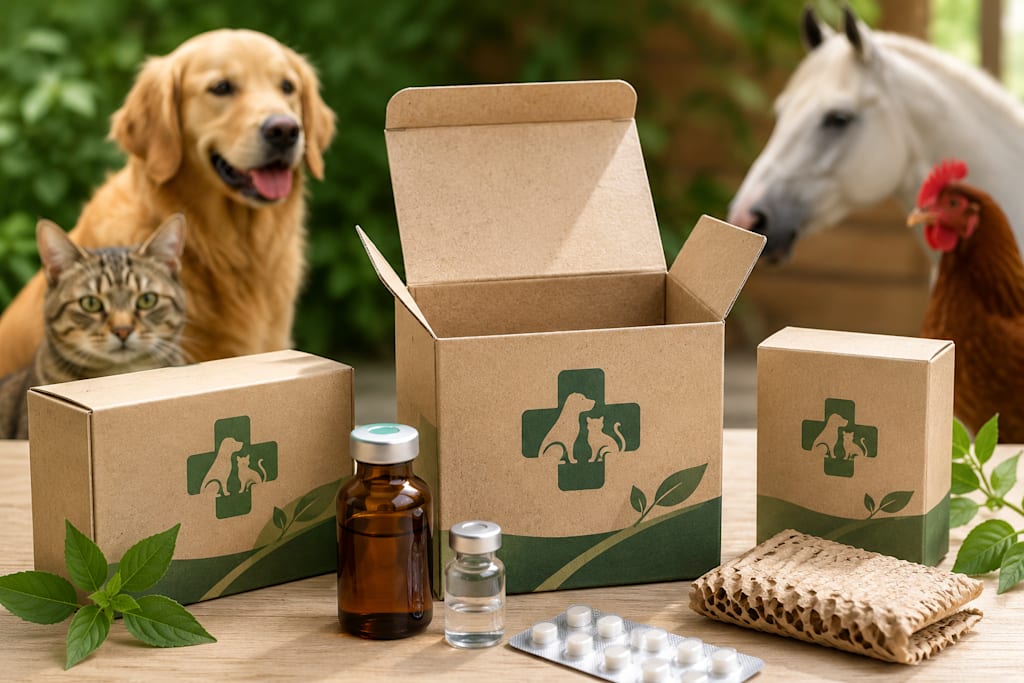
In today’s veterinary world, innovation is not limited to surgical tools or advanced treatments. One of the most important changes is happening quietly in the background — through smarter pharmaceutical packaging.
Veterinary clinics, pet care brands, and livestock medicine manufacturers are now paying close attention to how medications are packaged, transported, and disposed of. The reason is simple: packaging no longer serves only as a container. It has become a critical part of product safety, environmental responsibility, and customer trust.
As sustainability becomes a global priority, businesses are moving away from wasteful packaging materials and adopting solutions that are both durable and eco-conscious. This shift has significantly increased the demand for custom veterinary medicine boxes, which combine pharmaceutical-grade protection with environmentally responsible design.
Animal medications often travel through demanding supply chains before reaching clinics, farms, or pet owners. Exposure to moisture, sunlight, rough transportation, and fluctuating temperatures can damage medicines if the packaging is weak or poorly designed. Because of this, veterinary brands require packaging that offers maximum durability without creating unnecessary environmental waste.
Modern packaging manufacturers are solving this challenge with recyclable kraft materials, biodegradable fibers, and reinforced corrugated structures. These sustainable materials provide excellent protection while reducing landfill waste and plastic dependency. Many companies are also using soy-based and water-based inks, which help eliminate harmful chemical emissions during the printing process.
Durability remains equally important.
Veterinary medicines are frequently shipped across rural regions, agricultural facilities, and busy urban clinics where packaging may experience stacking pressure, impact damage, or humid storage conditions. Strong structural engineering ensures that eco-friendly packaging can still protect fragile vials, blister packs, and sterile pharmaceutical products throughout transportation.
Advanced protective coatings have also improved the performance of sustainable packaging. Water-resistant aqueous coatings, for example, help preserve medicines without relying on plastic laminations that are difficult to recycle. This balance between strength and sustainability proves that environmentally responsible packaging does not need to compromise quality.
Beyond protection, packaging now plays a major role in branding and customer confidence.
Pet owners and livestock managers pay attention to presentation. When treatments arrive in professionally designed, sturdy, and eco-conscious packaging, it reflects a higher standard of veterinary care. Clear printing on custom veterinary medicine boxes also improves communication by displaying dosage instructions, warning labels, expiration dates, and safety information in a clean and organized format.
This level of clarity is essential because it helps reduce medication errors and improves user confidence when administering treatments at home or on farms. Features such as child-resistant closures and easy-open designs also contribute to safer medication handling while improving accessibility for responsible users.
Environmental responsibility has become a major factor in consumer decision-making as well. Modern pet owners increasingly support businesses that demonstrate sustainable practices. Veterinary companies that adopt eco-friendly packaging solutions often strengthen customer loyalty because they show concern not only for animal health but also for the planet itself.
This industry-wide transition is creating ripple effects across the global supply chain. As demand for sustainable materials increases, packaging suppliers continue developing better biodegradable barriers, recyclable coatings, and plant-based protective technologies. Over time, these innovations are becoming more affordable, allowing even smaller veterinary clinics to access premium sustainable packaging options.
The movement toward eco-friendly veterinary packaging is more than a temporary trend. It represents a practical long-term strategy that benefits businesses, customers, animals, and the environment at the same time.
In the future, the brands that succeed will likely be the ones that understand a simple truth: protecting animal health should never come at the expense of protecting the world those animals live in.
About the Creator
Enjoyed the story? Support the Creator.
Subscribe for free to receive all their stories in your feed.
Comments
There are no comments for this story
Be the first to respond and start the conversation.