
Why Dog Treats Matter in a Dog’s Life
Read this blog to know - Why Dog Treats Matter in a Dog’s Life

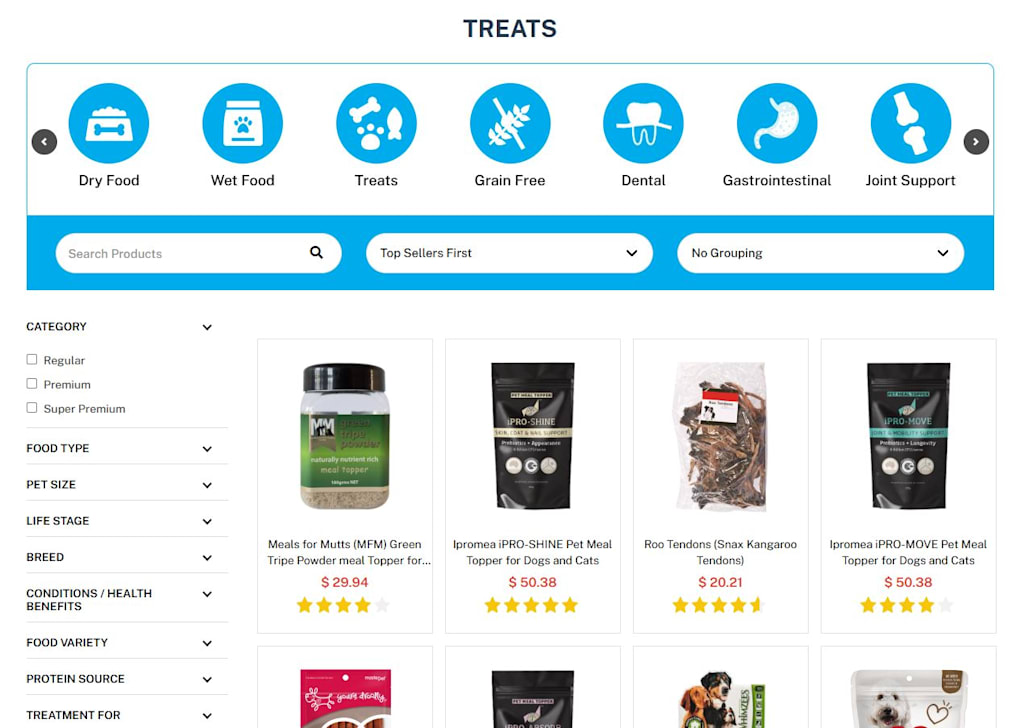
Why Dog Treats Matter in a Dog’s Life
Dog treats are much more than snacks hidden inside kitchen cabinets. For dogs, treats can become symbols of affection, excitement, and trust. Every time you reward your dog with a tasty chew or biscuit, you strengthen your connection with them. Dogs naturally respond to positive experiences, and treats help reinforce those moments in a simple but powerful way.
Emotional Benefits of Treats
Think about how excited dogs become when they hear the rustle of a treat bag. Their ears perk up, tails wag wildly, and their entire mood changes instantly. Treats stimulate happiness because dogs associate them with love, rewards, and positive interaction. It is similar to how humans feel comforted by their favorite dessert after a stressful day. That emotional satisfaction matters.
Treats can also reduce anxiety and boredom. Dogs left alone for long hours may feel restless or destructive. Interactive treats and chew snacks keep their minds busy and provide mental stimulation. Some dogs even develop calming routines around treat time, especially when treats are paired with training or play sessions.
Role of Treats in Positive Reinforcement
Positive reinforcement training relies heavily on treats because dogs learn quickly when rewards are involved. A small piece of chicken-flavored chew can motivate a dog to sit, stay, come, or walk calmly on a leash. Dogs repeat behaviors that earn rewards, making treats one of the most effective training tools available.
Professional trainers often say timing is everything. Rewarding a dog immediately after a good action helps them connect the behavior with the reward. This approach creates confident and happy dogs because they learn through encouragement rather than fear or punishment.
Different Types of Dog Treats
The pet market today offers an enormous variety of dog treats. Walking into a pet store can feel like stepping into a candy shop designed entirely for dogs. Understanding the different categories helps pet owners choose treats that match their dog’s age, size, health condition, and personality.
Crunchy Biscuits and Cookies
Crunchy treats are among the most popular choices because dogs enjoy their satisfying texture. These biscuits often help scrape plaque from teeth while chewing, supporting dental hygiene. Many brands now include ingredients like oats, pumpkin, chicken, or sweet potato for added nutritional value.
Crunchy treats are ideal for medium and large dogs that enjoy chewing. They also last longer than soft treats, which means dogs spend more time engaged and mentally stimulated. Some pet owners even use biscuit treats as bedtime rewards because they create a comforting daily routine.
Treat Type Benefits Best For
Crunchy Biscuits Dental support, long chewing time Adult dogs
Soft Chews Easy to eat, perfect for training Puppies and seniors
Dental Treats Fresh breath and plaque control Dogs with dental issues
Freeze-Dried Treats High protein and natural flavor Active dogs
Soft Chews and Training Treats
Soft treats are small, chewy, and easy to digest. Trainers love them because dogs can eat them quickly without losing focus during training sessions. Puppies and senior dogs especially benefit from softer treats because they are gentle on developing or aging teeth.
Training treats should ideally be tiny and low in calories. You may reward your dog dozens of times during a session, so keeping portion sizes small prevents overeating. Soft treats also come in highly attractive flavors like bacon, salmon, beef, and peanut butter, making them irresistible to most dogs.
Dental Treats
Dental health is one of the biggest concerns for dog owners. Poor oral hygiene can lead to bad breath, gum disease, and even heart problems in severe cases. Dental chews help reduce tartar buildup while satisfying a dog’s instinct to chew.
These treats are designed with special textures that clean teeth as dogs gnaw on them. Some also include ingredients that freshen breath or support gum health. Dogs often see dental treats as exciting chew toys, which makes oral care easier for owners.
Natural and Freeze-Dried Treats
Natural treats have become increasingly popular among health-conscious pet parents. Freeze-dried treats usually contain single ingredients like chicken liver, beef, or fish. Because they are minimally processed, they retain much of their original nutrition and flavor.
Dogs tend to go crazy for freeze-dried treats because the smell and taste are intense. These treats are excellent for picky eaters or dogs with food sensitivities. They are also high in protein, making them suitable for active dogs and training rewards.
How to Choose Healthy Dog Treats
Choosing dog treats should not feel like solving a complicated puzzle, but ingredient labels can sometimes make it confusing. The healthiest treats are usually simple, nutritious, and free from unnecessary fillers.
Ingredients to Look For
When selecting treats, high-quality protein should appear near the top of the ingredient list. Chicken, beef, salmon, lamb, turkey, and duck are excellent protein sources. Natural carbohydrates like sweet potatoes, oats, pumpkin, and brown rice are also beneficial.
Healthy fats such as omega-3 fatty acids support skin, coat, and brain health. Vitamins and antioxidants from fruits and vegetables can provide extra wellness benefits. Treats containing blueberries, carrots, spinach, or apples are often healthier choices.
Ingredients to Avoid
Some treats contain artificial preservatives, colors, and excessive sugar or salt. These ingredients may improve shelf life or appearance, but they add little nutritional value. Low-quality fillers like corn syrup and artificial flavoring should also be avoided whenever possible.
Pet owners should be especially careful with treats imported from unknown manufacturers. Safety and ingredient quality matter greatly because dogs can be sensitive to contaminated or poorly formulated products.
Nutritional Value of Dog Treats
Dog treats should complement a balanced diet rather than replace proper meals. Think of treats as bonuses rather than the main course. Healthy treats can actually improve a dog’s nutrition when chosen wisely.
Protein-Rich Treats
Protein supports muscle maintenance, energy, immune health, and overall body function. Active dogs especially benefit from protein-based treats because they help maintain lean muscle mass. Freeze-dried meat treats and jerky-style snacks are often rich in protein.
Dogs are naturally carnivorous, so protein-heavy treats usually appeal strongly to their instincts and taste preferences. Choosing protein-rich snacks also keeps dogs satisfied longer.
Low-Calorie Options
Obesity has become a growing issue among pets worldwide. Overfeeding treats can quickly add unwanted calories to a dog’s daily intake. Low-calorie treats help owners reward their pets without increasing the risk of weight gain.
Vegetable-based treats, air-popped snacks, and tiny training bites are good options for dogs prone to obesity. Moderation remains essential because even healthy treats can become unhealthy in excess.
Dog Treats for Puppies
Puppies experience the world through curiosity, chewing, and play. Treats help guide that energy into positive learning experiences. During puppyhood, treats become valuable tools for socialization, house training, and obedience.
Best Training Treats for Young Dogs
Puppy treats should be small, soft, and easy to digest. Young puppies have sensitive stomachs and developing teeth, so harsh or oversized treats may cause discomfort. Tiny soft chews are ideal for teaching commands because puppies can eat them quickly.
Puppies learn rapidly during their first year, and treats help reinforce desired behaviors. Whether teaching potty training or basic commands like “sit” and “stay,” consistent rewards create confident learners.
Treats also help puppies form positive associations with grooming, vet visits, and nail trimming. A puppy that receives rewards during these experiences grows into a calmer adult dog.
Treats for Adult and Senior Dogs
As dogs age, their nutritional and physical needs change. Adult dogs often require treats that support energy and dental health, while senior dogs may benefit from softer treats with joint-support ingredients.
Joint Support and Dental Care
Senior dogs commonly experience arthritis or reduced mobility. Joint-support treats containing glucosamine and chondroitin can help maintain comfort and flexibility. These ingredients support cartilage and reduce joint stress over time.
Dental treats remain important for older dogs because dental disease becomes more common with age. Softer dental chews designed for seniors can clean teeth without causing discomfort.
Older dogs may also become picky eaters, so flavorful treats encourage appetite and excitement during mealtime. Treats can bring joy and comfort to aging pets just as much as they do to puppies.
Homemade Dog Treat Recipes
Homemade dog treats allow owners to control ingredients and customize snacks according to their pet’s preferences. Many dogs absolutely love homemade goodies because they are fresh and flavorful.
Peanut Butter Biscuits
Peanut butter is a favorite flavor among dogs. Homemade peanut butter biscuits are simple to prepare using oats, whole wheat flour, eggs, and unsweetened peanut butter.
These treats are crunchy, delicious, and free from unnecessary preservatives. Just remember to avoid peanut butter containing xylitol, as it is toxic to dogs.
Frozen Fruit Snacks
Frozen treats are perfect during hot weather. Blending yogurt with blueberries, bananas, or watermelon creates refreshing summer snacks that dogs enjoy licking and chewing.
Frozen fruit treats also provide hydration and vitamins. Many pet owners use silicone molds to create fun shapes that make treat time even more exciting.
Using Treats for Training and Behavior
Training without treats can feel like trying to motivate a child without encouragement. Rewards make learning fun and engaging for dogs.
Reward-Based Training Techniques
Positive reinforcement works because dogs naturally seek rewarding experiences. Treats help shape behavior by marking correct actions instantly. Dogs trained through rewards often display greater confidence and enthusiasm.
The key is consistency. If your dog sits politely before meals and receives a reward every time, that behavior becomes a habit. Treats also work well for reducing fear and anxiety in stressful situations.
Professional trainers recommend pairing verbal praise with treats so dogs eventually respond to encouragement even without food rewards. Over time, treats become occasional bonuses rather than constant expectations.
Common Mistakes Pet Owners Make With Treats
Treats are wonderful, but mistakes can turn them into health risks instead of positive rewards.
Overfeeding and Obesity
One of the most common problems is excessive treat feeding. Dogs can gain weight surprisingly fast when treats are given frequently without adjusting meal portions. Obesity increases the risk of diabetes, heart disease, and joint problems.
Many owners unknowingly give multiple family members permission to hand out treats throughout the day. Suddenly, a dog consumes hundreds of extra calories without anyone realizing it.
Portion control is essential. Veterinarians generally recommend treats make up no more than 10% of a dog’s daily calorie intake. Small rewards can still create big excitement.
Best Ways to Store Dog Treats
Proper storage keeps treats fresh, safe, and flavorful. Exposure to air and moisture can reduce quality and encourage spoilage.
Dry treats should be stored in airtight containers away from heat and sunlight. Freeze-dried and natural treats may require refrigeration after opening depending on the packaging instructions.
Homemade treats typically have shorter shelf lives than commercial options. Refrigerating or freezing homemade snacks helps maintain freshness and prevent bacterial growth.
Dogs also have an incredible sense of smell. Storing treats securely prevents sneaky pets from helping themselves when no one is watching.
Conclusion
Dog treats are tiny packages of joy that strengthen the relationship between pets and their owners. They support training, emotional bonding, dental care, mental stimulation, and overall happiness when used correctly. From crunchy biscuits and soft chews to natural freeze-dried snacks and homemade goodies, the world of dog treats offers endless opportunities to make pets feel loved and rewarded.
The secret lies in balance and quality. Choosing nutritious treats with wholesome ingredients helps dogs stay healthy while still enjoying delicious rewards. Paying attention to portion sizes and individual needs ensures treats remain beneficial rather than harmful.
Every wagging tail during treat time is a reminder that happiness often comes from the smallest gestures. A simple reward can brighten a dog’s entire day, turning ordinary moments into memories filled with trust, excitement, and unconditional love.
FAQs
1. How many treats should I give my dog each day?
Treats should generally make up no more than 10% of your dog’s daily calorie intake. The exact amount depends on your dog’s size, age, activity level, and overall diet.
2. Are natural dog treats better than regular treats?
Natural treats are often healthier because they contain fewer artificial ingredients and preservatives. Single-ingredient treats are especially popular among health-conscious pet owners.
3. Can puppies eat adult dog treats?
Not always. Puppies need softer and smaller treats that are easy to chew and digest. Adult treats may be too hard or large for young puppies.
4. What treats are best for dogs with allergies?
Limited-ingredient treats or hypoallergenic options made with novel proteins like duck or salmon are often suitable for dogs with allergies. Consulting a veterinarian is always a smart idea.
5. Can dog treats replace meals?
No. Treats should only supplement a balanced diet. Dogs need complete and balanced meals to receive all essential nutrients for long-term health.
About the Creator
Thomas Muller
VetSupply is a leading online pet store in Australia with a comprehensive range of products that cater to all your pet care needs.
Enjoyed the story? Support the Creator.
Subscribe for free to receive all their stories in your feed.
Comments
There are no comments for this story
Be the first to respond and start the conversation.