
What Kind of Dog Is Scooby-Doo?
Unraveling the Mystery of Scooby-Doo's Breed

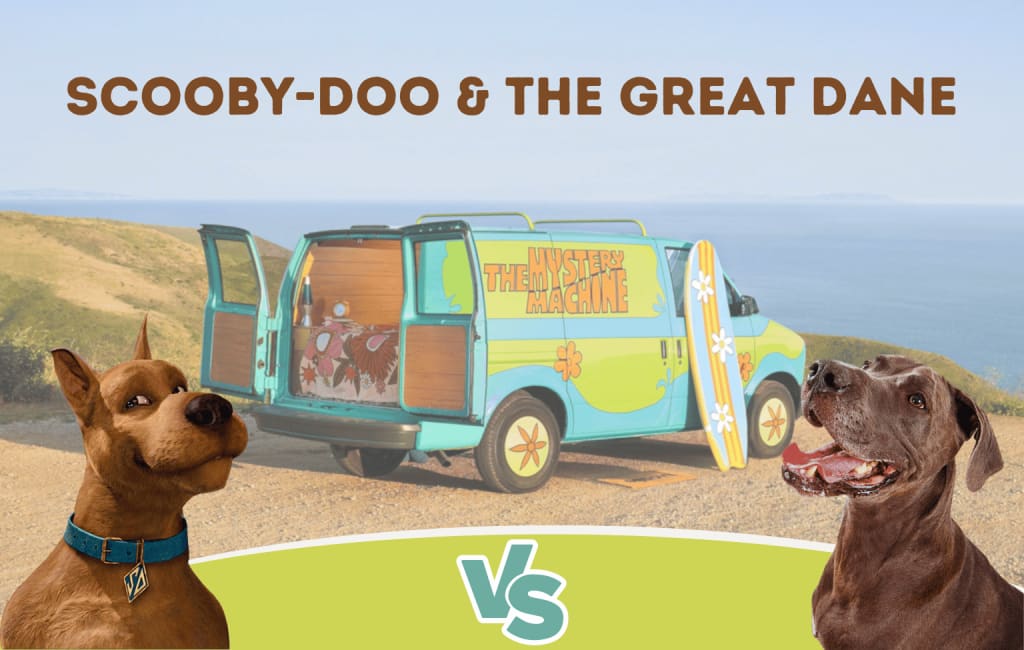
Scooby-Doo, the iconic cartoon canine, has captivated audiences for decades with his goofy antics, fear of ghosts, and insatiable appetite. While his exact breed has often been a subject of debate, it's clear that he's inspired by the majestic Great Dane.
The Great Dane Connection
Scooby-Doo's creator, Iwaho Takamoto, drew inspiration from sketches of Great Danes created by a co-worker who bred the breed. The Great Dane's imposing stature, gentle demeanor, and distinctive appearance provided the perfect foundation for the lovable but cowardly character.
Key Similarities
- Size and Appearance: Scooby-Doo's towering height, large frame, and distinctive coat color closely resemble the Great Dane. Both breeds are known for their impressive size and striking appearance.
- Gentle Temperament: Great Danes are renowned for their gentle and friendly nature. While Scooby-Doo's fear of ghosts might not be typical of the breed, his overall personality aligns with the Great Dane's reputation for being good-natured and loyal.
- Love of Food: Both Scooby-Doo and Great Danes have a well-deserved reputation for their voracious appetites. The breed's large size requires a significant amount of food to maintain its energy levels, a trait that is reflected in Scooby-Doo's constant snacking.
Key Differences
While Scooby-Doo shares many similarities with the Great Dane, there are some notable differences. The most obvious is Scooby-Doo's exaggerated fear of ghosts and other spooky creatures, a trait that is not typically associated with the breed. Additionally, Scooby-Doo's hunched back and elongated legs are unique features that distinguish him from his real-life counterparts.
The Cultural Impact
Scooby-Doo's popularity has extended far beyond the realm of cartoons. He has become a cultural icon, appearing in countless merchandise, video games, and movies. The Great Dane breed has also benefited from Scooby-Doo's fame, as more people have become aware of and interested in this majestic breed.
Beyond the Cartoon: The Real-Life Great Dane
Great Danes, often referred to as "gentle giants," are a popular breed known for their loyalty, intelligence, and affectionate nature. They are often used as therapy dogs and family companions due to their gentle temperament.
- Temperament: Great Danes are typically calm, patient, and gentle. They are known for their love of children and their protective instincts.
- Size: Great Danes are one of the largest dog breeds. Males can weigh up to 175 pounds (79 kg) and stand 30-32 inches (76-81 cm) tall at the shoulder. Females are slightly smaller.
- Health: Great Danes are prone to certain health conditions, such as heart disease, bloat, and bone cancer. Regular veterinary care is essential to ensure their well-being.
- Training: Great Danes are intelligent dogs but can be sensitive. Positive reinforcement training methods are recommended to avoid fear-based behaviors.
Conclusion
While Scooby-Doo is a fictional character, his connection to the Great Dane breed is undeniable. The breed's size, appearance, and gentle temperament provide the foundation for this beloved cartoon character. While Scooby-Doo's exaggerated fear of ghosts may not be typical of Great Danes, his overall personality and love of food align closely with the breed's characteristics.
If you're considering adding a Great Dane to your family, it's important to do your research to ensure that this breed is a good fit for your lifestyle. While they can make wonderful companions, they require a lot of love, attention, and exercise.
About the Creator
Alan William
BudgetPetCare is a trusted online seller of diverse pet care treatments with range of quality products handpicked from popular brands. We aim to facilitate affordable pet-parenting with lowest prices and Free Shipping in all orders.
Enjoyed the story? Support the Creator.
Subscribe for free to receive all their stories in your feed.
Comments
There are no comments for this story
Be the first to respond and start the conversation.