
What Are the Symptoms Of Ringworm in a Dog
Common Signs That May Help You Spot Ringworm Early in Dogs

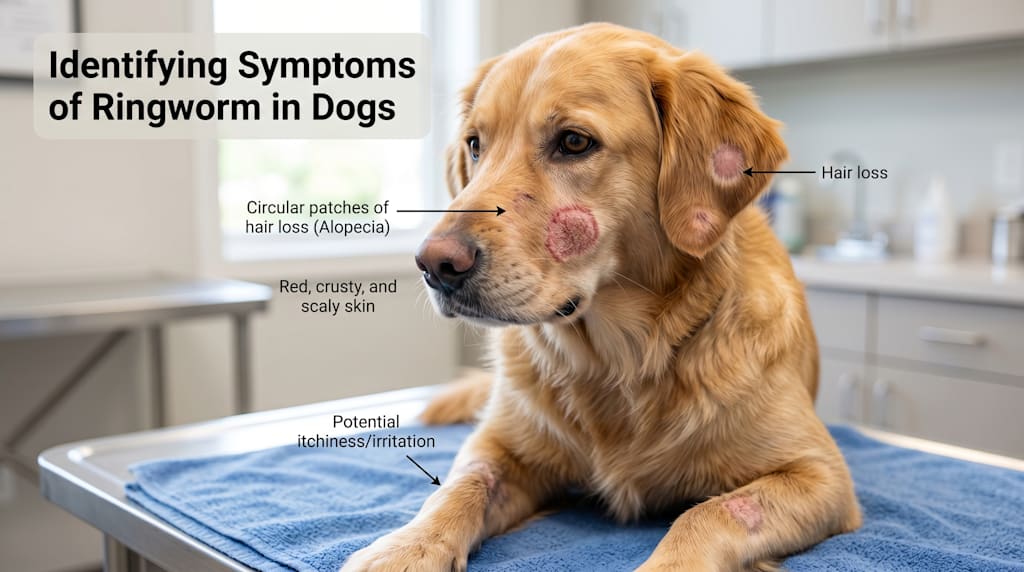
Ringworm is a common skin problem that affects dogs all around the world. Despite its name, ringworm is not caused by a worm at all. Instead, it is a fungal infection that spreads on the skin and fur of dogs. If your dog has ringworm, it is important to know what signs to look for so you can help your pet feel better quickly.
In this article, we will explain all the symptoms of ringworm in dogs in simple words that are easy to understand. We will also talk about what causes this problem and when you should take your dog to the veterinarian.
What Is Ringworm?
Before we talk about symptoms, let's first understand what ringworm actually is. Ringworm is a fungal infection that lives on the skin, fur, and nails of animals and humans. It got the name "ringworm" because it often appears as a red, circular ring on the skin. However, it is not a worm at all.
There are several types of fungi that can cause ringworm in dogs. The most common ones are called Microsporum and Trichophyton. These fungi love warm, moist areas and can spread from one animal to another very easily. Dogs can also get ringworm by touching contaminated objects like bedding, toys, or brushes.
Main Symptoms of Ringworm in Dogs
1. Hair Loss in Circular Patches
One of the most common signs of ringworm is hair loss in round or circular shapes. These patches usually start small and grow bigger over time. The hair loss often looks like perfect circles, and it might appear on your dog's face, ears, legs, or back. Sometimes the hair will fall out completely, leaving bare skin underneath.
The patches might appear suddenly, and you may notice hair coming out in clumps when you brush your dog. Some dog owners first notice the problem when they see hair on the floor or furniture that wasn't there before.
2. Red or Inflamed Skin
When your dog has ringworm, the skin underneath the missing hair often becomes red and irritated. The affected area might look swollen or angry. Some dogs develop a condition called erythema, which means the skin becomes inflamed and uncomfortable.
The skin might also become scaly or crusty. You may notice that the skin looks different from the normal, healthy skin on other parts of your dog's body. The redness can be mild or very noticeable depending on how serious the infection is.
3. Itching and Scratching
Many dogs with ringworm feel itchy and uncomfortable. If your dog starts scratching, licking, or biting at a certain area more than usual, this could be a sign of ringworm. Some dogs become so bothered by the itch that they scratch themselves raw, which can lead to more serious skin problems.
However, not all dogs with ringworm feel itchy. Some dogs show no itching at all, even though they have the infection. This is why it is important to watch for other symptoms besides just scratching.
4. Scaly or Crusty Skin
The affected areas often become dry, scaly, or crusty. The skin might feel rough and flaky to the touch. You may also see white or gray scales on your dog's skin or fur. These scales look like dandruff but are actually part of the fungal infection.
Some owners describe the texture as similar to sandpaper or see what looks like a white powder on the fur. This scaling can be an early sign of ringworm, sometimes appearing before the hair starts to fall out.
5. Brittle or Dull Fur
The fur in the affected areas often becomes weak and breaks easily. The hair might look dry, dull, and unhealthy compared to other parts of your dog's body. If you gently pull on the fur in a ringworm patch, it may come out with little resistance.
The infected hair can also appear discolored or grayish. This change in the appearance of the fur is often one of the first signs that something is wrong.
6. Nail Problems
Ringworm can also affect your dog's nails. The nails might become thick, brittle, or discolored. You may notice that the nail looks crumbly or that the surface is rough and uneven. Some dogs develop nail infections without having ringworm on their skin at all.
If your dog's nails are affected, they may become painful or uncomfortable. Your dog might limp or have trouble walking if the nail infection is severe.
7. Swelling Around the Eyes and Ears
Sometimes ringworm appears around a dog's face, especially around the eyes and ears. This area becomes red, swollen, and uncomfortable. Your dog might scratch at their face more than usual or avoid being touched on the head.
The swelling can make your dog look uncomfortable, and in some cases, it can affect their ability to see or hear properly if the infection gets serious.
Where Does Ringworm Usually Appear?
Ringworm can appear anywhere on your dog's body, but it most commonly shows up in certain areas:
- Face and head - especially around the nose, ears, and eyes
- Legs - on the front or back legs
- Tail - the ringworm patches can form along the tail
- Joints - areas like elbows and knees
- Paws - including between the toes
The areas where ringworm appears are often places where your dog experiences friction or where the fur rubs together.
When Symptoms Appear
It is important to know that ringworm does not appear overnight. After your dog comes into contact with the fungus, it can take one to three weeks before you see any symptoms. This waiting period is called the incubation period. During this time, the fungus is growing, but you cannot see any signs of the infection yet.
This is why you might not know exactly when your dog caught the ringworm. By the time you notice symptoms, your dog has probably had the infection for a few weeks already.
Different Dogs Show Different Symptoms
Not all dogs show the same symptoms of ringworm. Some dogs get very obvious signs like large patches of hair loss and red skin. Other dogs might only have small scaly areas that are easy to miss.
Some dogs are stronger fighters against the infection and may never show any symptoms at all. These dogs can still carry and spread the fungus to other animals, which is why they are sometimes called "carriers."
Puppies and older dogs often show more severe symptoms than young adult dogs. Dogs with weak immune systems or other health problems may also show worse signs of ringworm.
What to Do If You Think Your Dog Has Ringworm
If you notice any of the symptoms described in this article, you should contact your veterinarian as soon as possible. Do not wait and hope the problem goes away on its own. Ringworm will not go away without treatment, and it can spread to other pets and family members.
Your veterinarian can examine your dog and confirm whether it is ringworm or another skin problem. They might use a special light called a Wood's lamp to help find ringworm, or they might take samples to look at under a microscope.
Prevention Tips
While you cannot always prevent ringworm completely, you can reduce the chances of your dog catching it:
- Keep your dog clean and groomed regularly
- Wash your dog's bedding frequently in hot water
- Do not let your dog share toys, bowls, or brushes with other animals
- Keep your dog away from infected animals
- Maintain good hygiene by washing your hands after petting other animals
Conclusion
Ringworm is a common fungal infection in dogs that shows several clear symptoms. The most obvious signs include circular patches of hair loss, red irritated skin, scaly areas, and sometimes itching. However, remember that some dogs might not show any symptoms at all while still carrying the infection.
If you notice any signs that your dog might have ringworm, contact your veterinarian right away. Early treatment is much easier and faster than waiting for the infection to become more serious. With proper care and treatment from your vet, most dogs with ringworm recover well and go back to normal healthy lives.
By understanding these symptoms and knowing when to seek help, you can keep your beloved dog comfortable and healthy.
About the Creator
Enjoyed the story? Support the Creator.
Subscribe for free to receive all their stories in your feed.
Comments
There are no comments for this story
Be the first to respond and start the conversation.