
What Are the Requirements for an ESA Letter in Texas?
Learn the Key Requirements, Common Mistakes, and Important Steps for Obtaining an ESA Letter
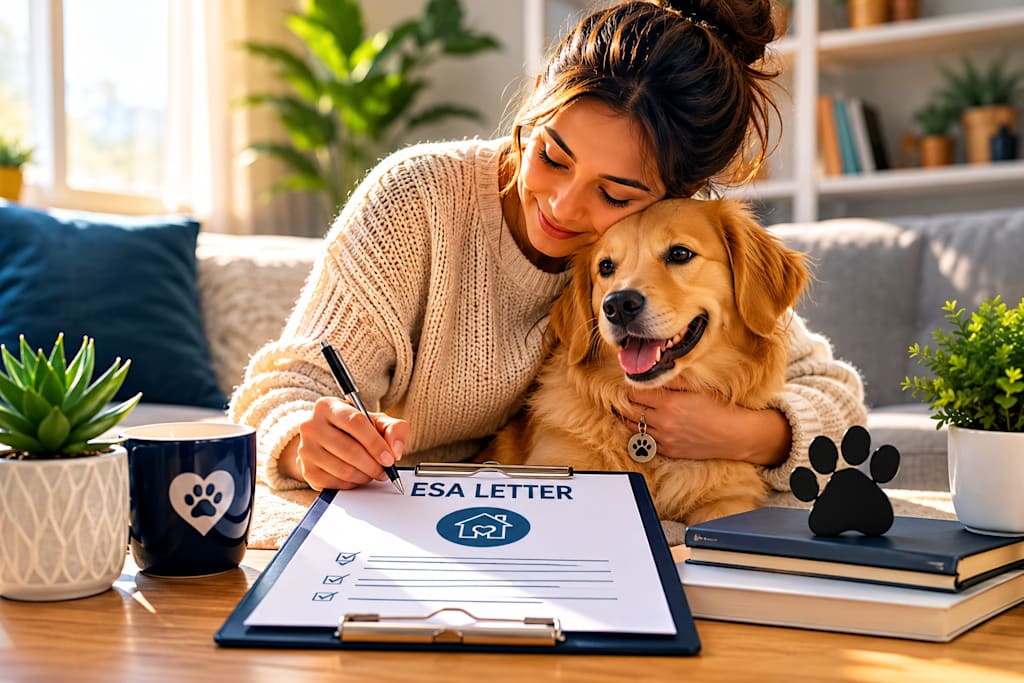
Emotional Support Animals have become an important source of comfort for many individuals dealing with emotional or psychological challenges. These animals provide companionship and support that can help improve daily life and overall well-being. As awareness continues to grow, many Texas residents are looking for information about the requirements involved in obtaining an ESA Letter Texas and understanding the process behind it.
While Emotional Support Animals are often confused with service animals, they serve a different purpose and are subject to different guidelines. Understanding the requirements for obtaining an ESA letter can help individuals make informed decisions and avoid common misconceptions.
Understanding What an ESA Letter Is
An ESA letter is a document issued by a licensed mental health professional stating that an individual has a mental or emotional condition and may benefit from the presence of an Emotional Support Animal.
The purpose of the letter is not to certify the animal itself. Instead, it confirms that the individual has a need for emotional support that may be provided through animal companionship.
This distinction is important because many people mistakenly believe that registering a pet online automatically qualifies it as an Emotional Support Animal. In reality, the evaluation of the individual's mental or emotional health is the key factor.
Who Can Qualify for an ESA Letter?
There is no single condition that automatically qualifies someone for an ESA letter. Mental health professionals evaluate each person's situation individually.
People seeking an ESA letter may experience challenges such as:
- Anxiety
- Depression
- Stress-related conditions
- Panic disorders
- Emotional trauma
- Mood disorders
- Other emotional or psychological difficulties
The primary consideration is whether the presence of an Emotional Support Animal may help alleviate symptoms associated with the individual's condition.
Every case is unique, and qualification is based on professional evaluation rather than self-diagnosis.
The Importance of a Licensed Mental Health Professional
One of the most important requirements for obtaining an ESA letter is an assessment conducted by a licensed mental health professional.
These professionals may include:
- Psychologists
- Psychiatrists
- Licensed Professional Counsellors
- Licensed Clinical Social Workers
- Other qualified mental health providers
The professional evaluates the individual's mental and emotional well-being and determines whether an Emotional Support Animal could be a beneficial part of their treatment or support plan.
A legitimate ESA letter should come from a qualified professional who is authorized to provide mental health services.
A Genuine Mental Health Evaluation
A proper evaluation is an essential part of the process.
During an assessment, the mental health professional may discuss:
- Current emotional challenges
- Mental health history
- Daily functioning
- Stress levels
- Emotional symptoms
- Existing treatment plans
The goal is to understand how the individual's condition affects their life and whether an Emotional Support Animal may provide meaningful support.
The evaluation helps ensure that ESA recommendations are based on genuine need rather than convenience.
Information Typically Included in an ESA Letter
Although formats may vary, legitimate ESA letters generally contain specific information.
This often includes:
Professional Credentials
The letter should identify the licensed mental health professional and include information about their qualifications.
Date of Issuance
The document should clearly state when it was issued.
Confirmation of Need
The letter should indicate that the individual has a mental or emotional condition and may benefit from an Emotional Support Animal.
Professional Signature
A valid signature from the licensed provider is typically included.
The letter focuses on the individual's need for support rather than providing extensive details about their diagnosis.
Why Online Registrations Are Not Enough
Many websites advertise pet registrations, certificates, identification cards, or badges. These items often create confusion among pet owners.
It is important to understand that registration databases do not replace a legitimate ESA letter from a licensed mental health professional.
A pet registration alone does not establish a person's need for an Emotional Support Animal. The determining factor is the professional recommendation based on an evaluation of the individual's mental health needs.
Because of this, individuals should carefully research providers and understand what documentation is actually required.
Common Misunderstandings About ESA Letters
Many misconceptions exist regarding Emotional Support Animals and ESA letters.
Any Pet Automatically Qualifies
Simply owning a pet does not automatically make it an Emotional Support Animal. Professional evaluation is required.
ESA Letters Can Be Purchased Without Evaluation
A legitimate ESA letter should involve a mental health assessment rather than a simple purchase.
Emotional Support Animals Are the Same as Service Animals
Service animals are trained to perform specific tasks for individuals with disabilities. Emotional Support Animals provide comfort through companionship and emotional presence.
Registration Is More Important Than Professional Documentation
The recommendation from a licensed mental health professional is the critical component of a legitimate ESA letter.
Understanding these distinctions can help individuals avoid misinformation.
How to Identify a Legitimate ESA Provider
Because interest in Emotional Support Animals has increased, many online services now offer ESA-related products and evaluations.
When researching providers, individuals should look for:
- Licensed mental health professionals
- Transparent evaluation processes
- Professional credentials
- Clear communication
- Real assessments rather than instant approvals
Legitimate providers focus on determining whether an Emotional Support Animal is appropriate for the individual rather than guaranteeing approval to every applicant.
Preparing for an ESA Evaluation
Individuals considering an ESA evaluation can benefit from preparing beforehand.
Helpful steps may include:
Reflect on Your Challenges
Consider how emotional or psychological difficulties affect your daily life.
Be Honest During the Assessment
Accurate information allows the professional to make an informed recommendation.
Gather Relevant Information
If you have previous mental health records or treatment history, it may be helpful to discuss them during the evaluation.
Ask Questions
Understanding the process can help reduce uncertainty and ensure you know what to expect.
Preparation can contribute to a more productive and meaningful evaluation experience.
Why Proper Documentation Matters
Proper documentation helps ensure that Emotional Support Animal recommendations are based on genuine need.
A legitimate ESA letter reflects a professional assessment and supports responsible use of Emotional Support Animal accommodations.
Accurate documentation also helps distinguish individuals with real emotional support needs from those attempting to misuse the system.
This protects the credibility of Emotional Support Animal programs and helps maintain trust in the process.
Final Thoughts
Understanding the requirements for an ESA letter in Texas begins with recognizing that the process is cantered on mental health evaluation rather than pet registration. A licensed mental health professional must assess the individual's emotional or psychological needs and determine whether an Emotional Support Animal may provide meaningful support.
By learning how ESA letters work, understanding the role of professional evaluations, and recognizing common misconceptions, individuals can make informed decisions and pursue the process responsibly. Taking the time to understand the requirements can help ensure that those who genuinely benefit from Emotional Support Animals receive appropriate support and documentation.
About the Creator
Enjoyed the story? Support the Creator.
Subscribe for free to receive all their stories in your feed.
Comments
There are no comments for this story
Be the first to respond and start the conversation.