
Understanding Cruciate Ligament Injuries in Active Dogs
A Complete Guide to Symptoms, Causes, Treatment Options, and Recovery for Athletic and Energetic Dogs

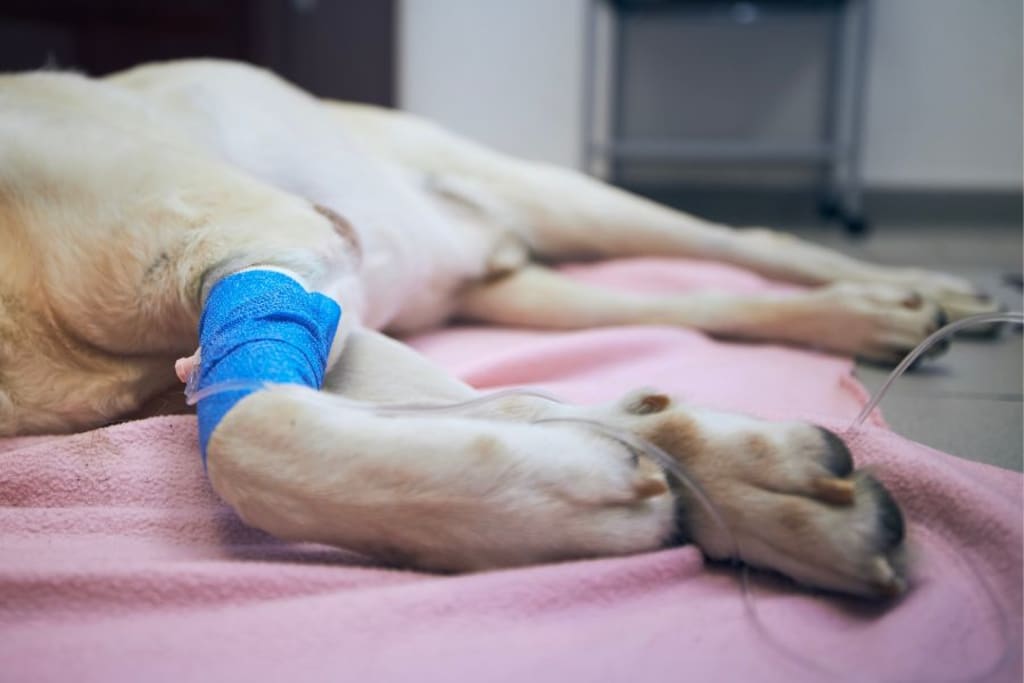
Active dogs love to run, jump, chase, and play. Whether it’s a Labrador sprinting after a tennis ball, an agility dog racing through obstacles, or a playful mixed breed enjoying the park, physical activity is essential for a dog’s health and happiness. However, with high activity levels comes a greater risk of injury — especially injuries involving the cruciate ligament.
Cruciate ligament injuries are among the most common orthopedic problems in dogs, particularly in active and athletic breeds. These injuries can significantly impact a dog’s mobility, comfort, and quality of life if left untreated.
Understanding what cruciate ligament injuries are, how they happen, and what treatment options are available can help pet owners take quick action and support their dog’s recovery.
What Is a Cruciate Ligament Injury?
The cruciate ligaments are strong bands of tissue located inside a dog’s knee joint, also called the stifle joint. Dogs have two cruciate ligaments — the cranial cruciate ligament (CCL) and the caudal cruciate ligament. The cranial cruciate ligament is the one most commonly injured and is similar to the ACL (anterior cruciate ligament) in humans.
The CCL stabilizes the knee joint and prevents excessive movement between the femur and tibia. When this ligament becomes partially torn or completely ruptured, the knee becomes unstable. This instability causes pain, inflammation, and difficulty walking.
In active dogs, the injury often develops gradually due to wear and tear, though sudden trauma during intense activity can also trigger a tear.
Why Active Dogs Are More at Risk
Dogs that frequently engage in running, jumping, twisting, or rapid directional changes place more stress on their joints. Athletic and energetic breeds such as Labrador Retrievers, Golden Retrievers, German Shepherds, Rottweilers, Border Collies, and Pit Bulls are particularly prone to cruciate ligament injuries.
Several factors increase the risk, including:
- High-impact activities
- Obesity or excess body weight
- Poor physical conditioning
- Aging and joint degeneration
- Genetic predisposition
- Previous knee injuries
Even highly fit dogs can suffer ligament injuries if repetitive stress weakens the ligament over time.
Common Signs of a Cruciate Ligament Injury
Recognizing the symptoms early can make a major difference in treatment outcomes. Some dogs show sudden and obvious signs, while others develop symptoms gradually.
Here are the most common warning signs:
Limping or Lameness
One of the earliest and most noticeable signs is limping on a back leg. Some dogs may suddenly hold the leg up after running or jumping.
Difficulty Standing or Sitting
Dogs with knee pain may struggle to rise from lying down or sit awkwardly with the affected leg extended.
Reduced Activity Levels
An active dog may suddenly lose interest in walks, playtime, or exercise due to discomfort.
Swelling Around the Knee
Inflammation in the knee joint may cause visible swelling or stiffness.
Clicking or Popping Sounds
Some dogs develop abnormal joint movement that creates clicking sounds while walking.
Muscle Loss
Over time, reduced use of the affected leg can cause muscle loss in the thigh area.
If these symptoms appear, a veterinary examination is essential.
How Veterinarians Diagnose the Injury
Diagnosing a cruciate ligament injury typically involves a physical examination and imaging tests. Veterinarians assess joint stability using specific movements, such as the “drawer test,” which checks for abnormal motion in the knee.
X-rays are commonly used to identify swelling, arthritis, or joint changes. In some cases, advanced imaging like MRI or arthroscopy may be recommended for a more detailed evaluation.
An accurate diagnosis helps determine the severity of the injury and the best treatment approach.
Treatment Options for Cruciate Ligament Injuries
Treatment depends on the dog’s size, activity level, age, and severity of the injury.
Conservative Management
For small dogs or mild partial tears, non-surgical treatment may be considered. This approach usually includes:
- Strict rest and reduced activity
- Anti-inflammatory medications
- Weight management
- Physical therapy
- Joint supplements
While conservative care can help some dogs, active or larger dogs often require surgery for long-term stability.
Surgical Treatment
Surgery is the most common treatment for complete cruciate ligament tears in active dogs. Several surgical procedures are available, including:
- TPLO (Tibial Plateau Leveling Osteotomy)
- TTA (Tibial Tuberosity Advancement)
- Extracapsular stabilization
These procedures aim to stabilize the knee joint and restore mobility. The best option depends on the dog’s size, lifestyle, and overall health.
Recovery and Rehabilitation
Recovery from a cruciate ligament injury takes time and patience. Most dogs require several weeks to months of restricted activity and rehabilitation.
Physical therapy often plays a key role in recovery. Controlled exercises, hydrotherapy, and strength-building activities can help restore muscle function and improve joint mobility.
Pet owners should carefully follow veterinary instructions during recovery to avoid reinjury.
Most dogs can return to an active and happy lifestyle after successful treatment, though some may develop arthritis later in life.
Can Cruciate Ligament Injuries Be Prevented?
While not every injury can be prevented, there are several ways to reduce the risk:
- Maintain a healthy body weight
- Provide regular low-impact exercise
- Avoid repetitive jumping on hard surfaces
- Build muscle strength gradually
- Use joint-support supplements when recommended by a veterinarian
- Warm up active dogs before intense exercise
Proper conditioning and weight control are especially important for athletic breeds.
Final Thoughts
Cruciate ligament injuries can be painful and life-changing for active dogs, but early diagnosis and proper treatment greatly improve recovery outcomes. Pet owners who understand the warning signs can seek veterinary care before the condition worsens.
Whether your dog enjoys hiking, agility training, or simply playing fetch every day, protecting their joint health is essential for a long, active life. With the right treatment plan, rehabilitation, and preventive care, many dogs recover successfully and return to the activities they love most.
About the Creator
Highlands-Eldorado Veterinary Hospital
Dominion Valley Animal Hospital is proud to serve the dogs and cats, and surrounding areas with expert, compassionate care. As a fully AAHA-accredited animal hospital near Haymarket, VA.
Enjoyed the story? Support the Creator.
Subscribe for free to receive all their stories in your feed.
Comments
There are no comments for this story
Be the first to respond and start the conversation.