
The Ultimate Puppy Crate Training Guide for New Dog Owners
Discover simple, positive training techniques to help your puppy feel safe, build healthy routines, and enjoy their crate as a cozy place to rest.

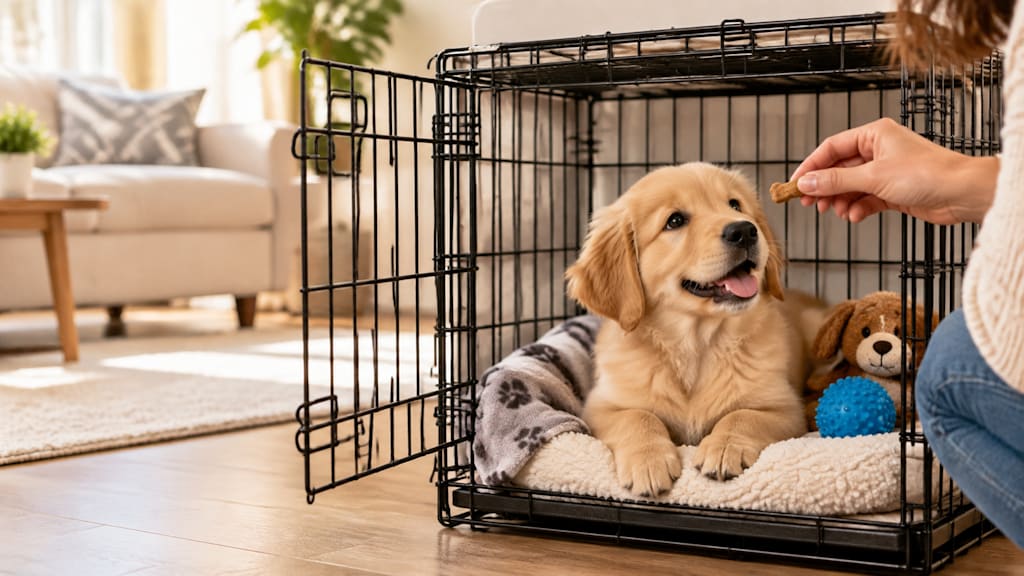
Bringing a new puppy home is an exciting experience, but helping them adjust to their new surroundings takes time, patience, and consistency. From learning where to sleep to developing good bathroom habits, puppies need gentle guidance as they grow. One of the most helpful skills new dog owners can introduce early is crate training.
Puppy Dog Crate Training is about much more than teaching a puppy to stay inside an enclosure. It helps create a familiar, comfortable space where your furry companion can relax, feel secure, and develop healthy habits. When introduced properly, a crate can support house training, prevent unwanted chewing, and make everyday routines easier for both puppies and their owners.
Why Crate Training Matters
A crate can become your puppy's personal resting space, much like a quiet corner where they can settle down whenever they need a break. Puppies experience plenty of new sights, sounds, and activities during their first months, so having a familiar place can help them feel more comfortable.
Crate training also supports house training and everyday safety. When appropriately sized and used for reasonable periods, a crate can help prevent unsupervised accidents and keep curious puppies away from household hazards.
Another benefit is preparation for situations such as traveling, veterinary visits, and temporary boarding. A puppy that already feels comfortable in a crate may find these experiences less unfamiliar.
However, the goal should always be comfort and confidence, not confinement for convenience.
Choose the Right Crate
Choosing a suitable crate is an important first step. Your puppy needs enough room to stand naturally, turn around, stretch, and lie down comfortably. A crate that feels too restrictive can make resting uncomfortable, while an excessively large space may make house training more challenging for some puppies.
If you have a growing puppy, consider purchasing a crate with an adjustable divider. This allows you to increase the available space as your dog grows without replacing the entire crate.
There are several options available, including wire crates, plastic travel crates, and soft-sided crates. Wire models provide ventilation and visibility, while plastic crates offer a more enclosed environment. Soft-sided options may suit calm, crate-trained puppies but are less appropriate for dogs that chew or scratch.
Whichever style you select, prioritize durability, ventilation, easy cleaning, and safety. Add washable bedding if your puppy does not chew or soil it, along with an appropriate safe toy. Remove collars and tags before crating to reduce the risk of snagging.
Introduce the Crate Slowly
One of the biggest mistakes new owners make is expecting their puppy to accept the crate immediately. Remember, your puppy is still adjusting to a new home, unfamiliar people, and a completely different environment.
Start by placing the crate in a comfortable area where family members spend time. Keep the door securely open and allow your puppy to investigate naturally. Avoid pushing, lifting, or forcing them inside.
You can make the experience more inviting by placing a few small treats or a favorite toy near the entrance. Once your puppy becomes curious, gradually move the treats farther inside.
When they begin entering voluntarily, reward them with gentle praise. After several successful experiences, try closing the door briefly while remaining nearby. Open it again before your puppy becomes uncomfortable.
Keep early training sessions short and positive. Some puppies become comfortable within a few days, while others need several weeks. Allow your puppy's confidence to determine the pace.
Make Positive Reinforcement a Habit
Positive reinforcement helps puppies understand that good experiences happen when they enter and relax inside their crate. Rather than relying on commands or physical guidance, encourage desirable behavior through rewards.
Whenever your puppy enters voluntarily, offer a small treat, praise, or a favorite toy. You can also introduce mealtime inside the crate to build another positive association.
Begin by placing the food bowl near the entrance. As your puppy becomes comfortable, gradually move it toward the back. Once they happily eat inside, you can occasionally close the door for a short period while staying nearby.
Avoid using the crate after scolding your puppy for chewing, barking, or having an accident. If the crate becomes associated with unpleasant experiences, your puppy may begin resisting it.
The idea is simple: your puppy should see the crate as a rewarding place to relax, not somewhere they are sent when they have done something wrong.
Establish a Daily Routine
Consistency makes crate training easier because puppies gradually learn what to expect throughout the day. A predictable routine also helps owners recognize bathroom needs and identify when their puppy is ready for rest.
Try incorporating crate time around everyday activities. For example, take your puppy outside after waking up, allow some supervised playtime, provide a meal, and then encourage a quiet nap in the crate.
Important bathroom opportunities include:
First thing in the morning.
Immediately after waking from a nap.
After eating or drinking.
Following energetic play.
Before bedtime.
At regular intervals throughout the day.
Watch your puppy's behavior closely. Sniffing the floor, circling, sudden restlessness, or whining may indicate that they need to go outside.
When your puppy eliminates in the correct place, reward them immediately with praise. If an accident happens inside the crate, clean it thoroughly with an enzymatic cleaner and review the bathroom schedule.
Accidents are part of puppy development, not a reason for punishment.
Understand How Long Puppies Can Stay Crated
Even when a puppy enjoys their crate, they should never be left inside for excessive periods. Young dogs have limited bladder control and need regular opportunities to move, explore, play, and interact with their families.
The appropriate duration depends on age, health, individual development, and whether the puppy is awake or sleeping. Very young puppies may need bathroom breaks every couple of hours or even more frequently.
Avoid relying on a single timing rule for every puppy. Instead, observe your dog's needs and gradually build comfortable crate time.
If you work outside the home, arrange for someone to provide bathroom breaks and companionship. A puppy-proofed playpen or another safe area may be more appropriate when longer periods of supervision are unavailable.
Remember, a crate is a resting space, not a replacement for exercise, attention, and social interaction.
Avoid Common Training Mistakes
Even caring and experienced pet owners can make mistakes during the early stages of crate training. Fortunately, most problems can be prevented with a little preparation.
Avoid forcing your puppy inside, increasing confinement time too quickly, or using the crate as punishment. These approaches can create negative associations and make future training more difficult.
Another common mistake is ignoring signs of genuine distress. Brief adjustment noises may occur, but persistent crying, frantic scratching, excessive panting, drooling, or attempts to escape should not be dismissed. Check whether your puppy needs a bathroom break or is experiencing fear. If distress continues, stop and seek advice from a veterinarian or qualified behavior professional.
Also, avoid skipping regular bathroom breaks or leaving unsafe toys and bedding inside the crate.
Patience, supervision, and consistency are far more effective than rushing the training process.
Make the Crate a Happy Place
A comfortable environment can make a noticeable difference in how your puppy responds to crate training. Keep the crate in a familiar location, provide appropriate bedding, and occasionally place a safe enrichment toy inside.
Allow your puppy to explore the crate freely when you are not using it for confinement. Leaving the door open helps them understand that entering the space is always a positive choice.
Celebrate small improvements, whether your puppy enters independently, settles down for a nap, or remains relaxed while the door is briefly closed.
For more practical pet care advice and helpful guidance, Paw Pampering is another resource worth exploring as you learn how to provide the best possible care for your companion.
Final Thoughts
Successful crate training does not happen overnight. It develops through positive experiences, predictable routines, and an understanding of your puppy's individual needs.
By choosing the right crate, introducing it gradually, rewarding good behavior, and providing regular breaks, you can help your puppy develop a healthy relationship with their personal space.
Whether you are just beginning or improving your existing routine, remember that Puppy Dog Crate Training should always be built around trust, comfort, and patience. With the right approach, your puppy can grow to see their crate as a familiar, cozy retreat where they feel safe and relaxed.
About the Creator
MUHAMMAD SHAFIE
Muhammad Shafie is a writer and blogger passionate about digital culture, tech, and storytelling. Through insightful articles and reflections, they explore the fusion of innovation and creativity in today’s ever-changing world.
Enjoyed the story? Support the Creator.
Subscribe for free to receive all their stories in your feed.
Comments
There are no comments for this story
Be the first to respond and start the conversation.