
The Midnight Zoomies: My furry Cheetah in Action
What are Zoomies?

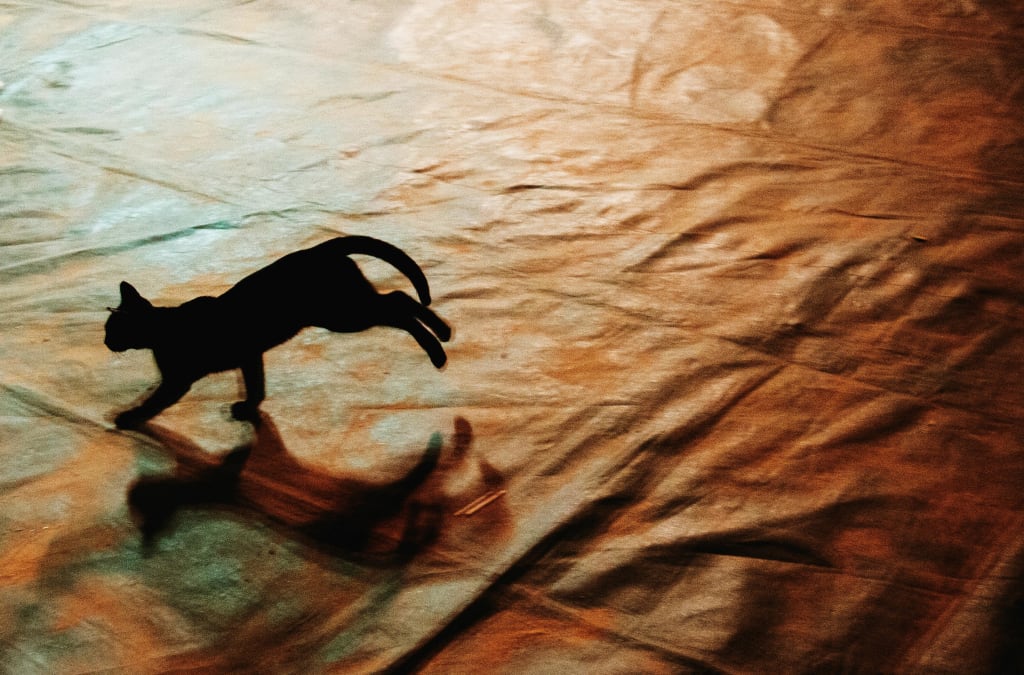
It was nearing midnight, and the house was calm and quiet—until it wasn’t. Out of nowhere, my cat Whiskers went from peacefully lounging on the windowsill to racing around the living room like his paws were on fire. In seconds, he transformed into a blur of fur, darting from one side of the house to the other, bouncing off furniture, and leaping in mid-air as if chasing an invisible foe.
This phenomenon, commonly known among cat owners as “the zoomies,” is a familiar sight. But what exactly causes it? Cats are natural-born hunters, with instincts hardwired into their DNA, even though many live pampered, indoor lives. These bursts of energy, often seen at dawn or late at night, mimic their wild ancestors' hunting behaviors. In the wild, cats are crepuscular, meaning they are most active during twilight hours when prey is abundant. Even though Whiskers doesn’t need to hunt for his dinner, those instincts come alive in the quiet of the night.
Fun Fact: Cats can sprint up to 30 miles per hour for short distances, making them incredibly fast for their size. That’s about the same speed as a wild cheetah, though our domestic feline friends use that speed for less practical pursuits—like zooming from the kitchen to the living room in seconds.
But what’s even more fascinating is how their bodies are built for speed. Cats have a unique skeletal structure, with flexible spines that allow them to stretch their bodies as they run, giving them that graceful, long stride. Their powerful hind legs act like springs, propelling them forward, while their sharp, retractable claws help them grip surfaces and change direction quickly—even during those sudden zoomie sessions.
As I watched Whiskers zigzag through the hallway, I couldn’t help but smile. These seemingly random spurts of energy are not only normal but also healthy. They allow cats to burn off excess energy, especially indoor cats who may not get as much physical activity as their outdoor counterparts. While Whiskers’ midnight marathon was interrupting my sleep, it was actually a good sign that he was happy, healthy, and getting his exercise in.
Fact: Cats spend up to 16 hours a day sleeping, but when they’re awake, they can switch from being totally relaxed to hyperactive in a matter of seconds. Their ability to sleep for long stretches and then suddenly burst into action is a survival trait passed down from their wild relatives.
As Whiskers finally slowed down and came to a stop, he casually licked his paw, acting as if nothing unusual had just happened. That’s another classic cat behavior—nonchalance. Cats are masters of acting cool, even after they've been tearing through the house like their lives depend on it.
By the time I crawled back into bed, Whiskers had curled up beside me, purring softly as if he hadn’t just run a mini marathon. He might have the heart of a wild cheetah, but in moments like this, he’s just my cuddly, quirky companion.
Fact: A cat’s purr can range between 25 and 150 Hertz, a frequency known to promote healing and reduce stress in both cats and humans. That’s why having a cat curled up next to you, purring, can feel so comforting.
Life with a cat is full of surprises, from late-night zoomies to moments of quiet comfort. It’s those little quirks that make cats so unique, always keeping us on our toes—or, in my case, awake past midnight!
About the Creator
Purrfect Cat
I'm Purrfect Cat, a feline lover sharing tips, stories, and cute moments about our furry friends. Follow for pawsome cat content that celebrates the joy of being a cat parent!
Enjoyed the story? Support the Creator.
Subscribe for free to receive all their stories in your feed.
Comments
There are no comments for this story
Be the first to respond and start the conversation.