wild animals
Animals the way nature intended it; explore the world of wild animals and the controversies surrounding domestication and hunting of feral beasts.
100+ cool and catchy ladybug names. AI-Generated.
Welcome to the wonderful world of ladybugs! These small, colorful insects are loved for their bright appearance and cheerful look. If you have a pet ladybug or just want to name the ladybugs in your garden, giving them a fun name is a great way to celebrate these little creatures.
By Ankur kumar2 years ago in Petlife
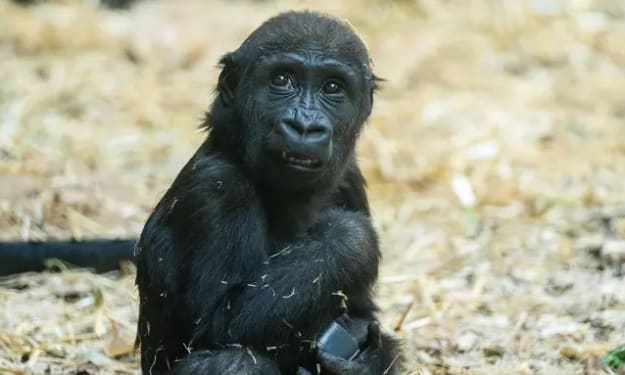
Gorilla at a Canadian zoo kicked the pail after worker incorrectly instituted wrong entrance
Human botch provoked the end of an energetic gorilla in Alberta, Canada, according to specialists at the Calgary Zoo.Eyare, a 2-year-old western bog gorilla, kicked the can last week resulting to being struck in the head by a water fueled entrance a staff part unintentionally sanctioned, the zoo said in a decree Wednesday. The expert was endeavoring to segregate Eyare from various people from the gorilla troop for an exhibition informative course. The gorilla passed on from awful head wounds, as demonstrated by the verbalization. "This mishap has struck us all in the most potential significant way," Colleen Baird, Calgary Zoo's head of animal consideration, said at a news meeting. "Eyare's short anyway huge life gave such a great deal of joy to our neighborhood, she will be significantly missed by all. We will do everything we possibly can for thwart future incidents."The staff part included was instantly taken out from the workplace and will be reassigned to another area of the zoo, Baird said. The zoo said it will execute preventive measures - including explicit staff getting ready and animal lead planning - to avoid another episode like this later on. It's not at whatever point an animal initially has passed on from some unique choice from customary causes at the zoo. In 2016, an otter choked following becoming tangled in an "unapproved" sets of pants a creature expert dropped in its alcove. A penguin passed on in "a peculiarity setback" when she swallowed a stick in 2013. Furthermore, in 2009, a capybara was in like manner unexpectedly crushed by a strain driven doorway. Animal Value, a Canadian not-for-benefit that advertisers for the sympathetic treatment of animals, required a free assessment concerning animal prosperity and oversight at the Alberta facility."The Calgary Zoo appears to have a higher speed of animal passings stood out from various zoos, and taking into account Eyare's death there should be a productive overview of the zoo's errands and practices, drove clearly by the public power or another outside party," said Camille Labchuk, the magnanimous' chief boss. CNN has associated for extra comment. The Calgary Zoo invalidated the explanation they have a higher speed of animal passings diverged from various zoos, seeing they stick to practical standards and have kept up with permit by the Relationship of Zoos and Aquariums' free Confirmation Reward starting around 1978. "We love and care for more than 4,000 animals tending to more than 100 species that call our zoo home," a delegate for the Calgary Zoo said in a clarification to CNN. "Animal passings achieved by human mix-up are remarkably fascinating. In the past 10 years, we have experienced two such setbacks — a North American stream otter in 2016 and 'Eyare' last week. While remarkable, even one human-caused mortality is an exorbitant sum. These shocking episodes have been used as essential learning open entryways, driving us to overview and to support shows to keep up with the best assumptions for care."The use of water controlled entrances is "typical practice with approve zoos," Baird said in the news meeting, but the workplace will examine advancing to elective ways of promoting foster security. The Calgary Zoo, which shipped off the protection affiliation the More wild Foundation in 2021, truly centers around more than 4,000 animals, including 6 other western marsh gorillas.
By Parmesh Patil2 years ago in Petlife
Cool Penguin Names for Your Feathered Friend Trending in 2025. AI-Generated.
Penguin Names: A Fun and Informative Guide Penguins are one of the most loved animals in the world. They are known for their adorable waddle, tuxedo-like feathers, and playful behavior. But did you know that penguins also have some interesting names? In this article, we will explore penguin names, how they are chosen, and some fun facts about them.
By Ankur kumar2 years ago in Petlife
Dinosaur Footprints in France: Unearthing the Past
Hidden within the picturesque Jura Mountains of France lies a remarkable discovery that takes us back over 150 million years. In 2009, paleontologists uncovered an extensive trackway of dinosaur footprints in this region. These fossilized tracks, attributed to sauropods, provide a fascinating glimpse into the lives of these colossal creatures and the environment they inhabited during the Jurassic period. In this blog post, we’ll delve into the significance of this discovery, what it tells us about sauropods, and how it sheds light on the prehistoric world. --- The Discovery of the Dinosaur Footprints The footprints were unearthed in the Jura Mountains, a region already renowned for its geological and paleontological significance. The name "Jurassic period" itself originates from these mountains, which hold layers of sedimentary rock from this ancient era. What makes this find exceptional is the sheer size and extent of the trackway. The site contains multiple sets of overlapping footprints, suggesting that several sauropods—giant, long-necked herbivorous dinosaurs—traversed the area together. These tracks span a considerable distance, providing crucial information about the movement and behavior of these prehistoric giants. --- What Are Trackways? Trackways are sequences of fossilized footprints left behind by animals as they moved across soft sediment, such as mud or sand. Over time, these tracks were preserved through natural processes, such as drying, hardening, and being buried under additional sediment layers. The trackway in the Jura Mountains is particularly significant because it does not represent the footprints of a single animal. Instead, it is evidence of a group of sauropods traveling together. As the animals moved, their footprints overlapped or filled the spaces between the front and back legs, creating a pattern that researchers have meticulously studied to understand their stride and gait. --- Understanding the Sauropods Sauropods were some of the largest land animals to ever walk the Earth. With long necks, massive bodies, and thick tails, they dominated the landscape during the Jurassic period. Famous sauropods include species like Brachiosaurus, Apatosaurus, and Diplodocus. The footprints found in the Jura Mountains are attributed to sauropods based on their distinctive shape and size. Sauropod footprints typically consist of two types: 1. Manus (Front Footprints): Smaller, crescent-shaped impressions left by the animal’s front feet. 2. Pes (Back Footprints): Larger, oval-shaped impressions left by the hind legs. The size of the footprints in the Jura trackway suggests these dinosaurs were enormous, with some individuals measuring up to 30 meters (98 feet) in length and weighing several tons. --- Behavioral Insights from the Trackway One of the most intriguing aspects of the Jura trackway is what it reveals about sauropod behavior. Evidence of Group Movement The overlapping footprints indicate that multiple sauropods traveled together, possibly as a herd. This suggests social behavior, as herding could provide protection against predators, improved foraging efficiency, and better care for younger individuals. Stride Patterns and Gait The arrangement of the footprints also provides clues about how these massive animals moved. Contrary to some early assumptions, the trackway shows that sauropods had a relatively smooth and coordinated gait. The overlapping tracks are not evidence of a single animal with a short stride, but rather of multiple animals walking closely in sync. Environmental Clues The sedimentary layers in which the footprints were preserved indicate that the area was a shallow, muddy plain during the Jurassic period. This type of environment would have been ideal for preserving tracks and may have been a common route for sauropods as they searched for food or migrated. --- The Importance of the Jura Footprints Discoveries like the Jura trackway are invaluable to science for several reasons: 1. Paleobiology: These footprints provide direct evidence of sauropod behavior, including their locomotion and potential social structures. 2. Geology: The surrounding sediment layers help reconstruct the ancient environment, shedding light on the climate and ecosystem of the Jurassic period. 3. Education and Tourism: Sites like this inspire public interest in dinosaurs and natural history, promoting conservation and scientific literacy. --- Preservation and Study Since their discovery, the footprints in the Jura Mountains have been carefully studied and preserved by paleontologists. Advanced techniques, such as 3D scanning and digital modeling, have allowed researchers to analyze the tracks in detail without causing damage to the site. Efforts have also been made to protect the trackway from erosion and other natural processes that could degrade these irreplaceable fossils. Such measures ensure that the site remains a valuable resource for future generations of scientists and enthusiasts. --- Conclusion: A Window into the Jurassic World The discovery of the dinosaur footprints in the Jura Mountains is a testament to the enduring legacy of the prehistoric world. These fossilized tracks offer more than just a glimpse into the past—they provide a tangible connection to creatures that roamed the Earth millions of years ago. For scientists, the Jura trackway is a treasure trove of information about sauropods, their behavior, and their environment. For the rest of us, it is a reminder of the incredible diversity of life that once thrived on our planet, sparking wonder and curiosity about the mysteries of Earth’s ancient history. As the Jura footprints continue to be studied and preserved, they will remain a symbol of our quest to understand the distant past and the awe-inspiring creatures that shaped it.
By Deji Akomolafe2 years ago in Petlife
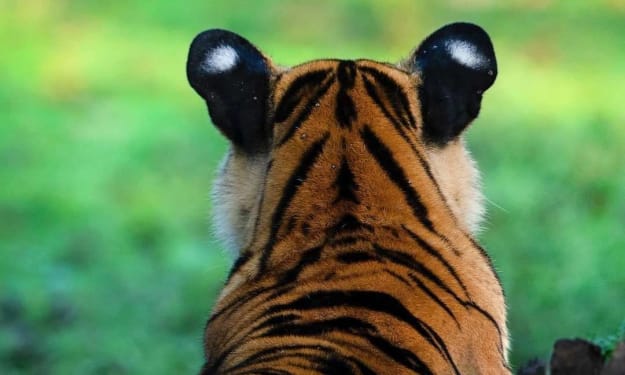
The False Eyes of Tigers: Nature’s Ingenious Defense Mechanism
In the world of big cats, the tiger stands out not only for its majestic beauty but also for its fascinating adaptations that have helped it become one of nature’s top predators. Among these adaptations, one of the most intriguing is a pair of unique markings on the backs of its ears, known as “false eyes.” These markings serve a purpose far beyond aesthetics, providing a form of defense that allows tigers to intimidate and deter potential threats. In this article, we’ll explore the science behind these “eyes,” why tigers evolved to have them, and how this adaptation plays a critical role in their survival. What Are False Eyes? False eyes, or “eyespots,” are a form of protective mimicry—a common adaptation found across the animal kingdom where an animal develops eye-like markings on various parts of its body. This feature is especially prominent in species that are vulnerable to attacks from behind, as it can create the illusion that the animal is constantly watching, even when it has its back turned. These markings can be seen in a variety of animals, including butterflies, frogs, birds, and fish. In the case of the tiger, false eyes appear as distinctive white or yellowish spots on the backs of their otherwise dark ears. Tigers are unique in the sense that, unlike many smaller prey animals, they are apex predators. Their only real threat in the wild comes from other tigers, territorial disputes, and perhaps human interactions. Yet, even as a top predator, they have evolved these false eyes as a mechanism for warding off possible threats, including other tigers or potential ambushes from behind. These spots act as a deterrent to anything that might consider approaching a tiger from the rear, creating an illusion that the tiger is aware of any movement around it. How Do False Eyes Help Tigers? Tigers are primarily solitary animals, spending most of their time alone while patrolling vast territories. During this time, they are susceptible to ambushes, especially when resting or distracted by prey. Young tigers and cubs, in particular, are vulnerable when moving through their habitat, as they lack the size and experience to fully protect themselves. False eyes serve as a psychological shield, signaling to would-be attackers that the tiger is aware of their presence and ready to defend itself if necessary. For other animals, the presence of these false eyes can create a sense of uncertainty. Even a brief moment of hesitation could be enough to give the tiger the advantage it needs to react or escape. The false eyes act as a subtle reminder to potential threats that they may be walking into a trap themselves. In addition to deterring threats, the false eyes may also play a role in communication within tiger populations. Adult tigers can sometimes become aggressive with each other, particularly when their territories overlap or during mating season. The presence of these markings may serve as a non-verbal cue, signaling strength and readiness to other tigers. By maintaining these visual signals, tigers may be able to avoid direct confrontations that could lead to injury, preserving their energy for hunting and protecting their territory. The Evolutionary Origin of False Eyes in Tigers So why do tigers, apex predators with few natural enemies, need false eyes? Scientists speculate that the evolution of this feature may have been a defense against larger predators that shared habitats with ancient tigers. Tigers belong to the Panthera genus, which includes lions, leopards, and jaguars, all of which share similar ecosystems and, at times, overlap in territory. In times when competition was fierce, having a visual deterrent could have improved the tiger’s chances of survival. There is also a theory that these eyespots could have developed as a deterrent against territorial challenges. Since territorial fights can be life-threatening, the false eyes could serve as an evolutionary tool to avoid unnecessary conflicts and the associated risks of physical confrontations. This trait, once advantageous, was passed down through generations and has remained a part of the tiger’s appearance to this day. The Role of False Eyes in Tiger Conservation Understanding the behavior and adaptations of tigers is essential not only from a scientific perspective but also for conservation efforts. With fewer than 4,000 wild tigers left today, learning about the unique characteristics that aid their survival helps conservationists develop better strategies for protecting them. Recognizing how tigers use false eyes as a defense mechanism can give insights into their behavior, especially in regions where human expansion is encroaching on their natural habitats. Tiger conservation programs often focus on reducing human-tiger conflicts by educating communities on how to avoid encounters. A thorough understanding of tiger behavior, including their reliance on solitary movement and psychological deterrents, is essential for designing protective measures in both wild and human-dominated landscapes. Additionally, recognizing these unique features emphasizes the biological diversity within the animal kingdom and the importance of preserving it. When we protect tigers, we are also safeguarding the complex evolutionary history that led to these incredible adaptations. Efforts to maintain and restore their natural habitats allow tigers to continue using their evolved traits in environments where they have the best chances of survival. False Eyes as a Symbol of Nature’s Ingenuity The false eyes of tigers highlight the adaptive ingenuity of nature, where even the mightiest of creatures incorporate subtle features to maintain their dominance and survival. This adaptation serves as a reminder that evolution is a continuous process, where each characteristic—no matter how seemingly insignificant—serves a purpose that enhances the animal’s ability to thrive in its environment. For wildlife enthusiasts, false eyes add another layer of fascination to an already mysterious and beautiful predator. Observing these eyespots while witnessing a tiger move through its natural habitat offers a glimpse into the complex web of survival strategies employed by wild animals. While they might seem like a small detail, these false eyes play a profound role in shaping the behavior of one of Earth’s most magnificent predators. As we continue to learn more about tigers and their adaptations, false eyes stand as a reminder of the delicate balance between predator and prey, vulnerability and strength. This unique feature is not only a testament to the power and grace of the tiger but also a symbol of resilience and survival in the wild, where every adaptation has the potential to make the difference between life and death.
By Deji Akomolafe2 years ago in Petlife
4 basic knowledge about cat!
As you can see this blog is going to be about cats. It is going to be a fun project for me because I love cats. So, if you also like cats like me or you are a cat mother or father or you are thinking of adopting a cat then you should read this blog till the end.
By Sadika Islam 2 years ago in Petlife