humanity
Isn't it ironic that the very best of humanity is seen through the love and empathy we show to our pets?
The Dance of Night Stars: The Enchanting World of Fireflies
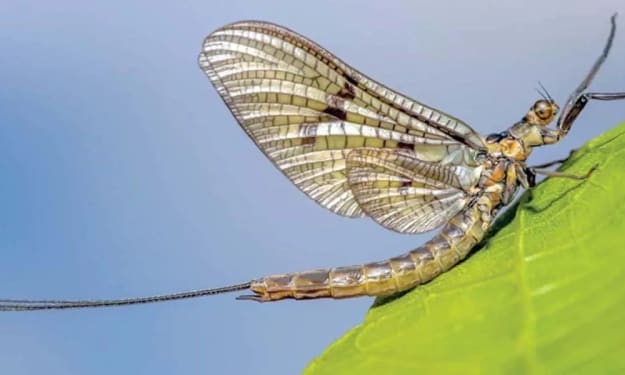
The Dance of Night Stars: The Enchanting World of Fireflies When the darkness of night settles and calms everything around, a miraculous stirring appears in the heart of nature. On the leaves of trees, in the bushes, and across open fields, tiny specks of light float. This dance of light reminds us of the fairytale world of our childhood, where stars descend close to the earth. Yes, I am talking about fireflies – the smallest group of stars in the night sky, who create an enchanting environment with their own light. Fireflies are not actually flies; they belong to the Lampyridae family, a type of beetle. Approximately 2,000 different species of fireflies are found worldwide, capable of producing light through special organs located on the underside of their abdomens. The mysterious world of this light has fascinated people for ages. The light show of fireflies is no ordinary event. Behind it lies a complex biochemical process. Their bodies contain a type of protein called luciferin and an enzyme called luciferase. The reaction of these two chemical substances in the presence of oxygen produces light. This light is usually yellow, green, or orange. Interestingly, the light produced by fireflies generates no heat, which completely distinguishes it from other artificial lights. But why this flashing light? The primary purpose of a firefly's light is to attract a mate. Male fireflies use various types of light signals to attract the attention of female fireflies. Each species of male firefly has its own characteristic light flash – the intensity, duration, and interval of the light are different. Female fireflies can recognize the light signals of suitable male partners and respond with their own light flashes. It's like a silent conversation in the darkness of night, a love letter written in the language of light. Besides attracting mates, fireflies also use their light for self-defense. The larvae of some firefly species secrete bitter-tasting chemicals that make them unappetizing to predators. This bitter taste persists in adult fireflies as well. It is believed that their bright light serves as a warning signal to predators – "Don't eat me, I'm poisonous!" Fireflies are found in various parts of the world, but they prefer warm and humid environments. Since Bangladesh is a tropical country, different species of fireflies are also found here. During the monsoon season, the night sky of rural Bengal twinkles with the light of fireflies, creating a breathtaking scene. Beside paddy fields, around bamboo groves, and near ponds – wherever there is a little darkness and moisture, groups of fireflies illuminate the world with their light. The life cycle of a firefly is quite interesting. It takes a considerable amount of time to transform from egg to larva, larva to pupa, and pupa to a full-grown firefly. In the larval stage, they usually feed on small snails, earthworms, and other soft-bodied insects. Adult fireflies usually eat very little or not at all. Their main task is to reproduce. Fireflies also hold a special place in our culture. Poetry, songs, stories – the bright presence of fireflies is seen in various branches of literature. The flickering light of fireflies in the darkness of night has inspired many poets and writers to think anew, helping them to perceive the mystery of nature. In rural life, fireflies are like silent companions of the night, further beautifying the calm and serene form of nature. However, sadly, the number of fireflies is decreasing day by day due to the touch of modernity. Urbanization, deforestation, the use of pesticides, and light pollution – all these factors are disrupting the natural life cycle of fireflies. The glare of artificial lights in the night sky weakens the light signals of fireflies, consequently hindering their reproduction process. The use of pesticides directly destroys fireflies and their larvae. Fireflies not only enhance the beauty of nature, but they also play an important role in maintaining the balance of the environment. Their larvae eat harmful insects, protecting crops. Therefore, the conservation of fireflies is crucial for our environment. We can take some simple steps to protect fireflies. Firstly, we need to reduce light pollution. Unnecessary lights should be turned off at night. Secondly, the use of pesticides in agriculture should be reduced, and organic methods should be adopted. Protecting forests and planting new trees will help in conserving the habitats of fireflies. Above all, it is necessary to raise public awareness about the importance of fireflies so that people become more sensitive towards them. Come, let us witness the dance of fireflies in the darkness of night. These tiny artists of nature enchant us with their own light, reminding us of the immense beauty of nature. It is our responsibility to protect them so that future generations also get the opportunity to see this magical world of light. The flickering light of fireflies not only dispels the darkness of night but also gives birth to love and respect for nature in our hearts. May these tiny representatives of the night stars live forever, illuminating the silent courtyard of our nature.
By MD Mehedi Hasan fans of Alam Sir.about a year ago in Petlife
10 Common Reasons People Fail in Life
Success is a dream for everyone, but not everyone achieves it. Many people struggle their whole lives without reaching their goals. The reasons behind an unsuccessful life are not always external—often, the problem lies within. This essay explores ten common reasons that contribute to an unsuccessful life and how they can be avoided. --- 1. Lack of Clear Goals One of the main reasons for failure in life is not having clear goals. When a person does not know what they want to achieve, they tend to waste time and energy on unimportant things. Successful people set specific, measurable, and achievable goals that guide their actions every day. --- 2. Fear of Failure Fear is a natural emotion, but letting it control decisions can be harmful. Many people avoid taking risks or trying new things because they are afraid of failing. This fear stops them from learning, growing, and achieving success. Overcoming the fear of failure is essential for moving forward in life. --- 3. Poor Time Management Time is one of the most valuable resources in life. People who do not manage their time effectively often find themselves unprepared or rushed. Wasting time on social media, television, or unnecessary activities leads to missed opportunities. Successful individuals plan their time wisely and stick to their schedules. --- 4. Procrastination Procrastination means delaying tasks that need to be done. It is a major roadblock to success. People who keep postponing important work often find themselves stressed and unable to complete tasks on time. This habit reduces productivity and creates a cycle of failure. --- 5. Negative Thinking A negative mindset can destroy confidence and motivation. People who always focus on their weaknesses, mistakes, or limitations often feel hopeless. Negative thinking can lead to depression and low self-esteem. Successful individuals practice positive thinking and believe in their ability to overcome challenges. --- 6. Lack of Discipline Discipline is the ability to control one’s behavior and make consistent efforts towards a goal. Without discipline, even the most talented individuals fail to succeed. Waking up late, skipping work, or giving up easily are signs of poor discipline. Success requires daily effort, commitment, and self-control. --- 7. Avoiding Responsibility Blaming others for problems is a common trait among unsuccessful people. They refuse to take responsibility for their actions and always find excuses. In contrast, successful people accept their mistakes, learn from them, and take control of their future. Responsibility is a key step toward self-improvement. --- 8. Poor Communication Skills Communication is important in both personal and professional life. People who cannot express their ideas clearly or listen actively often face misunderstandings and missed opportunities. Good communication builds strong relationships and opens doors to success. Improving language, body language, and listening skills can make a big difference. --- 9. Surrounding with Negative People The people we spend time with influence our thoughts and behavior. If a person is always surrounded by negative, lazy, or jealous individuals, it affects their mindset. Negative company can drain motivation and lower ambition. Successful people choose friends and mentors who inspire and uplift them. --- 10. Giving Up Too Soon Finally, many people fail simply because they give up too soon. Success often comes after multiple failures, rejections, and disappointments. Those who quit at the first sign of difficulty never get to see the results of their efforts. Patience and perseverance are essential qualities for achieving long-term success. --- Conclusion An unsuccessful life is not a matter of fate or bad luck—it is often the result of repeated mistakes and poor habits. By identifying these ten reasons and working to overcome them, anyone can turn their life around. Success is not guaranteed, but with the right mindset, effort, and discipline, it becomes much more achievable. Every person has the potential to succeed; it only requires the courage to change and grow.
By Amir hamza Khanabout a year ago in Petlife