health
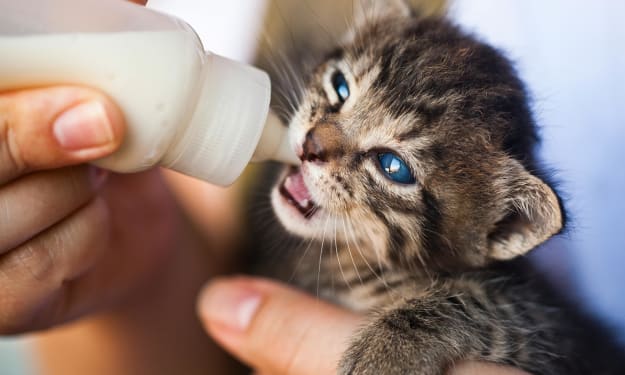
Playing is fun, but a pet owner's primary responsibility is to monitor their pet's health and look out for medical problems.
The Silent Wonder of Nature: A Giraffe’s Journey Through Pregnancy
The giraffe, the tallest land animal on Earth, is not only known for its long neck and elegant stride but also for its incredible and often overlooked reproductive journey. While their towering presence dominates the African savannah, the life of a pregnant giraffe is one of silent endurance, resilience, and natural brilliance. A Long and Silent Journey A giraffe's pregnancy lasts around 15 months (approximately 460 days), making it one of the longest gestation periods among land mammals. During this extended time, the female giraffe (cow) quietly endures the challenges of the wild—harsh weather, scarce food, and threats from predators—while carrying her unborn calf with remarkable strength. Despite her large size, the giraffe carries her calf gracefully, showing little sign of physical discomfort. Her tall frame and strong limbs are well-adapted to support a growing baby without needing long periods of rest. Why Giraffe Pregnancy is Unique The giraffe’s pregnancy stands out for several reasons: The female gives birth while standing, as lying down could be dangerous due to her body structure. The calf is born nearly 6 feet tall and can weigh around 100 pounds (45–50 kg). Within just an hour of birth, the baby giraffe can stand and walk, an essential survival trait in the wild. The Birth: A Fall into Life One of the most fascinating aspects of giraffe birth is the moment of delivery. Since the mother remains standing, the baby giraffe falls from a height of nearly 6 feet to the ground. While this may seem alarming, this fall plays a critical role in the calf’s survival—it helps rupture the amniotic sac, stimulates the baby’s breathing, and prepares it to face the world. This "drop" is nature’s clever way of kickstarting a new life in the wilderness. The First Few Hours: Survival Begins Immediately after birth, the mother giraffe attentively licks and nudges her calf to encourage it to stand up. Within minutes, the calf begins to wobble on its long, fragile legs and starts to walk. These early moments are crucial. In the wild, predators like lions, hyenas, and leopards often target vulnerable newborns. A baby giraffe must be quick to stand and follow its mother, who remains close and fiercely protective. A Mother’s Duty Giraffe mothers are incredibly protective. They remain alert and will often fight off predators using their powerful legs. A well-placed kick from a giraffe can seriously injure or even kill a lion. While the male giraffe (bull) has no role in raising the young, the mother takes full responsibility—nurturing, feeding, and teaching her calf to survive in the wild. Growth and Weaning In the first weeks, the calf relies solely on its mother’s milk. After a few months, it begins nibbling on leaves and gradually transitions to a plant-based diet. By 6 to 12 months, it is usually weaned, although some calves continue to nurse longer if allowed. The calf remains under the watchful eye of its mother for up to 18 months, learning essential survival skills such as identifying food, sensing danger, and navigating the savannah. Nature’s Quiet Miracle The giraffe’s reproductive process is one of nature’s most awe-inspiring yet lesser-known wonders. From a long gestation to a dramatic birth, every step reflects nature’s intelligent design. No medical intervention, no help—just instinct, adaptation, and the will to nurture life. Even with the risk of predators, lack of shelter, and environmental extremes, the giraffe mother endures everything alone. Her journey through pregnancy is a powerful reminder of how resilient and resourceful animals can be. --- Conclusion The life of a pregnant giraffe is not as loud or visible as its towering figure, but it’s a story of strength, sacrifice, and silent love. As the calf takes its first steps under the vast sky of the African plains, it carries forward not just its species, but the enduring spirit of its mother. It is truly one of nature’s most magnificent stories—quiet, but deeply profound.
By Sophia Graceabout a year ago in Petlife
How Emotional Support Animals Help Relieve Social Anxiety Symptoms
Social anxiety disorder (SAD) affects millions of people worldwide, making everyday interactions—like speaking in public, meeting new people, or even making eye contact—overwhelming and distressing. While traditional treatments such as therapy and medication are effective for many, an increasing number of individuals are finding relief through an unexpected but powerful source: Emotional Support Animals (ESAs). These animals offer comfort, reduce stress, and help ease the symptoms of social anxiety in a natural, non-invasive way.
By Nicholas Thomsonabout a year ago in Petlife
How Glenda's ESA Helped Her Through Med School
University life often promises growth, opportunity, and independence. But for many students, it's also a whirlwind of stress. From demanding coursework and tight deadlines to financial strain and social adjustment, college can take a serious toll on mental well-being. The Healthy Minds Study found that over 60% of college students met the criteria for at least one mental health issue during the 2020–21 academic year, and nearly 75% reported moderate to severe psychological distress. With such high numbers, it's no surprise that anxiety, depression, and burnout have become common across campuses.
By Theresa Cuneoabout a year ago in Petlife
The Ultimate Guide to Pet Care and Food: Keeping Your Furry Friends Healthy and Happy
Pets bring joy, companionship, and unconditional love into our lives. Whether you have a playful puppy, a curious kitten, a gentle rabbit, or even exotic pets, proper care and nutrition are the cornerstones of their health and happiness. As a responsible pet owner, understanding the essentials of pet care and food is crucial for ensuring your pet lives a long, vibrant life.
By JAWAD HUSSAINabout a year ago in Petlife
The day I thought I lost him forever.
It started like any other day. The sun peeked through the curtains, and Max—my three-year-old golden retriever—rested his wet nose against my cheek, his tail wagging the floor in a familiar rhythm. He was my alarm clock, my shadow, my best friend. But I never imagined that just a few hours later, I would be holding him in my arms and begging the universe not to take him from me.
By Echoes of Lifeabout a year ago in Petlife
How Do You Receive an ESA Letter in Kentucky Without Trouble?
To receive an Emotional Support Animal (ESA) letter in Kentucky without facing any legal or procedural issues, you must first undergo an evaluation by a licensed mental health professional (LMHP) who is authorized to practice in the state. This professional must determine that you have a qualifying mental or emotional condition, such as anxiety, depression, PTSD, or other similar disorders. If eligible, they can then issue an ESA letter written on official letterhead, including their license number, date, and signature.
By Nicholas Thomsonabout a year ago in Petlife
My Raccoon Life. AI-Generated.
Late one June morning, I stepped out into the warm Wisconsin sun to find an unusual sight: a tiny, hairless creature nestled beneath the mailbox, lifeless at first glance. As I leaned closer, my heart jolted—its faintly striped tail twitched. It was a newborn raccoon, eyes still closed, soundless but alive. I scooped the cold creature into my hands, brushing away crawling ants, and warmed it against my chest. It stopped struggling and relaxed into my palm. I named her Glory.
By Muhammad Saeedabout a year ago in Petlife
The Ultimate Guide to Choosing the Best Pet Foods in 2025
As pet owners, ensuring the health and happiness of our furry friends is a top priority. One of the most crucial aspects of pet care is choosing the right pet food. With a vast range of options available on the market, selecting the best food for your pet can be overwhelming. This guide will help you understand what to look for in high-quality pet foods and how to make informed decisions for your pet’s nutrition.
By JAWAD HUSSAINabout a year ago in Petlife
Pet Care: A Complete Guide to Keeping Your Furry Friends Happy and Healthy
Pets bring joy, companionship, and unconditional love into our lives. Whether you have a dog, cat, bird, rabbit, or any other animal, caring for them properly is essential to ensure they live a healthy and happy life. Pet care goes beyond just feeding and watering; it involves understanding their needs, providing regular health checkups, training, and creating a safe environment. This article covers the essential aspects of pet care to help you become a responsible and loving pet owner.
By JAWAD HUSSAINabout a year ago in Petlife
Genetic Health Testing
Every so often, I like to come back to the idea of genetic health testing. There's so much to talk about that I'm certain this won't be the last time. Health testing is a big deal in dog breeding. Before we had access to canine DNA, breeders were trying to improve breed health through hip x-rays and cardiac/stress testing, usually performed in a veterinarian's office and eye/vision and ear/hearing tests, often performed at dog shows. Careful pedigree analyses were made to prevent or at least reduce inbreeding. Conscientious breeders avoided pairing dogs with extreme body types or visible flaws. Pedigree research can still give us a better understanding of where certain traits were established and of what recessive genes might be lurking, undetected due to markers not yet being established for them, but understanding a dog's pedigree is now only part of being a responsible and ethical breeder.
By Kimberly J Eganabout a year ago in Petlife