dog
It's no coincidence that a dog is a man's best friend; they're more faithful than most other animals, and more faithful than many people.
The Last Run: A Dog’s Journey of Loyalty and Hope
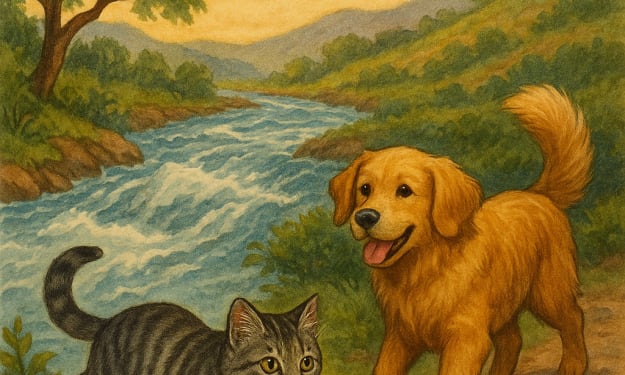
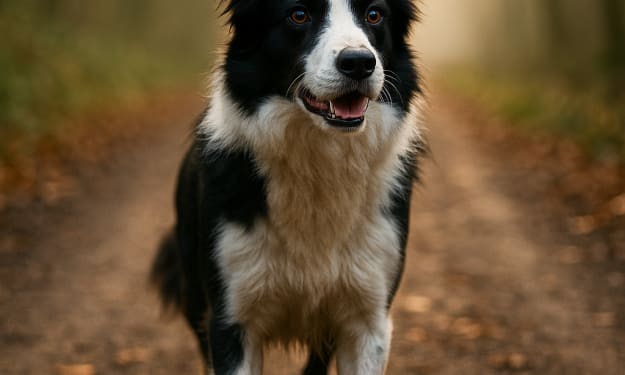
Chapter 1: Born to Run In a quiet town nestled between forested hills and winding rivers, a litter of Border Collie pups was born to a retired sheepdog named Lady. Among them was the smallest of the group, a black-and-white pup with bright amber eyes and an energy that seemed too big for his tiny frame. His name was Scout. From the beginning, Scout showed signs of being special—not because he was the strongest or the fastest, but because he never gave up. While other puppies rested, Scout explored. While others followed, Scout led. His heart outgrew his body every day, and so did his curiosity. --- Chapter 2: Chosen by Chance When he was just eight weeks old, Scout was adopted by an old man named Walter, a retired marathon runner who had lost both his wife and son in a tragic car accident. The old man rarely spoke and never smiled. But when he saw Scout, something inside him softened. “I don’t need a dog,” Walter told the woman at the shelter. “But I think he needs me.” From that day forward, Scout and Walter became inseparable. Walter didn’t believe in toys or treats; he believed in running. Every morning, rain or shine, Scout and Walter ran through town, through trails, across hills. To the townspeople, they became a symbol: the grieving man learning to heal, and the little dog with legs that never stopped moving. --- Chapter 3: The Storm Life settled into a rhythm. But as seasons changed, so did Walter. He grew slower. One morning, he collapsed while tying his shoes. The doctors diagnosed him with a heart condition. Running was out of the question. Scout didn’t understand. Every morning, he’d sit by the door, leash in mouth, waiting. But Walter never moved. Then, one cold morning, Walter passed away in his sleep. His body was found days later—Scout lying beside him, silent and unmoving. The town mourned. People came to pay respects. But no one wanted to adopt an old, grieving dog. Scout was taken to the town shelter, confused and alone. --- Chapter 4: The Escape Scout wasn’t meant for cages. One rainy night, he slipped through a loose fence and ran. No one knows how he found the trail, but two days later, hikers spotted a dog running along the old forest path where Walter used to take him. The same route. The same pace. Every morning. Some said it was instinct. Others said it was grief. But every day at dawn, Scout ran Walter’s route—six miles through woods, hills, and across the river bridge—then disappeared back into the trees. The story spread. Locals began calling him The Phantom Runner. Videos of the dog running the trail at sunrise went viral. A hashtag trended: #RunLikeScout. --- Chapter 5: A Town Rallies Moved by the story, the community decided to turn Walter’s favorite trail into “The Scout Loop.” Volunteers placed water stations, signs with quotes about loyalty and love, and benches named after Scout and Walter. Joggers began to follow him. Children waited with treats. Tourists came from far and wide, hoping to catch a glimpse of the famous dog. But Scout didn’t stop for anyone. He kept running. Every day. Every morning. As if Walter was still with him. --- Chapter 6: The Final Mile Two winters later, a blizzard hit the town. Roads were closed. Schools shut down. That morning, people assumed Scout wouldn’t run. But just as the sun peeked over the snowy hills, there he was. Alone. Tired. Covered in frost. He ran slower than before, limping slightly, his fur caked with snow. But he ran. Locals lined the trail, silently cheering him on, many with tears in their eyes. That evening, Scout didn’t return to the woods. He collapsed near the memorial bench that bore Walter’s name. A young runner picked him up gently and took him to the vet. The diagnosis: Scout’s heart was failing. Age had caught up. --- Chapter 7: Legacy in Motion Scout passed away that night, in warmth, surrounded by the very people who once left him alone in a shelter. His story didn’t end there. A statue of Scout now stands at the start of the trail, with the inscription: “Run with heart. Run with purpose.” Each year, the town holds The Scout Run—a 6-mile charity event supporting animal shelters and heart health awareness. Thousands attend, many with their own rescue dogs. Children grow up hearing the story of the little dog who ran every day for the man who once saved him. --- Final Thoughts: Why Scout’s Story Matters In a world where loyalty is rare and love often conditional, Scout reminds us that sometimes, the most powerful love is silent, persistent, and unwavering. His story isn’t just about a dog who ran—it’s about devotion, healing, and the trails we walk in memory of those we’ve lost. Scout never stopped believing. Even when left behind, he ran toward what he loved, not away from it. And in doing so, he taught a town—and the world—that some journeys are too meaningful to stop. ---
By Fazal Maula about a year ago in Petlife
Dogs: Man's Best Friend 🐕🦺
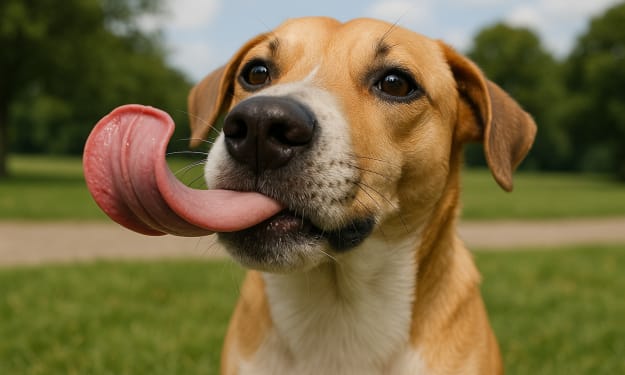
Dogs: Man's Best Friend A dog is not just a domestic animal; it has been a long-time companion and friend to humans. Their loyalty, love, and intelligence have captivated people for ages. It is believed that dogs evolved from wolves approximately 15,000 years ago. Since then, they have stood by humans in various tasks, including hunting, guarding, and companionship. Physical Structure and Characteristics: The physical structure of dogs can vary based on their breed and the type of work they do. Dogs come in various sizes, from the small Chihuahua to the large Great Dane. They have strong jaws, sharp teeth, and an extraordinary ability in hearing and sense of smell. A dog's coat can be short, medium, or long and comes in various colors and types. They have four legs, a tail, and two intelligent eyes that express their emotions and feelings. Different Breeds and Their Characteristics: There are over 400 different breeds of dogs in the world, and each breed has its own characteristics and temperament. Some popular breeds and their characteristics are mentioned below: * German Shepherd: This breed is famous for its intelligence, courage, and loyalty. They are generally very skilled in guarding, police work, and various types of training. * Labrador Retriever: This is an extremely friendly, patient, and sociable breed. They are very good with children and are also used as guide dogs. * Golden Retriever: Similar to Labradors, this breed is also very friendly and loves children. They have a lot of patience and a keen interest in learning. * Bulldog: This breed is known for its determined and calm nature. Their facial and physical structure is quite distinctive. * Beagle: These small dogs are very curious and inquisitive. Their sense of smell is very sharp. * Pug: These small dogs are popular for their funny faces and friendly nature. * Pomeranian: These small dogs with long fur are very lively and energetic. Dog Behavior and Temperament: Dogs are social animals and prefer to live in packs or groups. Domesticated dogs see their owners and family members as their pack and show deep love and loyalty towards them. Some common dog behaviors are mentioned below: * Loyalty: Dogs are very loyal to their owners and try to please them. * Love and Affection: They show genuine love and affection towards their family members. * Protection: Dogs have a natural instinct to protect their home and family and bark at strangers to alert them. * Playfulness: They love to play, and running and fetching balls are their favorite activities. * Communication: They express their emotions and needs through barking, whining, and various body language. * Training: Dogs can easily learn various types of training and are capable of understanding and following human instructions. Dog Care and Maintenance: To keep a dog healthy and happy, proper care and maintenance are essential. This includes: * Food: They should be given a balanced and nutritious diet based on their age, breed, and activity level. * Water: A constant supply of clean water must be ensured for them. * Exercise: Regular walking, running, and playing are necessary to maintain their physical and mental health. * Cleanliness: Regular brushing of their coat, bathing, and teeth cleaning are important. * Health Check-ups and Vaccinations: They should be taken to the veterinarian regularly for check-ups and given necessary vaccinations. * Love and Attention: Giving them love and attention is essential for their mental well-being. The Importance of Dogs in Human Life: Dogs play an important role in human life in various ways: * Friendship and Companionship: Dogs can be the best friends and companions for lonely people. Their love and presence bring mental peace. * Security: Guard dogs ensure the safety of homes and property. * Helpers: Trained dogs, such as guide dogs, help visually impaired and other physically disabled individuals in their daily lives. * Therapy: Therapy dogs play a helpful role in healing various mental and physical illnesses. * Law Enforcement: The use of dogs is essential in the police and military for identifying criminals, detecting drugs, and other important tasks. * Search and Rescue: Trained dogs help find missing people in disaster situations. Dogs truly are man's best friend. Their loyalty, love, intelligence, and contributions in various fields are undeniable. A dog is not just a pet; it is an important member of the family that brings joy, companionship, and security into our lives. Therefore, those who love dogs and are prepared to care for them can undoubtedly find an extraordinary companion. We should be sympathetic and responsible towards dogs, and it is our duty to provide them with proper care.
By MD Mehedi Hasan fans of Alam Sir.about a year ago in Petlife
The Dance of Night Stars: The Enchanting World of Fireflies
The Dance of Night Stars: The Enchanting World of Fireflies When the darkness of night settles and calms everything around, a miraculous stirring appears in the heart of nature. On the leaves of trees, in the bushes, and across open fields, tiny specks of light float. This dance of light reminds us of the fairytale world of our childhood, where stars descend close to the earth. Yes, I am talking about fireflies – the smallest group of stars in the night sky, who create an enchanting environment with their own light. Fireflies are not actually flies; they belong to the Lampyridae family, a type of beetle. Approximately 2,000 different species of fireflies are found worldwide, capable of producing light through special organs located on the underside of their abdomens. The mysterious world of this light has fascinated people for ages. The light show of fireflies is no ordinary event. Behind it lies a complex biochemical process. Their bodies contain a type of protein called luciferin and an enzyme called luciferase. The reaction of these two chemical substances in the presence of oxygen produces light. This light is usually yellow, green, or orange. Interestingly, the light produced by fireflies generates no heat, which completely distinguishes it from other artificial lights. But why this flashing light? The primary purpose of a firefly's light is to attract a mate. Male fireflies use various types of light signals to attract the attention of female fireflies. Each species of male firefly has its own characteristic light flash – the intensity, duration, and interval of the light are different. Female fireflies can recognize the light signals of suitable male partners and respond with their own light flashes. It's like a silent conversation in the darkness of night, a love letter written in the language of light. Besides attracting mates, fireflies also use their light for self-defense. The larvae of some firefly species secrete bitter-tasting chemicals that make them unappetizing to predators. This bitter taste persists in adult fireflies as well. It is believed that their bright light serves as a warning signal to predators – "Don't eat me, I'm poisonous!" Fireflies are found in various parts of the world, but they prefer warm and humid environments. Since Bangladesh is a tropical country, different species of fireflies are also found here. During the monsoon season, the night sky of rural Bengal twinkles with the light of fireflies, creating a breathtaking scene. Beside paddy fields, around bamboo groves, and near ponds – wherever there is a little darkness and moisture, groups of fireflies illuminate the world with their light. The life cycle of a firefly is quite interesting. It takes a considerable amount of time to transform from egg to larva, larva to pupa, and pupa to a full-grown firefly. In the larval stage, they usually feed on small snails, earthworms, and other soft-bodied insects. Adult fireflies usually eat very little or not at all. Their main task is to reproduce. Fireflies also hold a special place in our culture. Poetry, songs, stories – the bright presence of fireflies is seen in various branches of literature. The flickering light of fireflies in the darkness of night has inspired many poets and writers to think anew, helping them to perceive the mystery of nature. In rural life, fireflies are like silent companions of the night, further beautifying the calm and serene form of nature. However, sadly, the number of fireflies is decreasing day by day due to the touch of modernity. Urbanization, deforestation, the use of pesticides, and light pollution – all these factors are disrupting the natural life cycle of fireflies. The glare of artificial lights in the night sky weakens the light signals of fireflies, consequently hindering their reproduction process. The use of pesticides directly destroys fireflies and their larvae. Fireflies not only enhance the beauty of nature, but they also play an important role in maintaining the balance of the environment. Their larvae eat harmful insects, protecting crops. Therefore, the conservation of fireflies is crucial for our environment. We can take some simple steps to protect fireflies. Firstly, we need to reduce light pollution. Unnecessary lights should be turned off at night. Secondly, the use of pesticides in agriculture should be reduced, and organic methods should be adopted. Protecting forests and planting new trees will help in conserving the habitats of fireflies. Above all, it is necessary to raise public awareness about the importance of fireflies so that people become more sensitive towards them. Come, let us witness the dance of fireflies in the darkness of night. These tiny artists of nature enchant us with their own light, reminding us of the immense beauty of nature. It is our responsibility to protect them so that future generations also get the opportunity to see this magical world of light. The flickering light of fireflies not only dispels the darkness of night but also gives birth to love and respect for nature in our hearts. May these tiny representatives of the night stars live forever, illuminating the silent courtyard of our nature.
By MD Mehedi Hasan fans of Alam Sir.about a year ago in Petlife