dog
It's no coincidence that a dog is a man's best friend; they're more faithful than most other animals, and more faithful than many people.
How to Brush a Dog’s Teeth Safely and Effectively
We all know that we need to take our dental health seriously. Without brushing and flossing regularly, our gums and teeth are subject to a host of undesirable health problems like gingivitis and periodontitis. But what some pet owners may not consider is that these same issues apply to dogs whose oral care routine is lacking. If you want to keep your dog healthy and happy, learning how to brush a dog’s teeth is simply part of being an owner.
By ELIA MWAPINGA2 years ago in Petlife
The Ultimate Guide to Shopping at an Online Pet Store
With the ease of getting an online pet store, shopping for your furry friends has never been easy. This ultimate guide will take you through the ins and outs of online pet shopping so that you make informed decisions that would benefit you as well as your dear pets. From choosing the right products to understanding the options for delivery, this is it-all covered!
By Christopher2 years ago in Petlife
Everything You Need to Know About Bone Broth for Dogs
Bone broth is more than a human health drink trend: it is also a healthy addition to your dog's diet. This superfood contains all the essential nutrients, so many benefits and so many advantages, which go from joint support through digestive health, and here's everything you need to know about bone broth for your dog-from how it works to how you can make it for yourself. Find out how this nutritional superhero can make your furry friend lean into health in the next section.
By Christopher2 years ago in Petlife
Dog Food
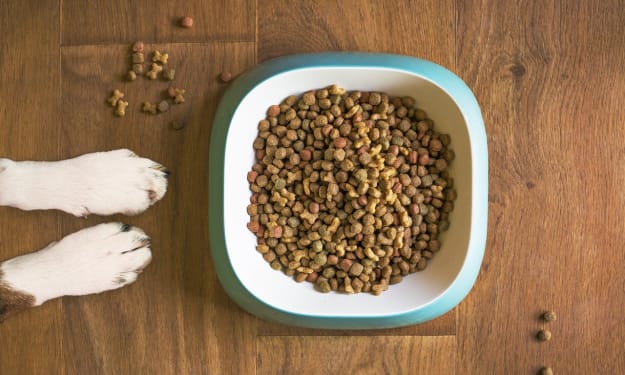
Overview From dry spots to itching, dogs with sensitive skin may experience discomfort and health problems. Selecting the proper dog food can have a significant impact if your pet has sensitive skin. This post will discuss the top dog food choices for sensitive skin, emphasizing skin-healthy components and advice on choosing the right recipe.
By Fast world engagement2 years ago in Petlife
Why do dogs bury things?
I always thought dogs burying bones only happened in cartoons until we had a second dog. He takes treats, toys and food outside, digs a hole and buries it, digging with his paws and filling in the hole by pushing the soil back with his nose. I have yet to see anything dug back up, the yard must be full of buried treats just waiting to be discovered. Why he does it and not the other dog baffles me. If I give them a chewy bone, he races straight to the door to take it outside while the other dog gets right on with the task of chewing that treat. Is it to do with a specific breed? Why does he do this?
By ELIA MWAPINGA2 years ago in Petlife
Swim Training your dog
Coaching the Reluctant Rescue Dog Are there actually Newfoundlands that don't know how to swim? More than likely, all Newfoundlands know how to swim, but there are some that are too afraid or unwilling to try. Granted some Newfs swim better than others by using their legs more efficiently, but all Newfs can swim, naturally, to some extent.
By ELIA MWAPINGA2 years ago in Petlife
How To Stop Puppy Biting
Bringing a new puppy into your home is an exhilarating experience, filled with joy and anticipation. However, the initial excitement can soon transform into frustration as you may find yourself dealing with persistent biting and nipping behaviors. As a canine behaviorist, I can attest that this issue is the most frequently reported problem among puppy owners. In this guide, I will not only address how to eventually eliminate puppy biting but also provide immediate strategies to manage this behavior effectively.
By joshua owolabi2 years ago in Petlife
Top 5+ Dog Sleeping Positions and Their Meanings
Watching our dog sleep can be restful for us, but what does their posture say about their well-being? In today’s article, we'll explore the different dog sleeping positions and what they mean, helping you get to know your furry friend even better.
By Chandan Singh Rawat2 years ago in Petlife
Best Foods for Your Pet
When it comes to our immediate, pleasant companions, we all want the best for their health, happiness, and longevity. While proper nutrition is one of the cornerstones of that, there's so much to choose from out there. This article will be highlighting the best food for the common types of pets, like dogs and cats, including small animals. It will further discuss tipping on what to look out for when selecting food for them. 1. Understanding the Basics of Nutrition for Pets Importance of Nutrition Balance Like human beings, pets require a proper and complete diet of proteins, carbohydrates, fats, vitamins, and minerals. It's just that the right proportions vary according to the species, age, size, and health of your pet. Benefits of Quality Pet Food Quality food for pets contains all the nutrients that animals need, while at the same time avoiding fillers, artificial additives, and chemicals that might remain harmful to them. 2. Best Foods for Dogs High Protein Diets Dogs are omnivores but do best on a protein heavy diet for muscle building and energy. Look for foods with real meat as the first ingredient, such as chicken, beef, or fish. Avoid Fillers Fillers like corn, soy, and wheat have little nutritional value yet are found in the cheapest dog foods. For dogs that do have allergies or sensitive stomachs, a grain-free or limited ingredient diet might prove effective. Top Dog Food Recommendations Kibble: With natural ingredients, the preferred brands are categories including but not limited to Blue Buffalo, Orijen, or Wellness since they're highly protein. Wet food helps with hydration and is more appetizing. Brands recommended are Merrick, Hill's Science Diet, and Natural Balance. Raw or Fresh Food Options: Companies like The Farmer's Dog and Ollie offer fresh, preportioned meals that can be an excellent choice for pet parents seeking a less processed option. 3. Best Foods for Cats High-Protein, Low-Carbohydrate Diets Compared to other mammals, cats are obligate carnivores, having a high requirement for meat-based protein and low carbohydrates. This is important to the general health of the animal, since felines have bodies built more for the digestion of proteins instead of carbohydrates. Hydrating Foods Cats hardly drink enough water, and the need for it; therefore, wet and canned foods help them keep their bodies well-hydrated. Top Cat Food Picks Dry food : Acana, Blue Buffalo, and Taste of the Wild are great brands that offer high protein, low-carb options. Wet Food: Some brands, like Tiki Cat, Wellness, and Royal Canin, will have water-dense meals with elevated quality protein. Raw or Freeze-Dried Food: Stella & Chewy's or Primal Pet Foods-Using one of these for a raw or freeze-dried diet for a cat will be much closer to their natural diet. 4. Small Animals: rabbits, hamsters, guinea pigs Herbivorous Diets Small animals, like rabbits and guinea pigs, require a high amount of fiber intake as they are herbivorous; much of their diet should be composed of hay to digest well in their stomach. Pellets Commercial Only high-quality pellets can provide whatever the necessary nutrients are; avoid those which may contain added sugars or fillers not required. Fresh Vegetables Fresh leafy greens are great supplements added in moderation, like romaine lettuce, parsley, or cilantro. The Best Food for Small Pets Rabbits and Guinea Pigs: Look for brands that offer high-fiber pellets, like Oxbow and Kaytee, with healthy hay. Hamsters: Look for foods specifically formulated for hamsters. One good example is Higgins Sunburst Hamster and Gerbil food, a balance mix of grains, seeds, and sources of protein. 5. Some Tips to Feed the Right Food to Your Pet Look for AAFCO Approval The standards for pet foods in the United States are determined by the Association of American Feed Control Officials. An AAFCO statement on an animal food label guarantees that the food has passed nutritional standards. Consider your pet's age and health. Puppies and kittens, along with young animals, need growth-specific formulas, while senior pets may benefit from lower-calorie or joint-supportive ingredients. Seek Veterinary Advice Your veterinarian will have suggestions about types of food that may be most appropriate for your pet, considering special needs and allergies. Conclusion
By Arun Singhwal2 years ago in Petlife