celebrities
Like their uniquely-named children, the pets of our favorite celebrities are the public's darlings.
Dog Rescued from River After 7 Years Missing — Owner in Tears
The rain had been pounding the small town of Willow Creek for two straight days. The river, usually a gentle ribbon winding lazily through the woods, had turned into a furious, churning beast. Locals stood on the muddy banks, watching debris race past, hoping no one — and nothing — would be caught in its pull.
By Muhammad Saeedabout a year ago in Petlife
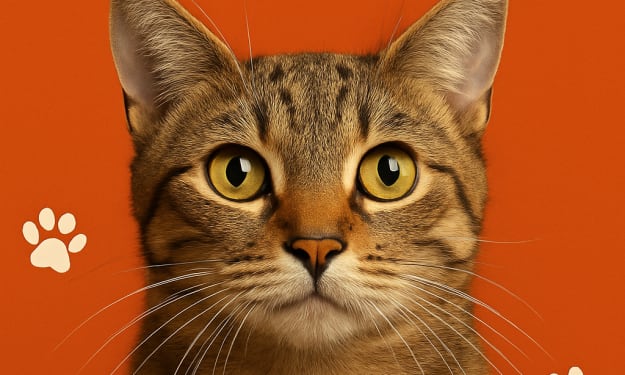
Meow in the Mine: The Underground Cat Recovery
It started with a faint, hollow sound—so soft that most would have mistaken it for the wind moaning through the old shafts. But to Liam Harper, who’d spent thirty years working these mines before they were sealed, it was unmistakable. It was a cry.
By Muhammad Saeedabout a year ago in Petlife
How a Tiny Kitten Saved Me from My Darkest Days
There was a time, not too long ago, when getting out of bed felt like climbing a mountain barefoot. My mind was heavy, my heart heavier. Some days, even the thought of opening the curtains felt like too much effort. Friends tried to help, but there’s only so much comfort words can bring when you’re trapped inside your own head.
By Vocal Member about a year ago in Petlife
Paws, Whiskers & Wonders: Why International Cat Day Is the Internet’s Favorite Holiday
🐾 Introduction: A Day Made for the Internet There are few things the internet loves more than cats. Whether it’s a viral TikTok of a sassy tabby knocking over a cup, or a cozy YouTube video of a purring kitten nestled in a blanket—cats have claimed the throne of online royalty. So it’s no surprise that International Cat Day, celebrated every August 8th, has become a global sensation, lighting up timelines and hashtags across every platform.
By Waqar Khanabout a year ago in Petlife
Rethinking Pet Care: How Custom Accessories Are Changing the Way We Treat Our Cats and Dogs
Introduction In recent years, the pet care industry has seen a growing shift toward individualized products tailored to the specific needs of animals. From ergonomically designed food bowls to orthopedic support gear, today's pet owners are seeking more than just aesthetics—they’re investing in functionality and comfort. Two of the most notable trends in this space include the rise of personalized cat dishes and custom dog braces, which are transforming the way we address nutrition and mobility for our furry companions. But what's driving this evolution, and what does it mean for everyday pet care?
By charliesamuelabout a year ago in Petlife
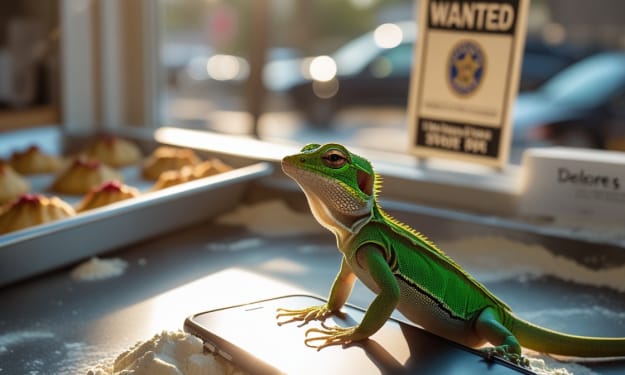
The Lizard That Solved a Robbery
No one in the quiet town of Willow Creek expected a lizard to outsmart a thief. Certainly not Officer Grady, who’d spent twenty-three years chasing shoplifters, speeding tractors, and the occasional cow that escaped during milking hour.
By Muhammad Saeedabout a year ago in Petlife
Bring Smiles to Work & Home: Gifts for Pet Lovers + Unique Office Gifts by YoBro
At YoBro Gifts, everything starts with imagination and playful creativity. Their in-house design team blends digital and hand-drawn artistry to create whimsical yet stylish products that deliver personality with purpose.
By Bona millerabout a year ago in Petlife
Dog Returns After 8 Years: Found in Public Bathroom, Reunited After Hurricane Harvey.
In a moment that would give hope to any pet owner, Blue, a dog who vanished during the chaos of Hurricane Harvey in August 2017, was recently found—eight years later—wandering alone in a public restroom at Cameron Park in Waco, Texas (some 300 miles from home), and is now joyously reunited with her original family.
By Muhammad Saeedabout a year ago in Petlife
The Wolf: The Intelligent and Social Predator of the Wild
The wolf is a magnificent animal known not only for its strength and cunning but also for its highly social nature. It plays a vital role in the ecosystem and is found across forests and snowy regions of North America, Europe, Asia, and the Middle East. There are many types of wolves, with the most famous being the gray wolf. A wolf’s physical build is strong, agile, and built for speed. Its sharp teeth, pointed claws, and piercing eyes make it a superb predator. An adult wolf typically measures between 60 to 90 centimeters in height and weighs between 40 to 50 kilograms. Its sense of smell is exceptionally strong, helping it detect prey from a distance. One of the most remarkable traits of a wolf is its pack system. Wolves are not solitary by nature; they live and hunt in groups called packs. Each pack has an “alpha male” and “alpha female” who serve as the leaders, while the rest of the group follows their lead. These packs work together to hunt, raise young ones, and defend one another. This social structure makes the wolf a unique creature among wild animals. Wolves primarily feed on deer, rabbits, wild boar, and other small to medium-sized animals. When they hunt, the entire pack moves in a coordinated strategy. Some wolves chase and scare the prey, while others lie in wait to ambush. This teamwork enables them to hunt animals much larger than themselves. The relationship between humans and wolves has always been complex. Many people view wolves as dangerous, especially farmers, since wolves occasionally attack livestock. However, in reality, wolves approach human habitats only when their natural prey is scarce or when their habitat is destroyed. Today, wolves are under threat. Deforestation, pollution, and illegal hunting have greatly reduced their population. Many species are now on the verge of extinction. Fortunately, several countries have implemented protective laws and launched breeding and conservation programs in designated safe areas. Wolves also hold a special place in folklore and mythology across the world. Whether it's the children's tale "Little Red Riding Hood" or the traditions of Native American tribes, the wolf often appears as a symbol of bravery, cleverness, or sometimes fear. These stories reflect the deep fascination humans have had with wolves for centuries. The wolf’s nature teaches us important lessons about leadership, teamwork, and sacrifice. It is not just a powerful animal but also one that is loyal, intelligent, and observant. Wolves are crucial to maintaining the natural balance in ecosystems by controlling populations of herbivores and other prey species. Conclusion: The wolf is an extraordinary creature—an emblem of nature’s strength, balance, and beauty. We must do our part to protect and preserve it, not fear it based on myths. Understanding the true nature of wolves can help build respect for this important species and encourage better conservation efforts.
By Sophia Graceabout a year ago in Petlife
The Incredible Journey of Bear Pregnancy: A Silent Miracle of Nature
Introduction: The bear is a powerful and fascinating creature of the wild, known for its strength, adaptability, and solitary lifestyle. Among the many wonders of nature, the pregnancy journey of a female bear stands out as a unique biological process. It is not just a reproductive phase, but a quiet miracle of nature that showcases maternal instinct, survival strategies, and the delicate balance of ecosystems. --- Bear Species and Their Habitats There are several species of bears including the Brown Bear, Black Bear, and Polar Bear. Each species is found in different parts of the world – from dense forests and mountains to icy tundras and grasslands. While their environments may differ, their reproductive behaviors share several similarities. --- Reproductive Cycle of Female Bears Female bears usually reproduce once every two to three years. Mating takes place during the summer months, typically from May to July. However, a fascinating phenomenon in bear biology is delayed implantation. Although mating occurs in summer, the embryo doesn't immediately start developing in the uterus. Instead, the fertilized egg remains dormant for several months. Only when the female enters hibernation during the cold winter months does the embryo implant in the uterus and the actual gestation begins. This biological feature ensures that the cubs are born during hibernation when the mother is in a safe, undisturbed state. --- Duration of Pregnancy The total gestation period for a bear is around 6 to 8 months, depending on the species. However, active pregnancy – after implantation – lasts only 6 to 8 weeks. The initial months are part of the delayed development phase. This process ensures that the cubs are born in late winter, allowing the mother time to regain strength and nourish the cubs in the safety of the den before venturing out in spring. --- Behavior During Pregnancy As winter approaches, the pregnant female bear prepares for hibernation. She finds a secure place such as a cave, hollow tree, or dug-out den and enters a deep sleep-like state. During this time, she does not eat, drink, or defecate. Her body survives solely on the fat reserves stored during summer. Inside her, the developing cubs grow slowly. Despite her motionless state, the mother's body continues to support the life within her—a remarkable act of endurance and maternal sacrifice. --- Birth of the Cubs Bear cubs are typically born between January and February, while the mother is still hibernating. Cubs are born blind, hairless, and extremely tiny—usually weighing between 300 to 500 grams (about 1 pound). Despite their fragile condition, they instinctively crawl to their mother's teats for milk. The warmth of the den and the mother’s body helps keep them alive. The mother nurses them while still in a semi-sleep state. --- Bond Between Mother and Cubs The bond between a bear and her cubs is strong and protective. The mother stays with her young for up to two years, during which she teaches them essential survival skills such as hunting, foraging, and avoiding predators. She fiercely protects them from threats and often delays mating again until the cubs are independent. This maternal devotion is vital for the cubs’ survival in the harsh wilderness and reflects the emotional and instinctive depth of bear behavior. --- Conclusion The pregnancy of a bear is much more than a reproductive event—it's a masterclass in natural timing, maternal instinct, and environmental adaptation. From delayed implantation to birthing during hibernation, the process is both mysterious and inspiring. Understanding such processes deepens our appreciation for wildlife and emphasizes the need to protect these magnificent animals and their habitats for future generations.
By Sophia Graceabout a year ago in Petlife