breeds
Know what to expect from your pet with our breed breakdown; information about each breed's appearance, health, life span, personality and more.
BEST DOG FOOD FOR ALLERGIES
If you are a dog owner, you may have experienced your dog's allergies at some point. Like humans, dogs can have various allergies, including food allergies. In some cases, it can be challenging to identify the cause of the allergy, making it challenging to find the best dog food for allergies. In this note, we will explain what allergies in dogs are, how to identify food allergies, and the best dog food for allergies in the simplest terms possible.
By Mate Opeyemi4 years ago in Petlife
Fur, Feathers, and Fins: The Many Ways Pets Enrich Our Lives
Pets have become an integral part of our lives, providing us with love, companionship, and endless entertainment. Whether you are a dog person, a cat person, or prefer more exotic pets like birds or fish, pets have a way of enriching our lives in countless ways. In this article, we'll explore the many ways that pets can bring joy and positivity to our lives.
By Biomarketin4 years ago in Petlife
The Rottweiler
The Rottweiler is a powerful and intelligent breed that has captured the hearts of dog lovers around the world. With their muscular build and protective nature, they make excellent guard dogs, but they are also known for their loving and loyal personalities. In this comprehensive guide, we'll take a closer look at the Rottweiler breed, from their history to their unique training needs.
By Muhammad Bilal4 years ago in Petlife
Understanding the German Shepherd
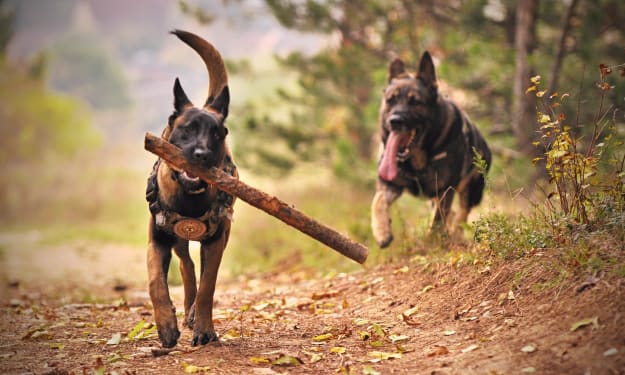
German Shepherds are one of the most popular dog breeds in the world, and for good reason. These intelligent, loyal, and versatile dogs have captured the hearts of countless people around the globe. But how much do you really know about this amazing breed? In this comprehensive guide, we'll take a deep dive into all things German Shepherd, from their history to their temperament to their unique training needs.
By Muhammad Bilal4 years ago in Petlife
Train Your Dog Like a Pro with Brain Training Techniques!
As a dog owner, you understand that your furry friend is more than just a pet – they are a member of your family. However, sometimes our four-legged family members can exhibit frustrating behaviors that make it difficult to bond with them or even live with them comfortably. Fortunately, there is a solution to these problems: Brain Training for Dogs. This innovative program is designed to help dog owners understand their pets better and improve their behavior using gentle, positive reinforcement techniques.
By William Johnson4 years ago in Petlife
Luna: A Cat's Tale of Adventure and Friendship.
Luna was a small, fluffy grey-and-white cat with big green eyes. She lived in a cozy little house with her human family, who loved her very much. Luna was a curious cat, and she loved to explore her surroundings. She would spend hours watching the birds outside, chasing toy mice around the house, and snuggling with her family.
By Arham Shahzad4 years ago in Petlife
The most effective method to Urge Canines to normally Mate
Keep the female at a sound weight. Females are bound to consider, and have solid pregnancies, in the event that they stay at a sound weight. An under or overweight female might have issues considering and conveying doggies to term. A sound weight will support a solid pregnancy.[1]
By Ikechukwu Nwanne4 years ago in Petlife
Dachshund Dog : Full History
The Dachshund is a breed of dog that has been around for centuries. Originally developed in Germany, they were bred to hunt badgers and other small game. Today, they are a popular companion animal and come in a variety of sizes and colors. The history of the Dachshund can be traced back to the 15th century, where they were used as hunting dogs in Germany. They were developed to hunt badgers, which were causing damage to crops and livestock. The word "Dachshund" literally means "badger dog" in German. The breed was created by crossing several different types of dogs, including the French Basset Hound and the Pinscher. The result was a dog with a long body and short legs, perfect for following badgers into their burrows. Over time, the Dachshund's popularity spread throughout Europe and eventually to the United States. In the early 20th century, the breed was recognized by the American Kennel Club and has since become a beloved pet in many households. Dachshunds come in three different sizes: Standard, Miniature, and Toy. The Standard Dachshund typically weighs between 16-32 pounds and stands about 8-9 inches tall. The Miniature Dachshund weighs between 9-15 pounds and stands about 5-6 inches tall. The Toy Dachshund weighs less than 8 pounds and stands about 4-5 inches tall. Dachshunds also come in a variety of colors and patterns. The most common colors are black and tan, red, and chocolate. They can also be found in a variety of patterns, including dapple, brindle, and piebald. Despite their small size, Dachshunds are known for their brave and adventurous nature. They are also incredibly loyal to their owners and make excellent family pets. They are affectionate and playful, and enjoy spending time with their humans. However, Dachshunds are also prone to certain health problems. Their long body puts them at risk for spinal problems, including herniated discs. They are also prone to obesity and dental issues, so it's important to monitor their weight and dental health. In recent years, Dachshunds have gained popularity on social media, with many accounts dedicated to the adorable breed. They have also been featured in popular movies and TV shows, including the animated film "The Secret Life of Pets" and the Netflix series "Dogs". Despite their small size, Dachshunds are highly active dogs that require daily exercise and mental stimulation. They love to play and explore, making them great companions for outdoor activities such as hiking and jogging. However, it's important to be mindful of their physical limitations and avoid activities that could be harmful to their back.
By Sarath SKWMS4 years ago in Petlife
German Shepherd History :
German Shepherd History : The German Shepherd is a breed of dog that originated in Germany in the late 19th century. The breed was developed through the efforts of a German cavalry officer named Max von Stephanitz, who was looking to create the ideal working dog for herding and guarding sheep.
By Sarath SKWMS4 years ago in Petlife
15 Tips for Training Your Labrador Retriever:
15 Tips for Training Your Labrador Retriever: Training your Labrador Retriever can be a fun and rewarding experience for both you and your furry friend. Labs are known for their intelligence, loyalty, and love for their human companions, which makes them great candidates for training. Here are 10 tips for training your Labrador Retriever. Start Early: Start training your Labrador Retriever as soon as you bring them home. Puppies have a short attention span, but they are quick learners. Teaching them basic commands like “sit”, “stay”, and “come” at an early age will set the foundation for more advanced training in the future. Be Patient: Training a dog takes time and patience. Your Labrador Retriever may not learn a new command or behavior right away, but with consistency and positive reinforcement, they will eventually get it. Stay calm and positive during training sessions, and avoid getting frustrated or angry. Use Positive Reinforcement: Positive reinforcement is the most effective way to train your Labrador Retriever. Reward them with treats, praise, and affection when they do something correctly. This will motivate them to continue the behavior and associate training with positive experiences. Consistency is Key: Consistency is important when training your Labrador Retriever. Use the same commands and rewards every time, and keep training sessions at a similar time and place. This will help your dog understand what is expected of them and ever Socialization is an important part of training your Labrador Retriever. Expose them to different people, dogs, and environments from a young age. This will help them become well-adjusted and confident, and reduce the risk of behavior problems in the future. Use Treats Wisely: Treats are a great way to motivate your Labrador Retriever during training, but use them wisely. Too many treats can lead to obesity and other health problems. Use small, low-calorie treats, and gradually reduce the frequency as your dog becomes more proficient in their training. Make Training Fun: Training should be a fun and enjoyable experience for both you and your Labrador Retriever. Incorporate games and play into training sessions to keep things interesting and engaging. This will help your dog stay motivated and eager to learn. Be Clear and Confident: Be clear and confident when giving commands to your Labrador Retriever. Use a firm, but gentle tone, and avoid using confusing or mixed signals. This will help your dog understand what is expected of them and reduce the risk of confusion or frustration. Don’t Punish Your Dog: Punishing your Labrador Retriever for bad behavior is not an effective training method. It can lead to fear and anxiety, and make your dog more likely to exhibit the behavior in the future. Instead, redirect their attention to a more appropriate behavior and reward them when they do it correctly. Practice Patience and Perseverance: Training your Labrador Retriever is not a one-time event. It requires patience, perseverance, and ongoing effort. Keep training sessions short and frequent, and celebrate small victories along the way. With time and effort, you and your furry friend will develop a strong bond and a successful training routine. Gradually Increase Training Difficulty: As your Labrador Retriever becomes more proficient in their training, gradually increase the difficulty of the exercises. This will challenge them mentally and keep them engaged in the training process. For example, you can increase the duration of their “stay” command, or introduce new commands and behaviors for them to learn. Seek Professional Help If Needed: If you are struggling with training your Labrador Retriever or encountering behavioral problems, seek help from a professional dog trainer or behaviorist. They can provide personalized guidance and support to help you and your dog overcome any challenges. Exercise Your Labrador Retriever: Exercise is important for both physical and mental health, and can also contribute to successful training. Make sure your Labrador Retriever gets plenty of exercise, such as daily walks, runs, or playtime in a fenced yard. This will help them release excess energy and stay focused during training. Use a Training Clicker: A training clicker is a small device that makes a clicking sound when pressed. It can be a useful tool for training your Labrador Retriever, as it provides a clear and consistent sound to mark a desired behavior. Pair the clicker with treats and positive reinforcement to reinforce good behavior. Practice Training in Different Environments : Practice training your Labrador Retriever in different environments, such as in the park or on a busy street. This will help them generalize their training to different situations and environments, and improve their overall obedience and behavior. In conclusion, training your Labrador Retriever can be a fun and rewarding experience with the right approach and techniques. Be patient, consistent, and positive, and use the tips outlined above to set your furry friend up for success. With time and effort, you and your Labrador Retriever will develop a strong bond and a successful training routine. More_infermation
By Sarath SKWMS4 years ago in Petlife
50 reasons why dogs are better than cats?
50 Reasons Why Dogs Are Better Than Cats Introduction For centuries, people have debated whether dogs or cats make better pets. While cats may have their charms, there are many reasons why dogs are simply better.
By Thiyagarajan Angannachari4 years ago in Petlife