
Seasonal Allergies in Cats: Environmental Triggers and Relief Options
How to recognize, manage, and reduce seasonal allergy flare-ups in cats using environmental control, vet-approved treatments, and practical home strategies

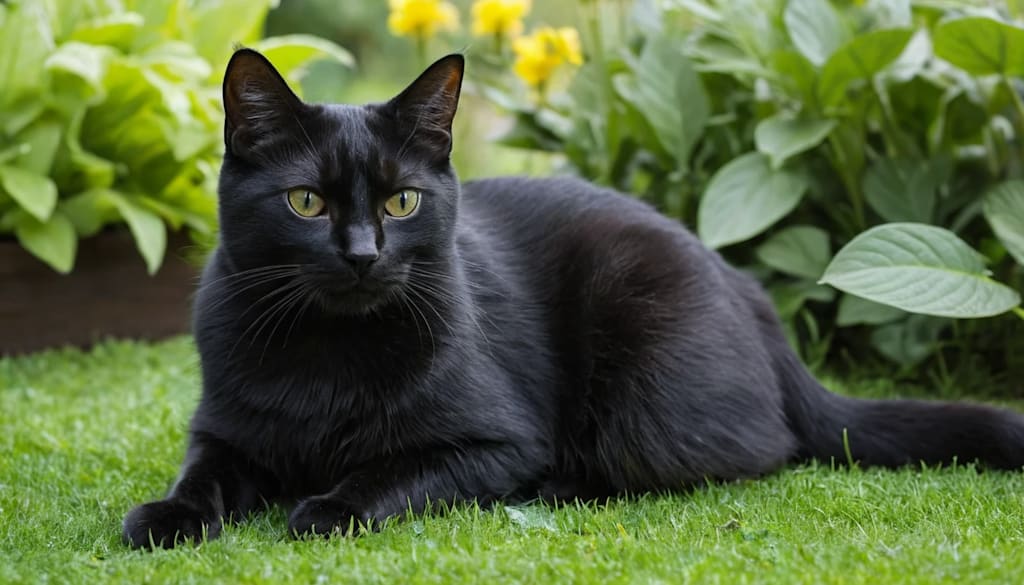
Seasonal allergies in cats often start quietly. A little more scratching than usual. A bit more licking after a nap. Maybe some restlessness that doesn’t quite fit their normal rhythm. It’s easy to miss at first, or to assume it’s something minor that will pass on its own.
But for many cats, these subtle changes are actually the beginning of a recurring cycle—one that returns each year with the same environmental triggers, especially pollen, mold spores, and dust that shift with the seasons.
Understanding what’s happening beneath the surface makes all the difference, because once you see allergies as a pattern rather than a random irritation, you can start to manage them in a way that genuinely improves your cat’s quality of life.
________________________________________
When the environment becomes the trigger
Seasonal allergies in cats are the result of the immune system reacting too strongly to things that are normally harmless. Pollen drifting through an open window, dust particles lifted by heating systems, or mold spores carried in on clothing can all become signals for the body to overreact.
What makes cats particularly sensitive is the way they experience their environment. Their skin is highly reactive, their grooming behavior is constant, and their immune response tends to show up through the skin rather than the nose. So instead of a simple “allergy sneeze,” you often see itching, over-grooming, or patches of irritated skin.
The result is not just discomfort, but a repetitive loop: the allergen triggers irritation, the cat licks or scratches the area, and the skin becomes even more inflamed.
________________________________________
The subtle language of symptoms
One of the most important things to understand is that cats rarely present allergies in an obvious way. They don’t always sneeze or have watery eyes like humans. Instead, their symptoms are quiet, behavioral, and sometimes misleading.
A cat might start grooming one specific area much more than usual. You may notice thinning fur on the belly, inner legs, or around the neck. Some cats begin to rub their face against furniture or carpet, almost as if trying to relieve an invisible itch.
As the irritation increases, small scabs or red patches can appear, especially if the skin has been repeatedly scratched or licked. In more persistent cases, the ears may become inflamed or sensitive, leading to frequent head shaking or scratching around the head.
What often surprises owners is how quickly a mild seasonal reaction can become a habit. The body learns to react, and the behavior becomes part of the cat’s response to that time of year.
________________________________________
Why timing matters more than you think
Seasonal allergies tend to follow patterns that mirror changes in the natural world. Spring brings tree pollen, summer intensifies grass exposure, autumn introduces weed pollen and decaying plant matter, and winter shifts the focus indoors, where dust mites and dry air become the main irritants.
Even indoor cats are not fully protected. Allergens travel easily on clothing, through ventilation systems, and through brief moments when windows are open. This is why some cats show symptoms even if they never step outside.
Once you begin to notice the timing, the pattern becomes clearer. The same months, the same symptoms, the same cycle repeating each year.
________________________________________
What is happening inside the body
At the core of seasonal allergies is an overactive immune response. The cat’s body identifies a harmless substance as a threat and releases inflammatory chemicals in response. This leads to itching, redness, and irritation.
But the real complication comes from grooming. Cats instinctively lick and clean themselves when something feels wrong, but in allergy cases, this behavior actually worsens the problem. Saliva and mechanical friction break down the skin barrier, making it even more sensitive.
This is why allergies in cats are often more about skin health than respiratory symptoms. The surface becomes the main battlefield.
________________________________________
Helping the environment do less harm
One of the most effective ways to reduce seasonal allergy flare-ups is to adjust the environment so that fewer allergens reach your cat in the first place.
Keeping indoor air clean can make a noticeable difference. Many cat owners find that using a HEPA air purifier helps reduce airborne particles, especially during high pollen seasons. Regular vacuuming, particularly in fabric-heavy areas, also helps limit dust and dander buildup.
Washing bedding frequently is another simple but powerful step. Cat beds, blankets, and soft resting spots tend to collect allergens over time, and cleaning them consistently reduces repeated exposure.
For cats that go outdoors, even briefly, a gentle wipe-down with a damp cloth can remove pollen before it spreads through grooming later.
________________________________________
Supporting the skin rather than fighting it
In allergy-prone cats, the skin itself becomes more vulnerable during flare-ups. This is why gentle care matters more than aggressive treatment.
Brushing helps remove allergens from the coat before they reach the skin. In some cases, light grooming with pet-safe wipes can reduce irritation without stressing the cat.
Bathing can help in certain situations, but it is not always well tolerated, and it should never be done too frequently. The goal is not to strip the skin, but to support it.
Nutrition also plays a quiet but important role. Omega-3 fatty acids, for example, can help reduce inflammation over time and support the skin barrier. Hydration is equally important, since well-hydrated skin tends to be less reactive.
________________________________________
Medical support when comfort is not enough
Sometimes environmental management alone is not sufficient, especially during peak allergy seasons. In these cases, veterinarians may recommend medications that reduce inflammation or calm the immune response.
These treatments are not about masking the problem, but about giving the skin a chance to recover while environmental triggers are still present. In more persistent cases, long-term strategies such as immunotherapy may be considered, where the immune system is gradually trained to become less reactive to specific allergens.
The key idea here is balance. The goal is not to eliminate every symptom instantly, but to reduce the overall burden on the body so the cat can return to a comfortable baseline.
________________________________________
When patterns become the biggest clue
One of the most useful tools for understanding seasonal allergies is observation over time. Unlike sudden illnesses, allergies tend to follow predictable cycles. Once you recognize when symptoms begin and how they progress, you can often anticipate flare-ups before they become severe.
This kind of awareness allows for early intervention, which is always easier and more effective than reacting after the irritation has already escalated.
________________________________________
Seasonal allergies in cats are rarely dramatic at first, but they can quietly affect comfort and behavior in meaningful ways. The important shift is seeing them not as isolated episodes, but as part of a repeating relationship between the cat’s immune system and its environment.
Once that relationship is understood, management becomes less about reacting and more about shaping conditions so the body is not constantly on alert.
In the end, relief often comes from consistency—cleaner air, gentler routines, and small adjustments that reduce the daily load on a sensitive system. And for most cats, that is enough to turn a frustrating seasonal cycle into something far more manageable and calm.
About the Creator
Algieba
Curious observer of the world, exploring the latest ideas, trends, and stories that shape our lives. A thoughtful writer who seeks to make sense of complex topics and share insights that inform, inspire, and engage readers.
Enjoyed the story? Support the Creator.
Subscribe for free to receive all their stories in your feed. You could also become a paid subscriber, letting them know you appreciate their work.
Comments
There are no comments for this story
Be the first to respond and start the conversation.