
Premium Pet Beds for Purr-fect Sleep: The Ultimate Guide to Comfort & Support
Read this blog to know - Premium Pet Beds for Purr-fect Sleep: The Ultimate Guide to Comfort & Support

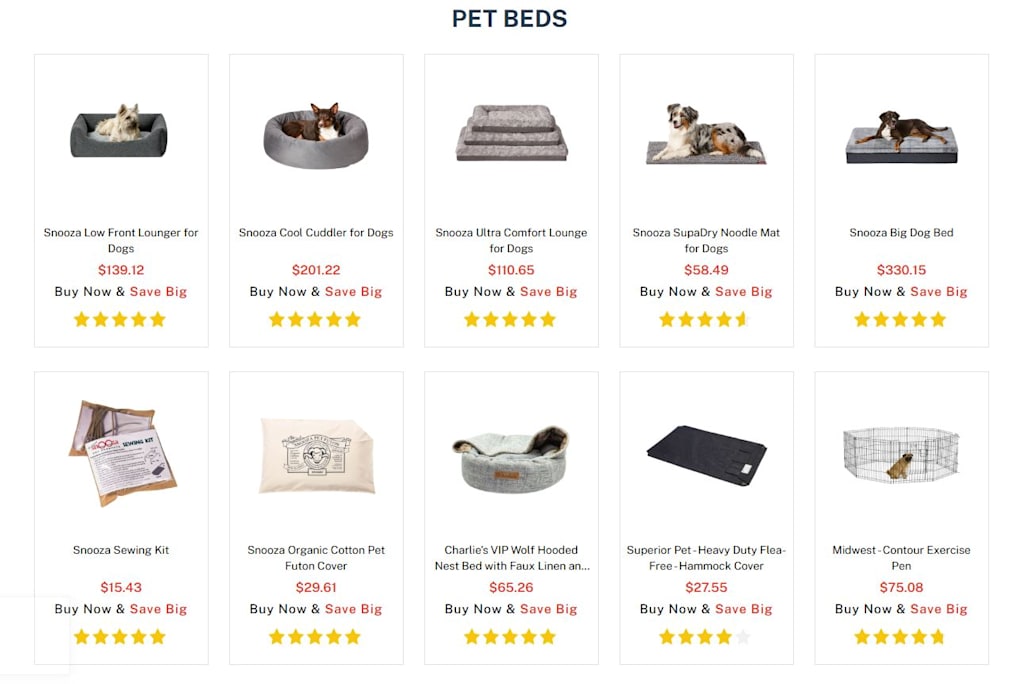
Every pet parent knows the feeling: you buy a beautiful, plush new couch, only to find your dog or cat immediately claiming it as their own. While it's cute, our furry family members spend anywhere from 12 to 16 hours a day sleeping. Just like us, where they sleep matters profoundly for their physical health and mental well-being.
Investing in a premium pet bed isn't a luxury—it's a fundamental part of responsible pet care. Let’s dive deep into why high-quality bedding matters and how to choose the ultimate sleep sanctuary for your companion.Why Quality Sleep Matters for Your Pet A mattress isn't just a place to crash; it's a tool for recovery. Pets experience distinct physiological benefits from a dedicated, premium sleeping surface:
Joint and Spinal Alignment: Cheap, fiber-filled beds flatten out within weeks, leaving your pet resting on the hard floor. Premium memory foam contours to their body, relieving pressure points on hips, shoulders, and the spine.
Anxiety Reduction: Many premium pet beds feature raised rims or hooded designs. These mimic the feeling of nesting or burrowing, triggering a sense of security that lowers cortisol (stress hormone) levels.
Temperature Regulation: High-end beds utilize breathable fabrics or cooling gel-infused foams that prevent overheating in summer and trap ambient body heat in the winter.
Choosing the Right Bed: Matching Style to Sleeping Position Pets have unique sleeping personalities. Observing how your pet sleeps is the most effective way to choose the perfect bed shape.
Sleeping Position Preferred StyleKey Benefit The "Donut" (Curled up tight)Bolster / Donut Bed Raised walls provide a sense of security and a perfect headrest. The "Sprawler" (Stretched fully out)Mattress / Flat Pad Open design gives maximum surface area to stretch limbs. The "Burrower" (Under the covers)Cave / Hooded Bed Fabric canopy mimics a den, providing warmth and isolation.
The "Senior Leaner" (Stiff or arthritic)Orthopedic Solid Foam High-density foam allows easy entry/exit without sinking to the floor. The Anatomy of a Premium Pet Bed
What actually separates a budget grocery-store bed from a premium tier product? It comes down to material science and thoughtful engineering.
1. The Core: Orthopedic Memory Foam vs. Shredded Poly-Fill Low-cost beds use blown polyester fiberfill, which quickly clumps and migrates, creating uneven lumps. Premium beds use solid-core orthopedic foam or viscoelastic memory foam. This material evenly distributes weight, which is essential for senior pets, large breeds prone to hip dysplasia, or lean dogs with prominent joints (like Greyhounds).
2. The Cover: Durability Meets Comfort A premium cover must withstand nesting behavior (scratching and circling) while remaining soft against skin and fur. Look for heavy-duty upholstery-grade fabrics, such as: Double-faced plush or faux fur for texture-loving cats and small dogs. Ripstop ballistic nylon or tightly woven canvas for heavy scratchers.
3. Maintenance and Hygiene Accidents, mud, and shedding happen. A bed that cannot be thoroughly cleaned quickly becomes a breeding ground for bacteria and allergens. Premium beds feature removable, machine-washable covers equipped with heavy-duty zippers, alongside waterproof internal liners that protect the core foam from moisture damage.
Step-by-Step: Selecting and Sizing Your New Bed To avoid the common mistake of buying a bed that is too small or overly restrictive, follow this straightforward process:
1. Measure your pet while sleeping: Use a flexible tape measure. Wait until your pet is relaxed and asleep in their natural position. Measure from the tip of the nose to the base of the tail.
2. Add the comfort buffer: Ensure room to turn. Add 15 to 30 centimeters (6 to 12 inches) to that measurement. This establishes the minimum length or diameter the bed surface needs to be.
3. Check the weight rating: Verify structural integrity. Always check the manufacturer’s maximum weight capacity. A bed might be long enough, but if the foam density isn't rated for your pet's weight, it will bottom out.
4. Plan the placement: Account for foot traffic.
Choose a quiet, draft-free corner of your home. Ensure the bed size fits the floor space without obstructing walkways or doors.
Pro Tip: If you are transitioning a pet from your couch or bed to their own space, place a piece of your worn clothing inside their new bed. Your familiar scent acts as an immediate reassurance, making the new sleeping spot instantly appealing.
About the Creator
Thomas Muller
VetSupply is a leading online pet store in Australia with a comprehensive range of products that cater to all your pet care needs.
Enjoyed the story? Support the Creator.
Subscribe for free to receive all their stories in your feed.
Comments
There are no comments for this story
Be the first to respond and start the conversation.