
My Cat Thinks He’s My Service Animal. He Is Not.
A love story between a DeafBlind human and the world’s most unqualified employee.

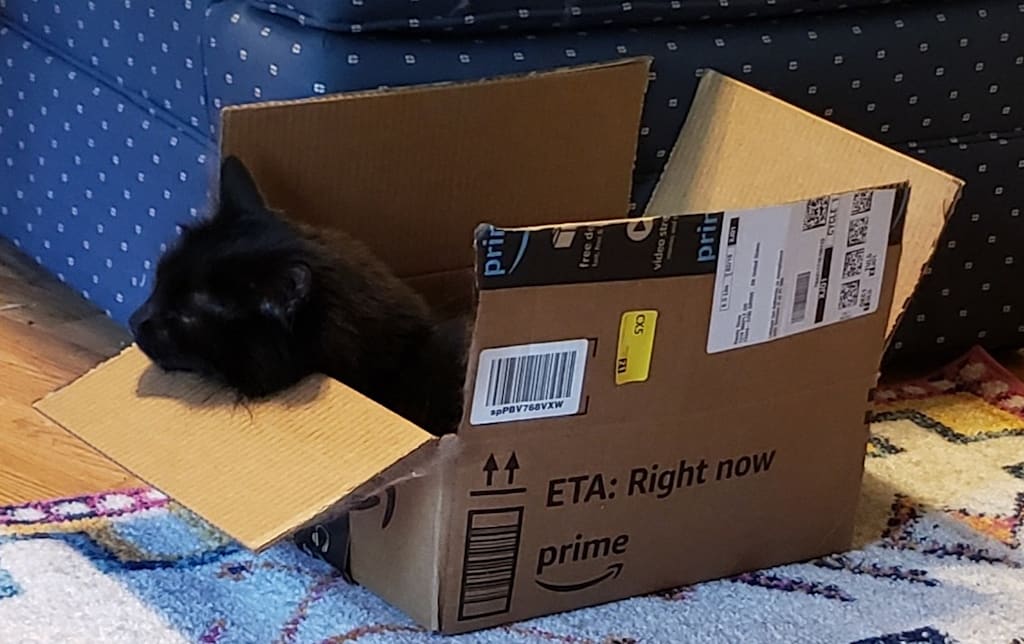
Leo has decided he has a job. I did not hire him, I did not interview him, and I certainly did not approve his résumé (which would list “Professional Trip Hazard” and “Snack Acquisition Specialist”).
Yet every morning, this furry little tyrant clocks in like he’s on payroll. He trots around my house with the confidence of a seasoned service animal and the competence of… well, a cat. A cat who believes that walking directly under my feet is “guiding,” screaming at dust is “alerting,” and biting my arm is “emotional support.”
And listen — I adore him. But if Leo were actually responsible for my safety, I would not be alive to write this article.
The Things He Thinks He Helps With
Leo approaches “helping” the way a toddler approaches “cleaning”: with enthusiasm, zero skill, and a growing collection of hairballs on the floor.
1. “Guiding” Me by Walking Directly Under My Feet
In Leo’s mind, he is leading me through the house like a majestic, whiskered guide animal.
In reality, he is a furry landmine with legs.
His signature move is the Sudden U‑Turn of Death, performed exclusively when my hands are full, I’m navigating by touch, or I’m carrying my cup of coffee.
He believes this is teamwork.
It is not.
2. “Alerting” Me to Danger by Screaming at Absolutely Nothing
Dust? A shadow? A molecule that moved wrong?
Leo will alert me. Loudly. Repeatedly. With the urgency of someone who has just discovered a gas leak.
I don’t hear any of it — I just feel the dramatic bap on my arm, which is his universal signal for:
“Feed me.”
“Feed me again.”
“I know the bowl is full, but have you considered second breakfast?”
“It’s been ten minutes since elevenses.”
“I am wasting away. Look at me. I am but a whisper of a cat.”
He has fully embraced the Hobbit meal schedule: Breakfast, second breakfast, elevenses, lunch, afternoon tea, dinner, supper, and “I saw the bottom of my bowl for one second and now I’m emotionally unwell.”
If he ever did try to alert me to something real, I would assume he just wanted snacks and ignore him entirely.
3. “Emotional Support” by Biting My Arm
Some people get gentle nudges or comforting purrs. I get “love bites” that feel like he’s checking whether my arm is ripe.
He bites me when he’s happy. He bites me when he’s bored. He bites me when he wants attention, food, or to remind me that he is, in fact, the main character.
It’s not soothing. It’s not therapeutic. It’s not even consistent.
But in Leo’s mind, this is emotional regulation. His emotional regulation, not mine.
4. “Helping” Me Stay Put by Becoming a Lap Anchor
Leo has decided that one of his primary “service tasks” is preventing me from getting up and doing literally anything. Not by guidance. Not by alerting. But by planting himself on my lap like a warm, heavy paperweight with abandonment issues.
If I so much as shift my weight? He presses down harder.
If I reach for something? He stretches out like, “No. You live here now.”
If I even think about being productive? He curls into a perfect loaf and pretends to be asleep — the feline equivalent of, “You wouldn’t move me. I’m baby.”
He thinks he’s providing comfort. What he’s actually providing is involuntary stillness and a complete inability to get anything done.
The Real Difference Between Pets and Service Animals
(a.k.a. Why Leo Is Many Things, but “Qualified” Is Not One of Them)
Here’s the truth: I love Leo. He is my companion, my entertainment, my furry little Hobbit who believes meals should occur every 45 minutes.
But he is not a service animal — and that distinction actually matters.
Training vs. Vibes
A real service animal is trained for months or years to perform specific, reliable tasks. Leo is trained in exactly one thing: bapping my arm for snacks he does not need.
Consistency vs. Chaos
Service animals are steady, predictable, and focused. Leo is… whatever the opposite of that is.
He operates on hunger, mood, and cosmic whimsy.
Safety vs. Hazard
Service animals help keep disabled people safe. Leo walks under my feet like a sentient trip hazard with a death wish.
If he were responsible for my mobility, I’d be horizontal by noon.
Independence vs. Immobilization
Service animals support independence. Leo supports immobility by anchoring himself to my lap the moment I consider standing up.
He’s not assisting — he’s preventing.
Task‑Based Support vs. Emotional Blackmail
Service animals perform trained tasks that help their handler. Leo performs whatever gets him fed or keeps me seated.
A real service animal retrieves items, alerts to medical changes, or guides safely. Leo “alerts” me by bapping my arm whenever he decides it’s time for another Hobbit meal.
A service animal encourages independence. Leo encourages staying put, settling on my lap like a warm hostage‑taker.
His “tasks” aren’t support. They’re strategic manipulation wrapped in fur.
So Here’s What People Actually Need to Know About Service Animals
Leo is wonderful, chaotic, Hobbit‑coded, and aggressively unqualified — and that’s exactly why this matters.
Because while he’s busy bapping me for elevenses, real service animals are doing life‑changing, often life‑saving work.
Do: Respect the Handler’s Space
A service animal is medical equipment with a heartbeat. You wouldn’t grab someone’s cane or wheelchair — don’t touch their dog either.
Do: Speak to the Person, Not the Animal
The handler is the one doing the communicating. The dog is working.
(Leo would fail this immediately because he believes all communication is Leo‑centric.)
Do: Trust That the Animal Is Trained
If a service dog ignores you, stays focused, or doesn’t react the way a pet would — that’s the point. They’re not being “cold.” They’re being professional.
Don’t: Distract, Pet, Call, or Make Kissy Noises
A distracted service animal is a dangerous situation for the handler. Even “I just wanted to say hi” can break focus at the wrong moment.
Don’t: Assume All Disabilities Are Visible
Many service‑animal handlers have invisible disabilities. If someone says their dog is working, that’s the end of the conversation.
Don’t: Claim Your Pet Is a Service Animal
This one matters most. Passing off a pet as a service animal puts disabled people at risk and makes access harder for everyone.
Pets are amazing — but they are not trained for public safety.
And That’s Why Leo Isn’t One
He’s loving. He’s ridiculous. He’s a lap anchor, a snack lobbyist, and a professional arm‑bapper.
But he is not trained, reliable, or safe in the way service animals must be.
And that’s okay. He doesn’t need to be a service animal. He just needs to be Leo — my furry, unqualified, Hobbit‑meal‑obsessed menace.
Recommended Reading
The Possibility Dogs: What a Handful of "Unadoptables" Taught Me About Service, Hope, & Healing
Until Tuesday: A Wounded Warrior and the Golden Retriever Who Saved Him
Evie is a Dog, NOT a Robot: Understanding Assistance Dogs
About the Creator
Tracy Stine
Freelance Writer. ASL Teacher. Disability Advocate. Deafblind. Snarky.
Enjoyed the story? Support the Creator.
Subscribe for free to receive all their stories in your feed.
Comments
There are no comments for this story
Be the first to respond and start the conversation.