

When you are considering a new pet, how about something that is not furry but slimy and green instead? These cute lizards can make great pets.
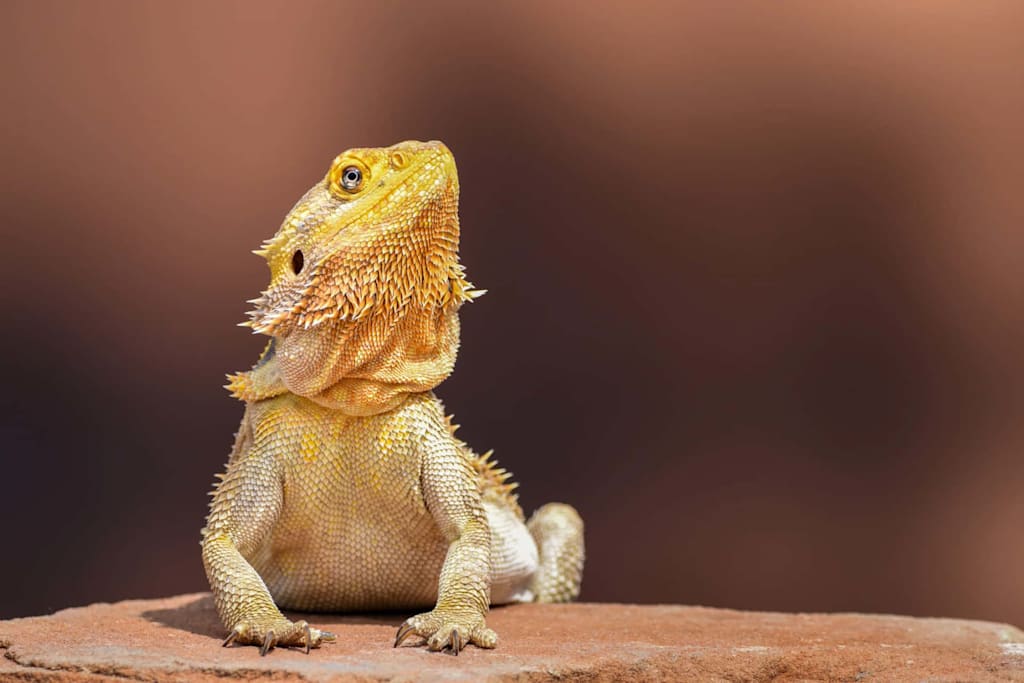
Bearded Dragons
These are some of the friendliest lizards with their calm and easy-going personalities. Bearded dragons are loved for their lazy demeanor and will be content to sit on your shoulder when you watch TV. They love to take baths and play games, and you can find them running to and fro in their enclosures. As babies, they are very tiny.
They require enclosures that allow them to move freely. Bask, and explore, which is important for their health and well-being.
Bearded dragons require a balanced diet consisting of both insects and vegetables. Young dragons need more protein from insects, while adults should have a higher proportion of greens and vegetables to maintain health.
Blue Crested Lizards
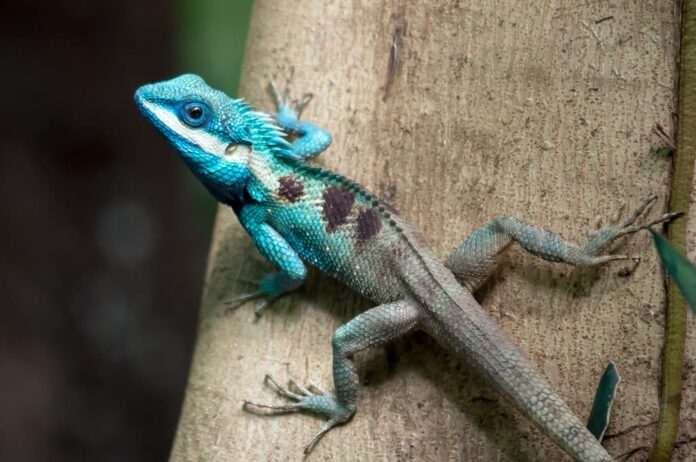
How about a friend all dressed in blue? Blue crested lizards have bright blue bodies. They have tiny eyes and mouths with spikes at the base of their heads. These lizards are very intelligent and are often kept as pets. However, they are not the friendliest and are not suggested for those who want to handle them.
Blue-crested Lizards require a spacious, humid terrarium that allows for climbing and hiding. The enclosure should include branches, live plants, and a water bowl to create a stimulating environment
They primarily require a diet rich in insects and some plant matter. They thrive on a variety of live feeder insects such as crickets, mealworms, and roaches, supplemented with fruits and vegetables for added nutrition.
Blue-Tongued Skinks
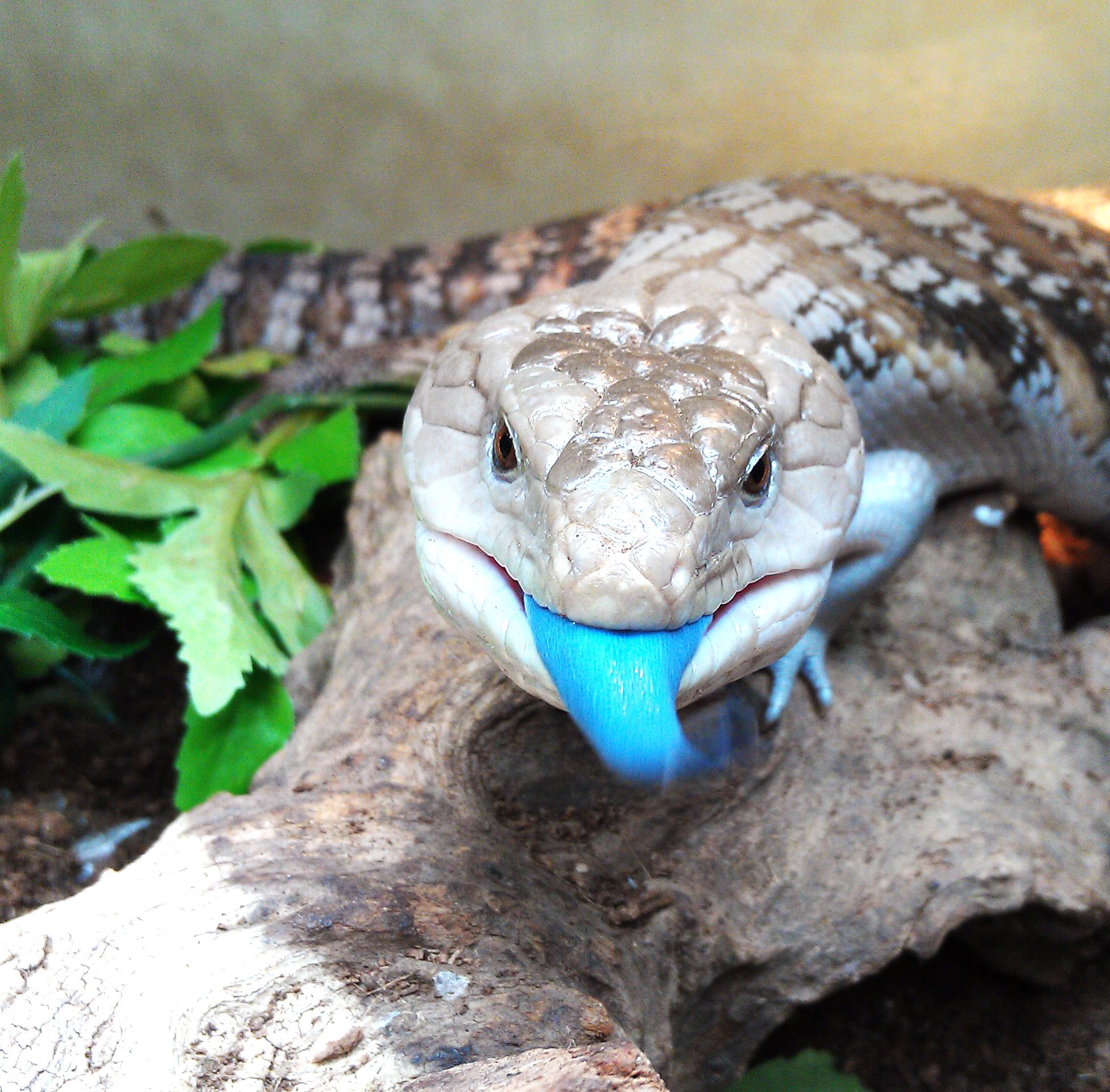
For added cuteness, how about a lizard that sticks out its blue tongue? Blue-tongued skinks are large, heavy-bodies and have exceptional temperaments. These lizards are calm, slow-moving, and tolerant when handled. Their bright blue tongues will flash if threatened.
A blue-tongued skink requires a spacious enclosure that prioritizes floor space over height, ideally a tank of at least 40 gallons. The setup should include proper heating, humidity control, and hiding spots to ensure a healthy environment for the skink.
Adults reach 18 to 24 inches and are omnivores, eating a varied diet of insects, vegetables, and some lean protein.
Caiman Lizards
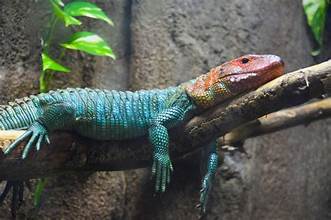
How about an unusually large friend? Caiman lizards come from the Amazon Basin and are large, semi-aquatic creatures. They can be handled, but it requires careful socialization from a young age to ensure they are manageable and comfortable with human interaction. However, they are generally solitary and can be territorial, so handling should be approached with caution to avoid stress or aggression.
They require a spacious, custom-built enclosure that is at least 6 feet long, 3 feet wide, and 4 feet tall, featuring a semi-aquatic setup with a water area and high humidity levels.
Caiman lizards primarily eat a diet of snails, particularly apple snails, along with other small aquatic creatures like shellfish and insects. Their specialized jaws and teeth are adapted for crushing hard-shelled prey, making it essential to replicate this diet in captivity for their health and well-being.
Crested Geckos
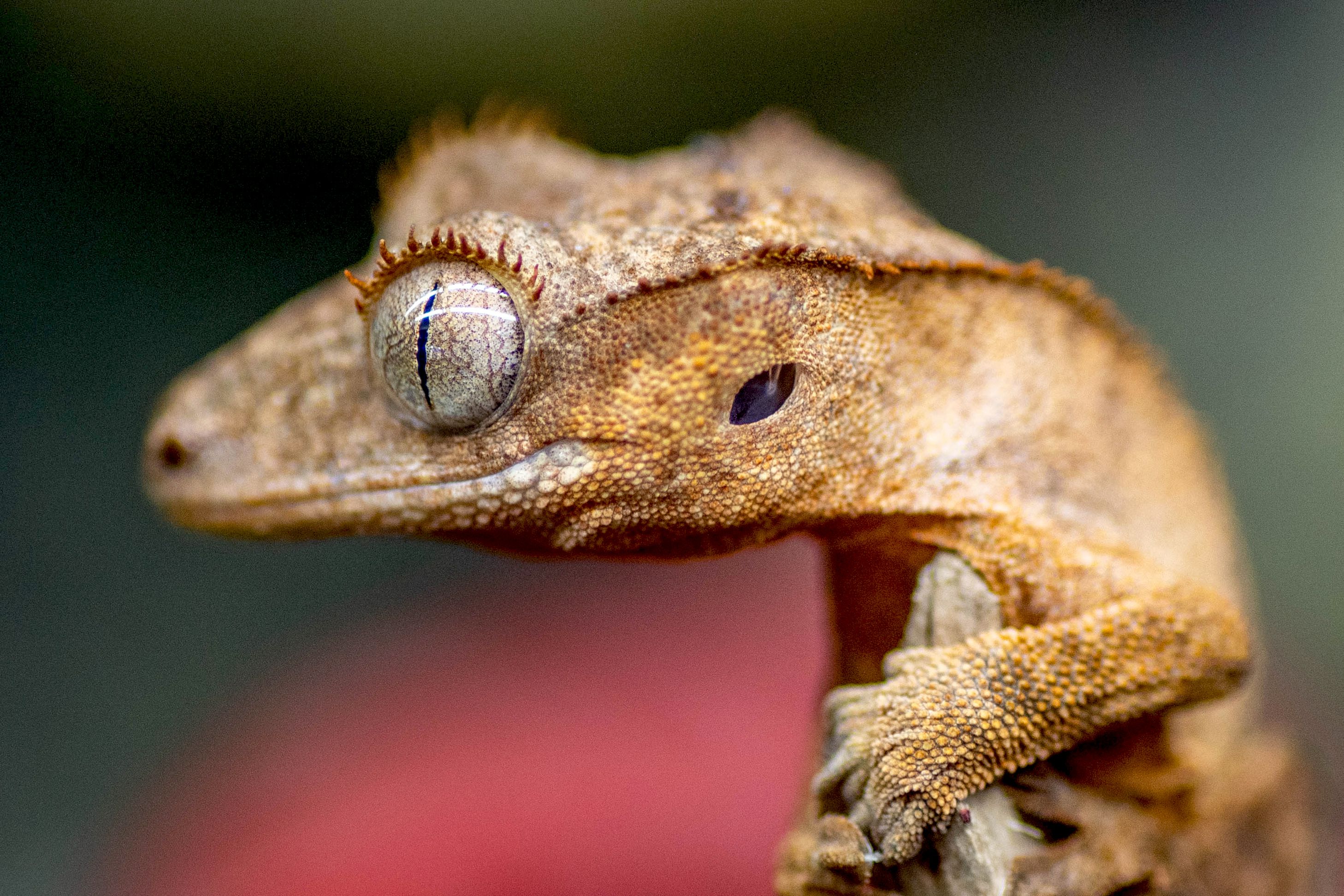
You can’t get any cuter than crested geckos with their tiny bodies and frog-like toes. They have prehensile tails that can curl around branches and other structures. In the wild, they make their homes in tree canopies. They have a row of sticky patches on the bottom side of their tails to help grip surfaces in trees.
A crested gecko should be housed in a minimum of a 40-gallon breeder tank, which provides a footprint of 36 by 18 inches. This size allows for a proper temperature gradient and space for the gecko to explore and hide comfortably.
Crested geckos thrive on a variety of insects, including crickets, mealworms, and hornworms.
Green Basilisks
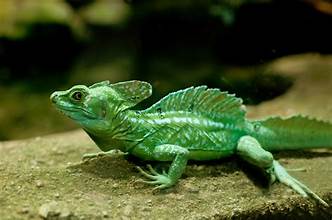
How about a green friend? Adult males develop vivid emerald green colorations and elaborate multi-finned crests. These are also known as “Jesus lizards” because of their ability to run on water. In captivity, they are active but handling is limited since they are skittish and flight-prone.
A green basilisk requires a spacious enclosure that allows for climbing and basking, ideally a large terrarium or vivarium. This setup should include vertical space, climbing branches, and a water feature to mimic their natural habitat.
They should be fed a balanced diet that includes a variety of live insects, leafy greens, and fruits. Juveniles require daily feeding, while adults can be fed every other day or a few times a week.
Leopard Geckos
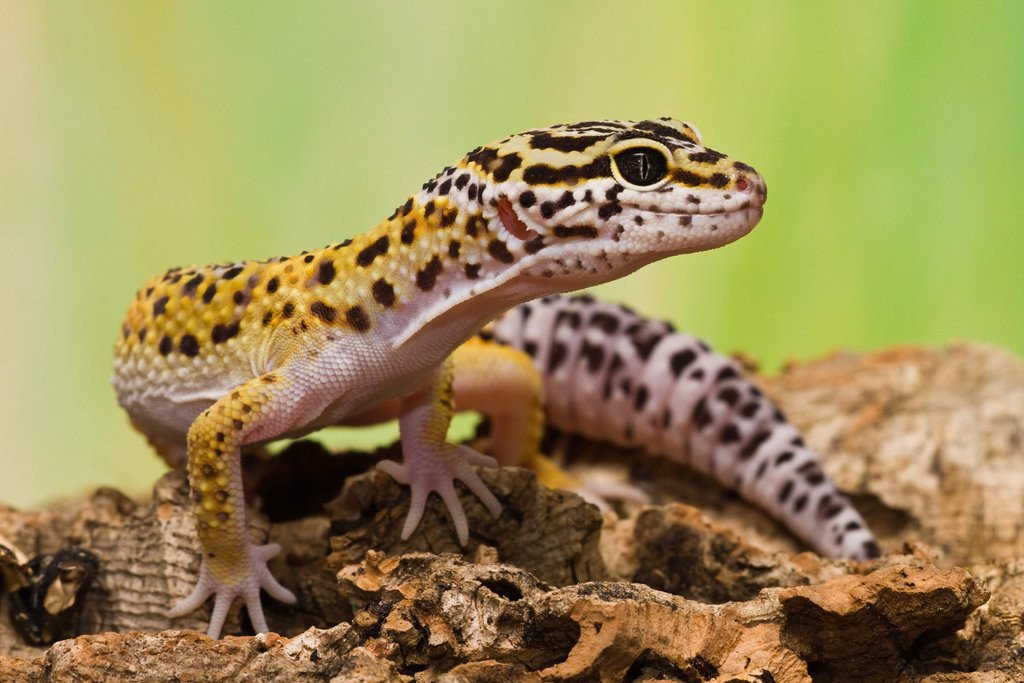
These adorable lizards can actually smile. They are docile and friendly and make great pets. You have a choice of your favorite color since they come in a variety of colors. Leopard geckos have large eyes.
A 40-gallon breeder tank is recommended as the minimum size for adult leopard geckos, moving beyond the older 20-gallon standard. Glass aquariums are popular for their aesthetics and temperature regulation, while wood and PVC enclosures offer better insulation.
Leopard geckos are insectivores and should primarily be fed a variety of live insects such as crickets, mealworms, and dubia roaches. It's essential to provide calcium and vitamin supplements to ensure their health and growth
Panther Chameleon
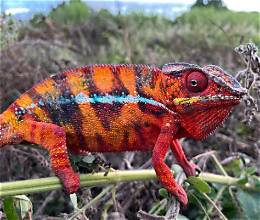
How about a pet that can change colors? These cute lizards are know for their ability to change colors in a myriad of bright hues. Panther chameleons have tiny eyes and long, fast tongues.
A panther chameleon should be housed in a tall, well-ventilated enclosure, ideally a screen terrarium. The enclosure should offer ample climbing opportunities, as chameleons are arboreal.
Panther chameleons should be fed a varied diet primarily consisting of gut-loaded insects such as crickets, dubia roaches, and silkworms. It's essential to dust these insects with calcium and multivitamins to ensure proper nutrition.
About the Creator
Rasma Raisters
My passions are writing and creating poetry. I write for several sites online and have four themed blogs on Wordpress. Please follow me on Twitter.
Enjoyed the story? Support the Creator.
Subscribe for free to receive all their stories in your feed. You could also become a paid subscriber, letting them know you appreciate their work.
Comments
There are no comments for this story
Be the first to respond and start the conversation.