
Leash Pulling Dog Training: Fix Pulling Fast
Leash pulling dog training is one of the biggest frustrations on walks.

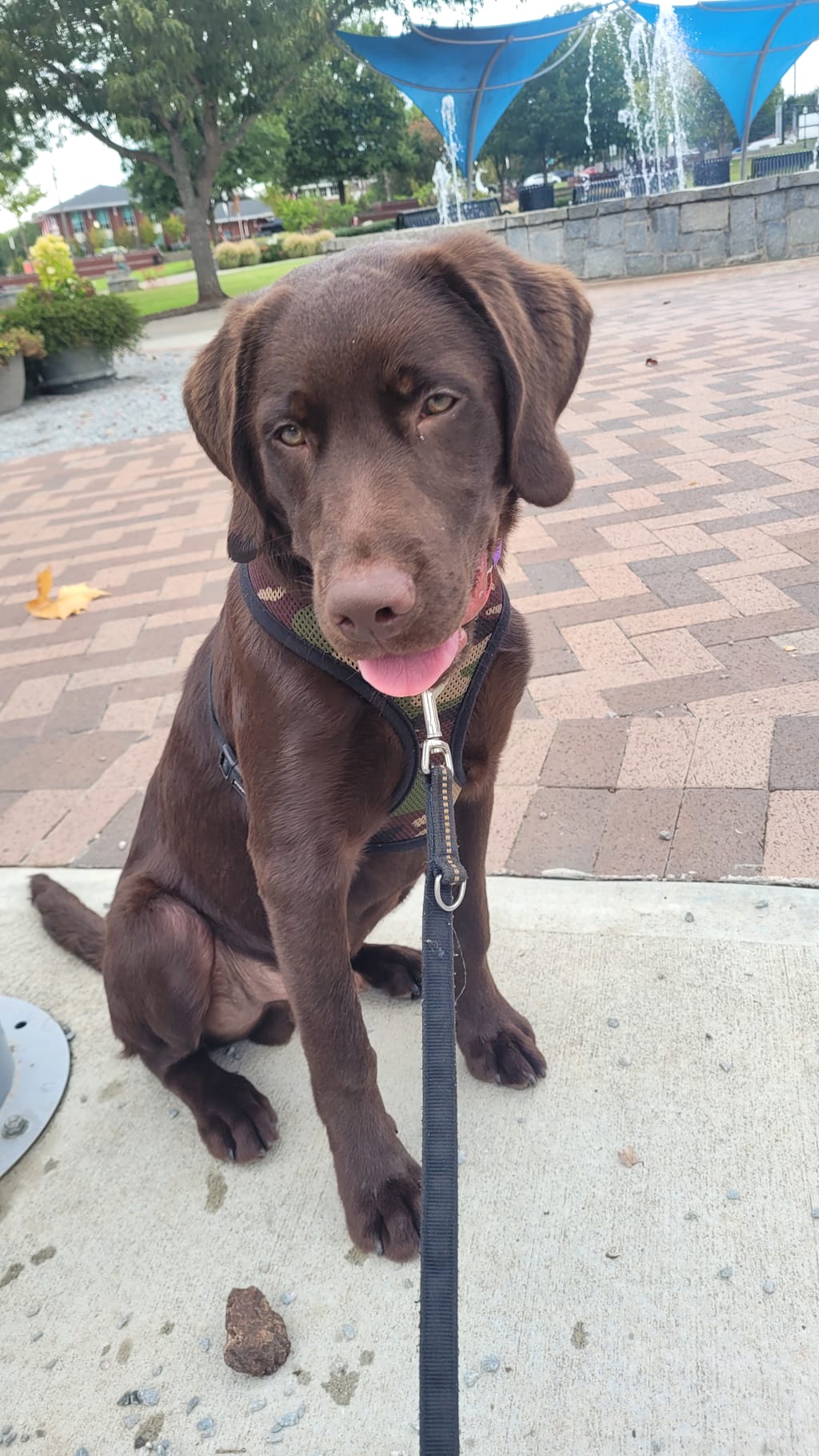
It starts calm.
Then suddenly your dog is pulling, lunging, and ignoring you.
Now the walk feels like a struggle instead of something you enjoy.
The problem isn’t stubbornness.
Your dog has simply learned that pulling works.
---
Why Leash Pulling Dog Training Matters
Most dogs pull because it gets them where they want to go faster.
Every step forward while pulling reinforces the behavior.
So over time, pulling becomes automatic.
At the same time, the environment is full of rewards:
- smells
- movement
- other dogs
- people
Compared to that, you become less important.
That’s why leash pulling dog training is necessary—it resets what your dog pays attention to.
---
What Leash Pulling Dog Training Actually Fixes
Leash pulling is not just about the leash.
It’s about focus and decision-making.
When your dog pulls, they are:
- choosing the environment over you
- making their own decisions
- ignoring guidance
Leash pulling dog training teaches your dog to stay connected to you, even outside.
---
What Your Dog Must Learn First for Leash Pulling Dog Training
Before fixing pulling, your dog needs a foundation.
Your dog must understand:
- how to respond to leash pressure
- that being near you is rewarding
- how to disengage from distractions
- that pulling does not move them forward
Without this, progress will feel inconsistent.
---
Leash Pulling Dog Training Step-by-Step
1. Stop Rewarding Pulling in Leash Pulling Dog Training
Pulling continues because it works.
So remove the reward.
- Stop the moment the leash gets tight
- Stay still and calm
- Move forward only when the leash is loose
This teaches your dog that pulling no longer works.
---
2. Teach Leash Pressure in Leash Pulling Dog Training
Your dog needs to understand the leash.
Start simple:
- Apply light pressure
- The moment your dog moves toward you → release
- Reward immediately
Now your dog learns how to turn pressure off.
---
3. Build Focus With Direction Changes in Leash Pulling Dog Training
Straight lines make it easy for dogs to ignore you.
Change that.
- Turn often
- Change direction unexpectedly
- Reward when your dog follows
This keeps your dog engaged and paying attention.
---
4. Reinforce Position in Leash Pulling Dog Training
Reward what you want to see.
When your dog walks next to you:
- mark it
- reward calmly
- keep moving
This builds the habit of staying close.
---
5. Start Small in Leash Pulling Dog Training
Don’t start where your dog will fail.
Begin in low-distraction areas:
- driveway
- quiet street
- calm environments
Then slowly increase difficulty.
---
Common Mistakes in Leash Pulling Dog Training
These slow progress more than anything else:
- allowing pulling “just this once”
- starting in busy areas too early
- only correcting without rewarding
- moving too fast
- skipping foundation work
Consistency is what creates results.
---
How Leash Pulling Dog Training Looks in Real Life
A trained walk feels completely different.
You’ll notice:
- a loose leash
- your dog checking in with you
- calm behavior around distractions
- a controlled pace
Walks become easier, calmer, and more enjoyable.
---
Real-World Application of Leash Pulling Dog Training
This isn’t just about better walks.
It affects daily life.
Without training:
- walks feel stressful
- dogs become more overstimulated
- owners avoid going out
- With leash pulling dog training:
- you feel in control
- your dog stays more focused
- outings become enjoyable again
---
Final Thoughts on Leash Pulling Dog Training
Leash pulling dog training is not about forcing your dog to stay next to you.
It’s about teaching your dog to choose you over everything else.
That takes structure, clarity, and consistency.
If you apply these steps, you will start seeing change.
And once your dog understands the rules, walks become something you actually look forward to again.
---
If your dog struggles with leash pulling, what happens most on your walks right now?
About the Creator
Pup's & Paws
Dog trainer, part-time treat dispenser, full-time translator of canine nonsense. I teach dogs manners and humans patience. Come for the tips, stay for the chaos.
Enjoyed the story? Support the Creator.
Subscribe for free to receive all their stories in your feed.
Comments
There are no comments for this story
Be the first to respond and start the conversation.