
How to Stop Your Dog from Escaping the Yard (Without Punishment)
Keep Them Secure

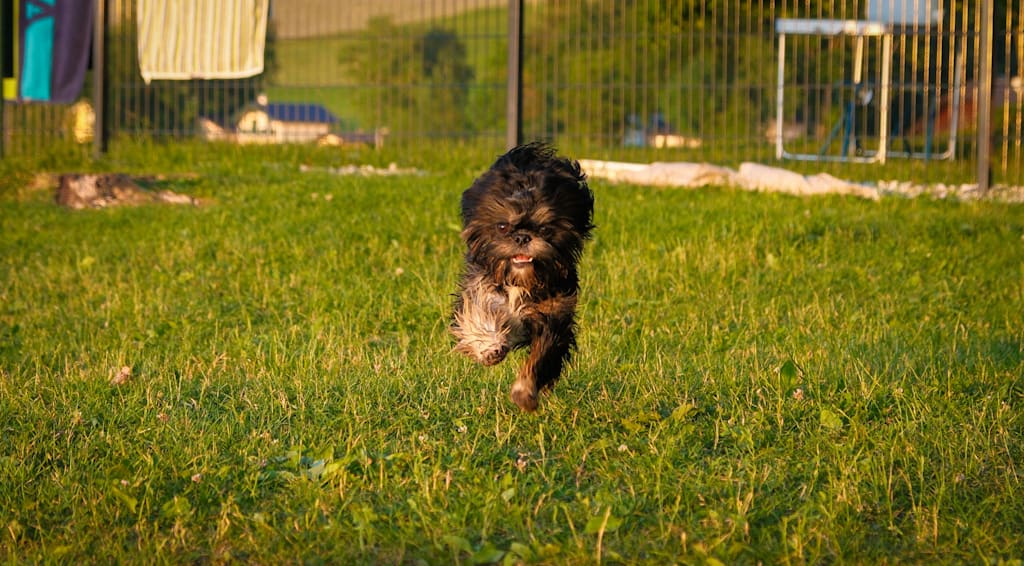
Born Free is a pretty song, but a poor source of advice for how to keep a domesticated dog. Animals love to dash through the plains and woods with abandon, but the dulled instincts and changed expectations of a critter used to the easy life in your house will serve them poorly outside its walls. A dog that is constantly heading for the hills could be in danger, should one of their attempts prove more successful. Stopping them requires both understanding and planning.
Doggo Psycho(logy): Why Is This Happening?
Housepets have food, a safe place to rest, and people who shower them with affection. So why does Fido want to leave such a sweet deal?
There are a variety of specific reasons why a dog might want to make a break for it, but ultimately, even the happiest little guy could decide to run off when they have a chance. The soul of every dog is still a touch wild, and wild animals want to run free. Some behavioral techniques and training can help, but none of them have certain results.
One thing to avoid is punishment. In order for a punitive measure to truly work, the subject needs to understand what they did wrong and connect it to what is now happening to them. A doggie brain can retain some things very well, but it will have trouble associating punishments with crimes. After all, in their mind, the dog did nothing wrong, and unless the correction is applied immediately, they won’t link the two events.
Problems and Solutions
Since we know that dogs aren’t escaping out of malice but rather instinct, and that prevention is much more efficacious than punishment, the best way to keep your good boy from running free across your neighborhood is making sure the barrier preventing him from doing so is the best it can be. Here’s an inventory of the ways your dog might be using to get out, and how to plug those weaknesses.
1. Jumping/Height
The first hurdle your secure fence needs to clear (pun very much intended) is height. Most breeds jump about 1-3 feet, but some clear over 6! If your backyard dog fence is lower than that, you might have found your issue, and should look for a replacement posthaste.
2. Climbing/Materials
Just building a taller barrier will do you little good if your dog is an avid climber. This is doubly true if you have an outdoor cat as well. Both kinds of pet are known for their scaling abilities, and a chain link fence might as well be an accessibility ramp for how little of an obstacle it will pose.
When looking for fencing material, you can find designs that work to prevent such vertical antics. The best on the market react to a climber by twisting under their little paws, forcing the critters back to the ground they came from without pain or fuss.
3. Digging/Dig Guards
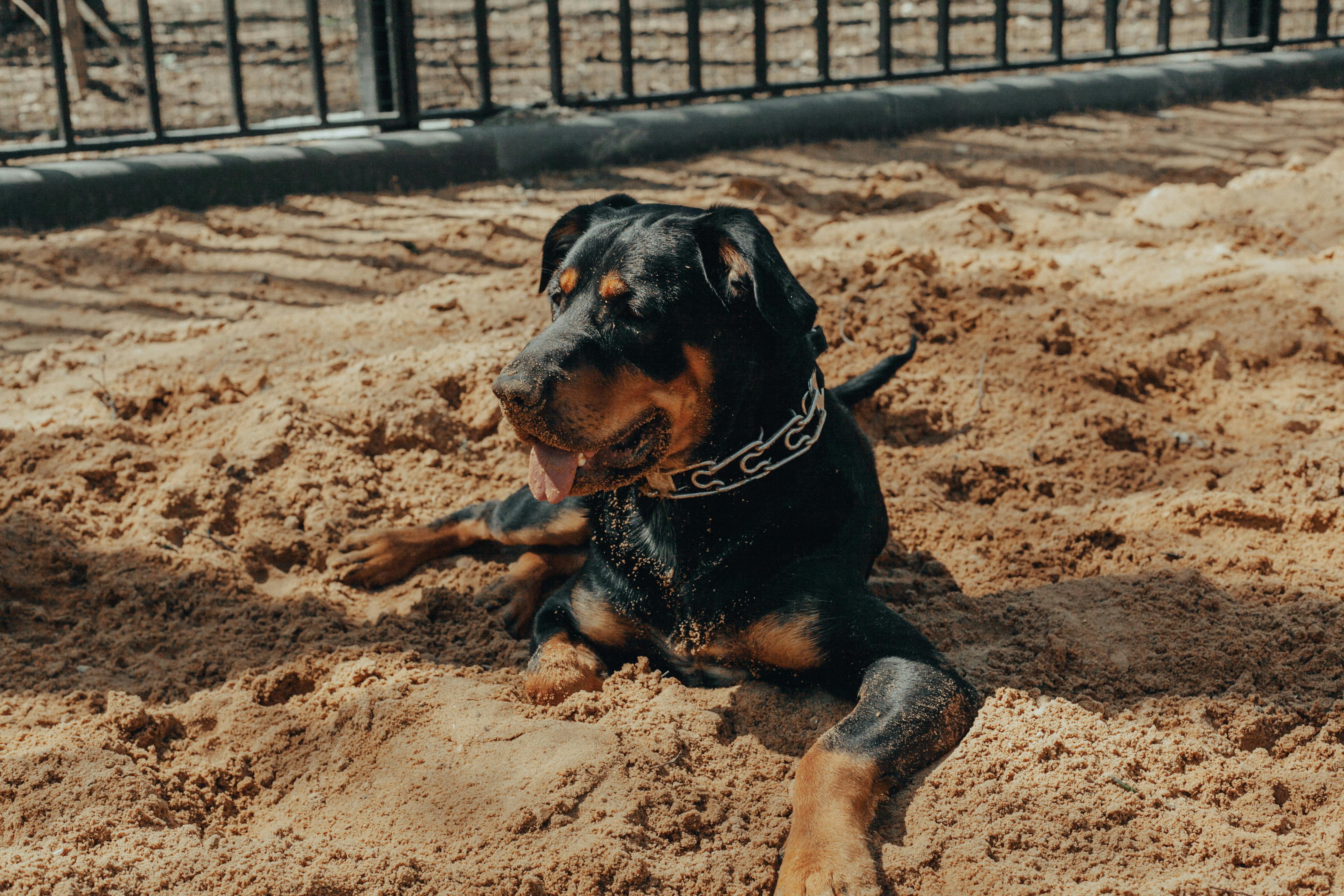
So now your fence is tall enough and unclimbable. You’re made in the shade. Right?
Unfortunately not. See, some dogs like to dig. Normally, there is no harm from this behavior, other than a series of unsightly holes in your lawn, of course. But a doggie with a mind to break out can find weak spots where the fence is away from the ground and, with a combination of nosing and moving dirt, create their very own escape tunnel. This not only lets them out of the yard, but also gives an ingress opportunity for all sorts of other critters.
The first way to stop a dog from going under the fence is to secure it to the ground. Staking the material down prevents this vulnerability from going critical. This has the added benefit of keeping pests outside your property from working their way in.
The other concern is the digging. This can be solved by creating an L-shaped extension at the foot of the fence, bent in towards your yard. You can bury it slightly, and if you do it right, it will even be mower-safe. Since a dog will usually dig right up against the fence itself, when they come across more fencing, they will be discouraged and move on to other doggy pursuits.
4. Chewing/Coating
Does your fence look like a yummy treat to you? Probably not, and probably not to your canine companion either, but that won’t stop them from chewing away if they think they can work through it. Some dogs can exert upwards of 700 psi of force with their mouths. A strong fence can resist this pressure for a while, but when the animal persists, tears can emerge.
You can supplement a well-made fence with coatings that discourage chewing critters from doing their dirty work. You’ll want to stay away from poisonous options, as those are both cruel and hazardous to both animals and humans. Instead, find a non-toxic solution that sends your biting bandit running with the power of taste.
5. Squeezing/Inspection
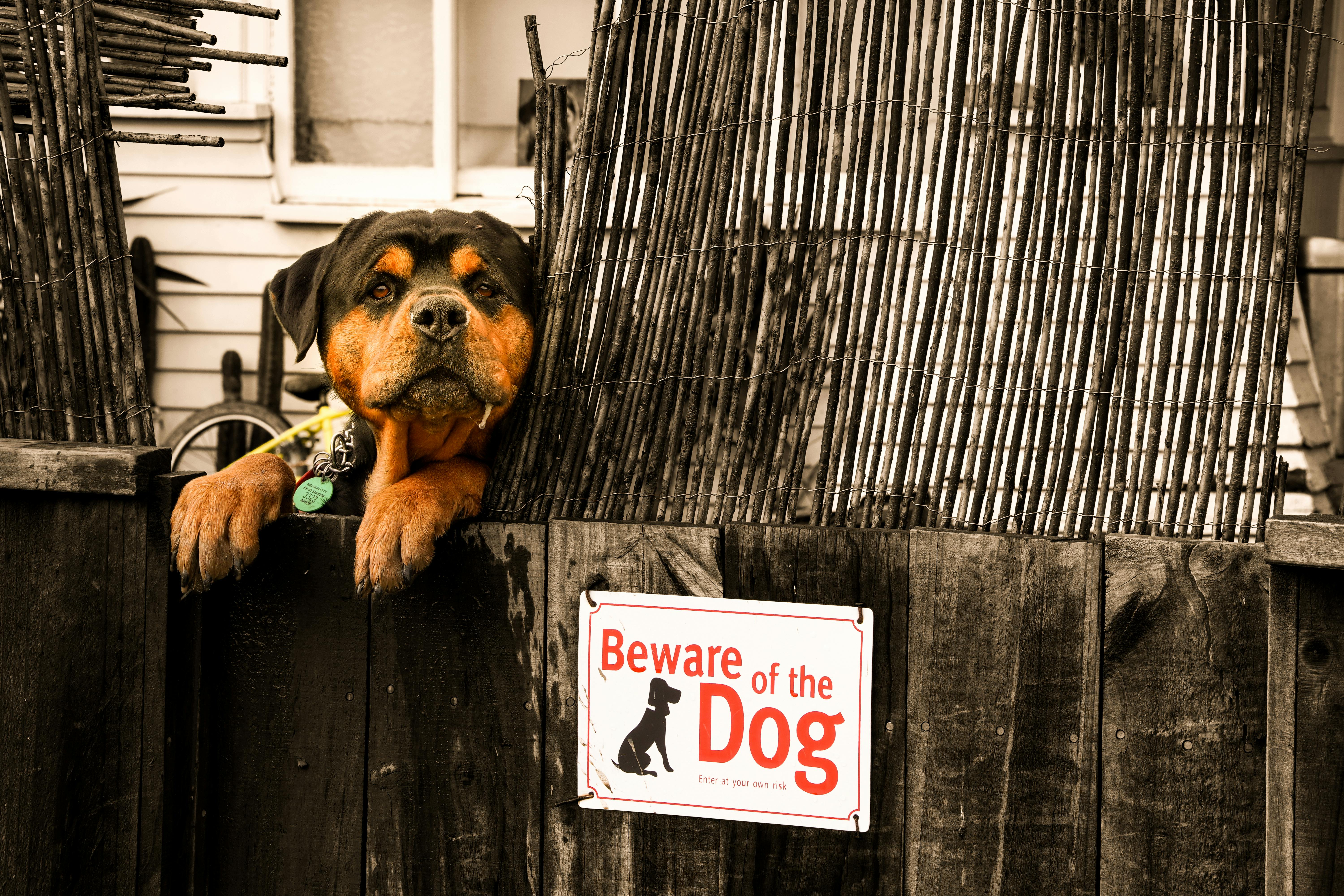
Building a fence is, sadly, not a one-and-done type of activity. Once you’ve put yours up, you’ll need to keep it maintained, as the elements and the actions of animals will wear away at even the best materials.
Low-cost fence materials might be unusable after only a year or less of service, whereas better-made plastics and metals can function for 25 years before needing replacement. It really is a matter of getting what you pay for. While you can go to a hardware store or big retailer and just get what’s on sale, you’re playing roulette with lifespan when you do so. Order instead from a reputable fencemaker with listed service lives for their products.
Gaps can appear much sooner than you would hope, though. You should make a habit of walking your fence and inspect for any damage or wear and tear that have compromised its effectiveness regularly. Once a month is a good rule of thumb, though in the wake of storms or in areas with especially active animal populations, you’ll need to check more frequently. When you find issues, you can patch or replace as needed.
A part of caring for your dog is making sure they are safe, even if they can’t really understand why they aren’t free to run into the road or your neighbor’s land. While you don’t want to punish them for doing what comes naturally to them, you do need to keep problems from happening. Proper precautions are reasonable, easy to implement, and will keep your best friend with you for years to come.
About the Creator
Andrew Lemieux
Andrew is a creative writer, poet, and content strategist. He is passionate about literature, food, wine, travel, and sports. In his spare time he enjoys working on home projects and restoring the 1837 Greek Revival he and his wife own.
Enjoyed the story? Support the Creator.
Subscribe for free to receive all their stories in your feed.
Comments
There are no comments for this story
Be the first to respond and start the conversation.