
Dietary Supplements for Cats
Read this blog to know - Dietary Supplements for Cats

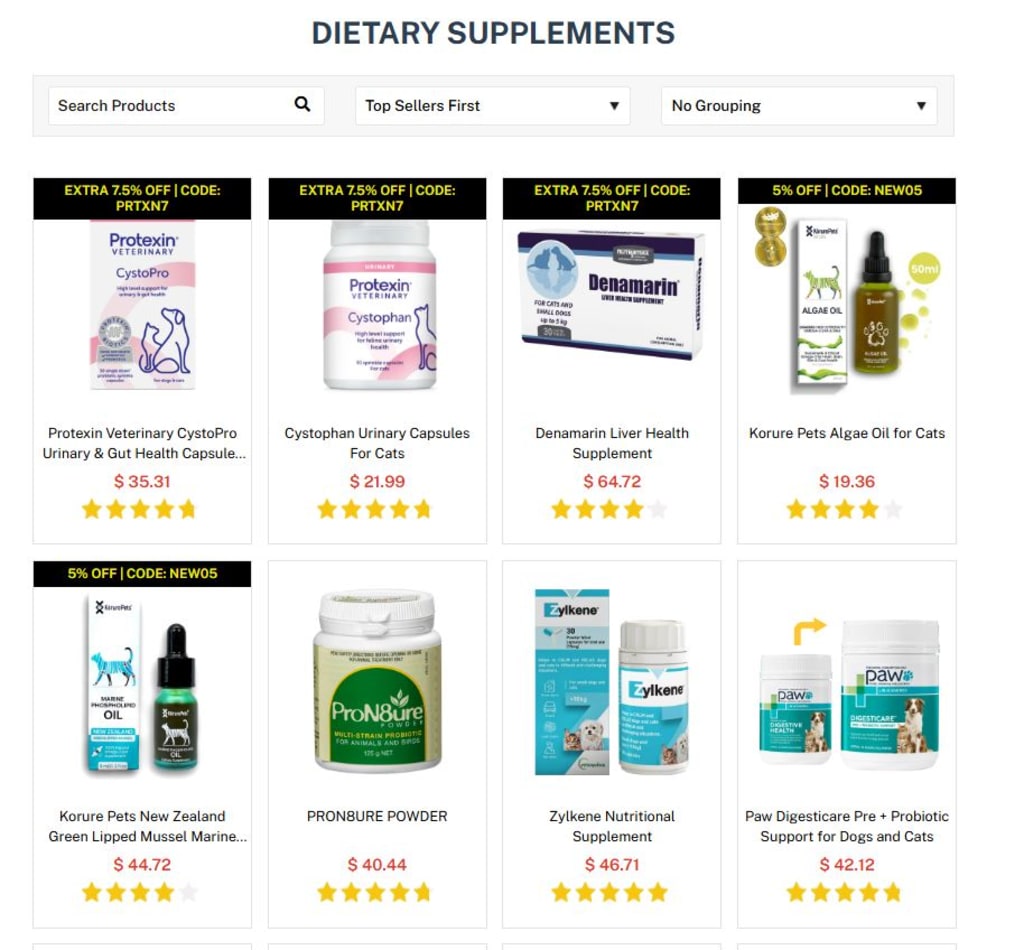
Dietary Supplements for Cats
Cats are masters at hiding discomfort. A dog may limp dramatically or whine when something feels wrong, but cats often act like tiny furry secret agents. They can suffer from nutritional deficiencies, joint discomfort, digestive issues, or skin irritation long before owners notice visible signs. That is one reason why dietary supplements for cats have become increasingly popular among pet parents who want to support their feline companion’s long-term health.
A balanced commercial cat food provides essential nutrients, but sometimes extra support is beneficial. Just like humans may take vitamins, probiotics, or fish oil supplements, cats can also benefit from targeted nutritional support depending on their age, lifestyle, and overall health condition. Indoor cats, senior cats, highly active breeds, and cats recovering from illness may all have different nutritional requirements.
The modern pet industry has evolved dramatically over the last decade. Today, cat owners are more informed and proactive about preventive healthcare. They no longer wait for problems to become severe before taking action. Supplements now play a major role in maintaining healthy joints, shiny coats, strong immunity, and proper digestion. They act like small daily investments that may help improve a cat’s quality of life over time.
Of course, not every supplement is necessary for every cat. Choosing the right product requires understanding your cat’s needs, lifestyle, and nutritional gaps. Some supplements focus on mobility, while others support urinary health, skin condition, or stress management. Understanding these differences helps pet owners make smarter choices rather than blindly purchasing trendy products.
Understanding Cat Dietary Supplements
What Are Cat Supplements?
Dietary supplements for cats are products designed to provide additional nutrients that may not be sufficiently available in a cat’s regular diet or that may support specific health concerns. These supplements can come in many forms, including powders, liquids, soft chews, capsules, tablets, and even treats. Some are intended for daily wellness support, while others target specific conditions like arthritis or digestive problems.
Think of supplements like extra tools in a health toolbox. A balanced diet forms the foundation, but supplements can provide additional support where needed. For example, senior cats may benefit from joint supplements because cartilage naturally wears down with age. Similarly, cats with dull coats may need additional omega fatty acids to improve skin hydration and fur quality.
Many supplements contain natural ingredients such as fish oil, probiotics, glucosamine, taurine, or herbal extracts. Each ingredient serves a different purpose. Omega-3 fatty acids may help reduce inflammation, probiotics support healthy digestion, and glucosamine helps maintain joint flexibility. The variety available today allows pet owners to choose highly targeted support for their cats.
One important thing to remember is that supplements are not miracle cures. They work best as part of a complete healthcare routine that includes proper nutrition, regular veterinary checkups, hydration, and exercise. Supplements support health gradually over time rather than producing instant transformations overnight.
Why Modern Cats Need Nutritional Support
Modern cats live very different lives compared to their wild ancestors. Indoor living has made cats safer from predators and accidents, but it has also created new health challenges. Limited physical activity, stress, processed diets, and obesity are now common concerns among domestic cats.
Indoor cats may become less active, which can contribute to weight gain and joint stress. Excess weight puts pressure on bones and cartilage, increasing the likelihood of mobility problems later in life. Joint support supplements may help reduce this strain and maintain flexibility as cats age.
Stress is another overlooked factor in feline health. Cats are sensitive creatures who can react strongly to environmental changes. Moving homes, introducing new pets, loud noises, or even rearranging furniture may affect their emotional well-being. Certain supplements containing calming ingredients or immune-support nutrients may help cats adapt more comfortably.
Age also changes nutritional needs. Kittens require nutrients for growth and development, while senior cats often need support for joints, kidneys, digestion, and cognitive function. As metabolism slows, older cats may absorb nutrients differently, making supplementation more valuable in certain cases.
Environmental factors matter too. Air quality, indoor allergens, and reduced exposure to natural prey diets can all influence health. Supplements help bridge nutritional gaps and support overall wellness in a world that is far different from the environments cats originally evolved in.
Common Types of Dietary Supplements for Cats
Joint Support Supplements
Joint health supplements are among the most commonly used products for aging cats. Arthritis and joint stiffness can affect cats quietly, often without dramatic symptoms. Owners may simply notice their cat jumping less often, sleeping more, or avoiding stairs.
Joint supplements typically contain ingredients like glucosamine, chondroitin, MSM, or green-lipped mussel extract. These compounds support cartilage health and help maintain comfortable movement. Think of cartilage like the cushion between moving mechanical parts. Over time, that cushion can wear thin, creating friction and discomfort.
Senior cats especially benefit from mobility support because aging naturally affects joint flexibility. Large breeds and overweight cats may also place extra pressure on their joints, increasing the need for preventive care.
Consistent supplementation often works gradually. Improvements may become noticeable over several weeks rather than immediately. Cats may appear more active, playful, and willing to climb or jump once discomfort decreases.
Skin and Coat Supplements
A cat’s coat often reflects overall health. Soft, shiny fur usually indicates good nutrition, while dull coats, excessive shedding, or flaky skin may signal nutritional imbalances or skin irritation. Skin and coat supplements aim to improve these issues from the inside out.
Omega-3 and omega-6 fatty acids are among the most important ingredients for skin health. Fish oil supplements are especially popular because they help support skin hydration and reduce inflammation. Healthy skin creates a stronger barrier against environmental irritants.
Cats with allergies may also benefit from skin-support supplements. Excessive scratching, redness, or overgrooming can sometimes improve with nutritional support combined with veterinary care. Some supplements also include biotin and zinc to support fur growth and skin repair.
A healthy coat is more than cosmetic. It acts as insulation, protects the skin, and helps regulate body temperature. When a cat’s coat improves, it often reflects broader improvements in overall wellness.
Digestive Health Supplements
Digestive health is incredibly important for cats because nutrient absorption starts in the gut. Even high-quality food cannot provide full benefits if digestion is compromised. Digestive supplements often include probiotics, prebiotics, and digestive enzymes.
Probiotics are beneficial bacteria that help maintain healthy gut balance. Imagine the digestive system as a busy ecosystem where good and bad bacteria compete constantly. Probiotics help support the “good team,” improving digestion and immune health.
Cats experiencing diarrhea, constipation, bloating, or sensitive stomachs may benefit from digestive support. Stress, sudden diet changes, antibiotics, or illness can disrupt gut balance and trigger digestive problems.
Digestive supplements may also help reduce hairball formation indirectly by improving intestinal movement and nutrient absorption. A healthier digestive system often contributes to better energy levels, appetite, and immune function.
Key Ingredients Found in Cat Supplements
Ingredient Primary Benefit
Omega-3 Fatty Acids Skin, coat, and inflammation support
Glucosamine Joint and cartilage support
Probiotics Digestive and immune health
Taurine Heart and eye health
Chondroitin Joint flexibility
Vitamins E & C Antioxidant support
Omega-3 Fatty Acids
Omega-3 fatty acids are among the most widely recommended nutrients for cats. These healthy fats help support skin hydration, coat shine, joint comfort, and cardiovascular health. Fish oil is a common source because it contains EPA and DHA, two beneficial omega-3 compounds.
Inflammation is often linked to chronic discomfort and age-related issues. Omega-3s help moderate inflammatory responses naturally, making them valuable for senior cats or pets with skin sensitivities.
Probiotics and Prebiotics
Probiotics support beneficial gut bacteria, while prebiotics serve as food for those bacteria. Together, they help maintain digestive balance. Cats with sensitive stomachs or irregular digestion often benefit from these supplements.
Healthy digestion also supports stronger immunity because much of the immune system is connected to gut health. Better gut balance can improve nutrient absorption and overall wellness.
Choosing the Right Supplement for Your Cat
Choosing supplements should never feel like random shopping. Every cat has unique needs depending on age, activity level, diet, and health condition. A kitten has very different nutritional requirements compared to a senior cat with arthritis.
Reading labels carefully is essential. Quality supplements clearly list ingredients, dosage instructions, and intended uses. Products with vague ingredient descriptions or unrealistic promises should be approached cautiously.
Veterinary guidance is always valuable before introducing supplements, especially if a cat already takes medications or has existing health conditions. Some ingredients may interact with medications or require adjusted dosages.
Conclusion
Dietary supplements for cats have become an important part of modern feline healthcare. From supporting joints and digestion to improving coat health and immunity, the right supplements can help cats live healthier and more comfortable lives.
Cats may not always show discomfort openly, which makes preventive care especially valuable. Supplements provide targeted nutritional support that complements a balanced diet and regular veterinary care. Whether caring for a playful kitten or a slowing senior cat, thoughtful supplementation may help improve overall wellness and quality of life.
The key is choosing products carefully and focusing on your cat’s specific needs rather than following trends blindly. With proper guidance and consistency, supplements can become a simple but powerful addition to your cat’s daily health routine.
FAQs
1. Do all cats need dietary supplements?
Not necessarily. Healthy cats eating balanced diets may not require supplements, but some cats benefit from additional nutritional support.
2. What are the best supplements for senior cats?
Joint supplements, omega-3 fatty acids, and digestive support products are commonly recommended for senior cats.
3. Can supplements replace proper cat food?
No. Supplements are designed to complement a balanced diet, not replace complete nutrition.
4. Are fish oil supplements safe for cats?
Fish oil supplements are generally safe when given in appropriate amounts recommended for cats.
5. How long does it take to see results from supplements?
Results vary depending on the supplement and the cat’s condition, but improvements often appear after several weeks of consistent use.
About the Creator
Thomas Muller
VetSupply is a leading online pet store in Australia with a comprehensive range of products that cater to all your pet care needs.
Enjoyed the story? Support the Creator.
Subscribe for free to receive all their stories in your feed.
Comments
There are no comments for this story
Be the first to respond and start the conversation.