
Creating a Cat-Friendly Home: Designing Spaces That Promote Comfort and Calm
Simple Design Tips to Reduce Stress and Enhance Your Cat’s Everyday Well-Being

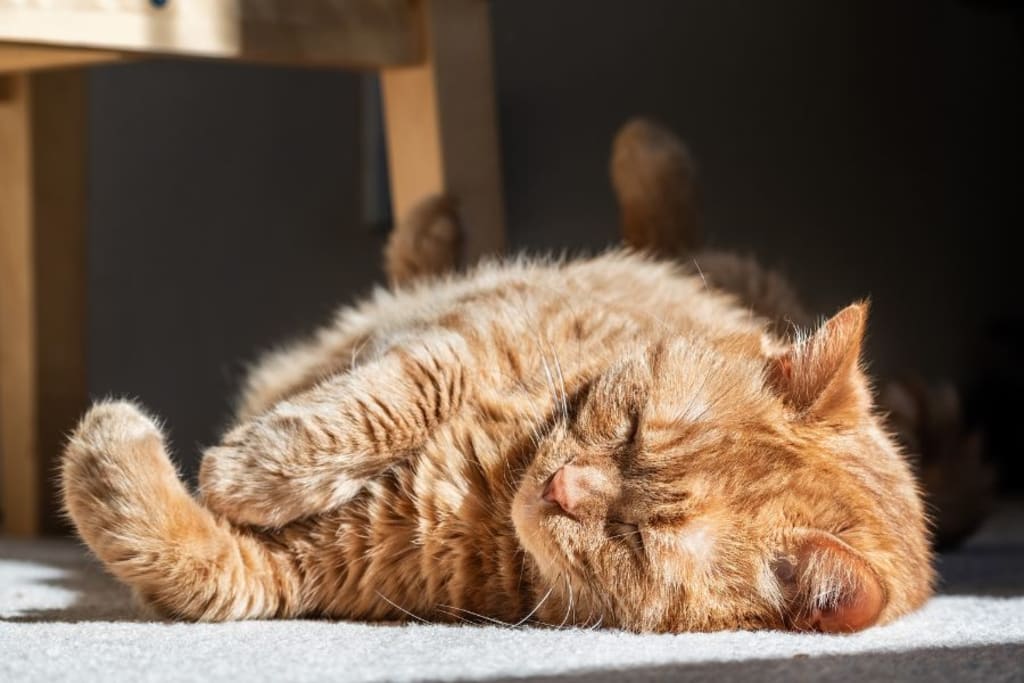
Cats may be independent by nature, but their environment plays a huge role in shaping their emotional well-being. A thoughtfully designed home can reduce stress, prevent behavioural issues, and help your feline companion feel safe, secure, and happy.
Whether you have a playful kitten or a laid-back senior cat, creating a cat-friendly space doesn’t require a complete home makeover—just a better understanding of what cats truly need.
Understanding Your Cat’s Natural Instincts
To design a calming environment, it’s important to first understand your cat’s instincts. Cats are territorial animals that value safety, routine, and control over their surroundings. In the wild, they seek high vantage points, quiet hiding spots, and safe pathways to observe their environment without feeling threatened.
When these needs aren’t met indoors, cats may develop anxiety, aggression, or destructive behaviours. The goal of a cat-friendly home is to mimic these natural preferences in a safe and enriching way.
Create Vertical Spaces for Exploration
Cats love to climb and observe from above. Vertical spaces give them a sense of control and security, especially in multi-pet households or busy homes.
Consider adding:
- Cat trees or towers
- Wall-mounted shelves or climbing systems
- Window perches
Elevated spots allow your cat to retreat when they feel overwhelmed and provide mental stimulation through observation. A simple perch near a window can keep your cat entertained for hours, watching birds, people, or passing cars.
Provide Cozy Hiding Spots
While cats enjoy being social on their own terms, they also need quiet places to retreat. Hiding spots are essential for reducing stress and giving your cat a sense of safety.
You can create these spaces with:
- Covered cat beds or igloo-style beds
- Soft blankets inside closets or quiet corners
- Boxes or enclosed furniture designed for cats
These areas are especially important during stressful situations like loud noises, visitors, or changes in routine.
Design a Stress-Free Litter Box Area
The placement and cleanliness of the litter box significantly impact your cat’s comfort. A poorly located or dirty litter box can lead to avoidance and unwanted accidents.
Keep these tips in mind:
- Place litter boxes in quiet, low-traffic areas
- Avoid placing them near food and water bowls
- Ensure easy access, especially for older cats
- Maintain cleanliness with regular scooping
If you have multiple cats, provide one litter box per cat plus one extra to prevent territorial issues.
Encourage Play and Mental Stimulation
A cat-friendly home isn’t just about comfort—it’s also about engagement. Boredom can lead to anxiety and destructive behavior, so providing opportunities for play is essential.
Incorporate:
- Interactive toys like feather wands or laser pointers
- Puzzle feeders to challenge their minds
- Rotating toys to keep things fresh and exciting
Regular play sessions not only stimulate your cat mentally but also strengthen your bond and provide a healthy outlet for their energy.
Maintain a Consistent Routine
Cats thrive on routine. Feeding, playtime, and sleep schedules that remain consistent help reduce uncertainty and anxiety.
Try to:
- Feed your cat at the same times each day
- Set aside dedicated playtime
- Avoid sudden changes in their environment
- If changes are unavoidable, introduce them gradually to minimize stress.
Control Noise and Household Stress
Cats are sensitive to noise and sudden disruptions. Loud environments can make them feel unsafe and anxious.
To create a calm atmosphere:
- Provide quiet zones away from TVs, appliances, or busy areas
- Use soft lighting instead of harsh, bright lights
- Consider calming music or white noise if your home is frequently noisy
- A peaceful environment allows your cat to relax and feel secure.
Use Scents and Familiar Items
Cats rely heavily on scent to feel comfortable. Familiar smells help them mark their territory and reduce stress.
You can support this by:
- Keeping their bedding and favorite items in place
- Avoiding strong chemical cleaners or fragrances
Introducing new items gradually
In some cases, pheromone diffusers can also help create a calming environment, especially in multi-cat households or during stressful transitions.
Create Safe Feeding Areas
Feeding time should be a stress-free experience. Place food and water bowls in a quiet, accessible location where your cat won’t feel threatened.
Some helpful tips:
- Keep feeding areas away from litter boxes
- Use shallow, wide bowls to prevent whisker fatigue
- Provide fresh water daily, preferably in multiple locations
- For added enrichment, consider using food puzzles or slow feeders.
Consider Multi-Cat Dynamics
If you have more than one cat, it’s important to design your home to reduce competition and conflict. Each cat should have access to their own resources, including food bowls, litter boxes, and resting areas.
Vertical space becomes even more important in multi-cat homes, as it allows cats to establish their own territory without confrontation.
Final Thoughts
Creating a cat-friendly home is all about understanding and respecting your cat’s natural behaviors. By providing vertical spaces, cozy hiding spots, mental stimulation, and a consistent routine, you can transform your home into a sanctuary that promotes comfort and calm.
Small changes can make a big difference in your cat’s mental and emotional well-being. A happy, relaxed cat is not only healthier but also more affectionate and engaged—making your bond even stronger.
By designing your home with your cat in mind, you’re not just improving their environment—you’re enhancing their overall quality of life.
About the Creator
Independence Veterinary Clinic
Independence Veterinary Clinic is a trusted full-service veterinary clinic in Charlotte, NC, offering expert care for dogs, cats, and exotics such as rabbits, guinea pigs, ferrets, and pocket pets.
Enjoyed the story? Support the Creator.
Subscribe for free to receive all their stories in your feed.
Comments
There are no comments for this story
Be the first to respond and start the conversation.