
Cat Carrier Training Guide: Make Vet Trips Calm and Drama-Free
Turn fear into familiarity: a step-by-step approach to helping your cat feel safe, secure, and stress-free inside their carrier

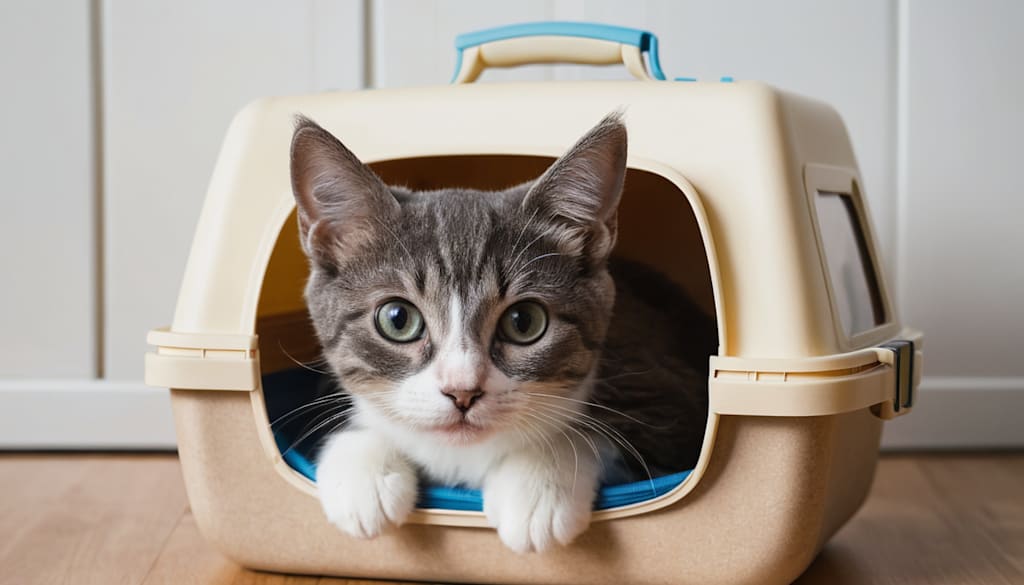
If you’ve ever tried to get a cat into a carrier, you already know—it can feel like a full-scale tactical operation. Hiding, scratching, bolting under furniture, or freezing in silent protest… cats have a way of turning a simple vet visit into a stressful event for both of you.
But here’s the truth most people miss: cats aren’t difficult—they’re defensive. The carrier often only appears right before something unpleasant (like a vet visit), so your cat naturally associates it with fear. The good news? With the right strategy, you can completely change that association.
This guide will show you how to train your cat to accept—even like—their carrier. No force. No drama. Just smart conditioning and patience.
________________________________________
Why Cats Hate Carriers (And Why That’s Fixable)
Cats are creatures of habit and territory. The carrier represents:
• Loss of control
• Unfamiliar movement and smells
• Past stressful experiences
• Being confined without escape
From your cat’s perspective, it’s not just a box—it’s a warning sign.
The key to solving this is simple:
You must turn the carrier from a “threat signal” into a “safe zone.”
________________________________________
Step 1: Leave the Carrier Out All the Time
This is the most important step—and most people skip it.
If the carrier only appears before a vet visit, your cat will instantly connect the dots. Instead:
• Keep the carrier out in your home 24/7
• Place it in a calm, familiar area
• Remove the door (if possible) at first
You want your cat to see the carrier as just another piece of furniture.
Goal: Neutral exposure. No pressure. No expectations.
________________________________________
Step 2: Make It Comfortable and Familiar
Right now, the carrier probably smells like plastic and past stress. Fix that.
Add:
• A soft blanket your cat already uses
• Something with your scent (like a worn T-shirt)
• A favorite toy
You’re creating a scent bridge between safety and the carrier.
Pro tip: Cats rely heavily on smell. Familiar scents = reduced anxiety.
________________________________________
Step 3: Use Food as a Positive Trigger
Cats may be independent, but food is powerful motivation.
Start slowly:
• Place treats near the carrier
• Then just inside the entrance
• Gradually move them deeper inside
Never force your cat in. Let curiosity and reward do the work.
Once comfortable:
• Feed regular meals near or inside the carrier
• Eventually place the bowl fully inside
Goal: The carrier becomes associated with something your cat wants.
________________________________________
Step 4: Create Voluntary Entry
At this stage, your cat should start entering the carrier on their own.
When they do:
• Stay calm—don’t rush or close the door
• Let them explore and leave freely
• Reward with treats or gentle praise
This builds confidence and removes the “trap” feeling.
________________________________________
Step 5: Introduce the Door Gradually
Now you begin desensitization to confinement.
• Reattach the door but leave it open
• Let your cat go in and out freely
• Occasionally move the door slightly without closing it
Then:
• Close the door briefly (1–2 seconds)
• Open it before your cat reacts
• Reward immediately
Gradually increase the duration.
Important: Always release before panic starts. You’re building trust, not testing limits.
________________________________________
Step 6: Practice Lifting and Moving
Even if your cat accepts being inside, movement is a separate trigger.
Start small:
• Lift the carrier slightly off the ground
• Set it down immediately
• Reward calm behavior
Then:
• Take a few steps
• Walk around the room
• Eventually carry to another room
Keep sessions short and positive.
________________________________________
Step 7: Simulate the Real Experience
Before an actual vet trip, do practice runs.
• Place your cat in the carrier
• Carry them to your car
• Sit inside for a few minutes (engine off at first)
• Return home and reward
Later:
• Turn the engine on
• Take very short drives (2–5 minutes)
This prevents your cat from associating car rides only with the vet.
________________________________________
Step 8: Stay Calm—Your Cat Reads You
Cats are extremely sensitive to your emotional state.
If you’re tense, rushed, or frustrated, your cat will feel it.
Before handling your cat:
• Slow down your breathing
• Move deliberately, not urgently
• Speak softly
Your calm presence becomes part of the training.
________________________________________
Step 9: Avoid Common Mistakes
Let’s be direct—these will undo your progress:
1. Forcing your cat into the carrier
This confirms their fear.
2. Only using the carrier for vet visits
You reinforce negative associations.
3. Rushing the process
Training too fast creates setbacks.
4. Punishing resistance
This damages trust and increases anxiety.
________________________________________
Step 10: Use the Right Carrier
Not all carriers are equal. Look for:
• Top-loading option (huge advantage for vet visits)
• Good ventilation
• Sturdy structure (not flimsy fabric)
• Easy to clean interior
Hard-sided carriers with both front and top openings are usually the best choice.
________________________________________
Bonus: For Extremely Resistant Cats
If your cat already panics at the sight of the carrier, start even slower:
• Keep the carrier far away at first
• Gradually move it closer over days
• Reward calm behavior near it
You can also:
• Use pheromone sprays inside the carrier
• Cover the carrier with a light blanket (creates a den-like feel)
In severe cases, consult your vet about mild calming aids.
________________________________________
What Success Looks Like
A trained cat doesn’t necessarily love the carrier—but they:
• Enter willingly or without resistance
• Stay calm when the door is closed
• Tolerate movement and short travel
• Recover quickly after the trip
That’s a huge win.
________________________________________
Realistic Timeline
Don’t expect overnight results.
• Curious cats: a few days to a week
• Average cats: 2–3 weeks
• Anxious cats: 4+ weeks
Consistency beats speed every time.
________________________________________
You’re Rewriting the Story
Right now, your cat’s story about the carrier is simple:
“Carrier = danger.”
Your job is to rewrite it into:
“Carrier = safe, familiar, and sometimes even rewarding.”
That doesn’t happen through force—it happens through repetition, patience, and smart conditioning.
If you stick with this process, something surprising will happen:
One day, your cat will walk into the carrier on their own…
and you’ll realize the struggle is over.
About the Creator
Algieba
Curious observer of the world, exploring the latest ideas, trends, and stories that shape our lives. A thoughtful writer who seeks to make sense of complex topics and share insights that inform, inspire, and engage readers.
Enjoyed the story? Support the Creator.
Subscribe for free to receive all their stories in your feed. You could also become a paid subscriber, letting them know you appreciate their work.
Comments
There are no comments for this story
Be the first to respond and start the conversation.