
Can I Pet That Dog?
Why asking before petting a dog is a small act of respect that protects both people and pets

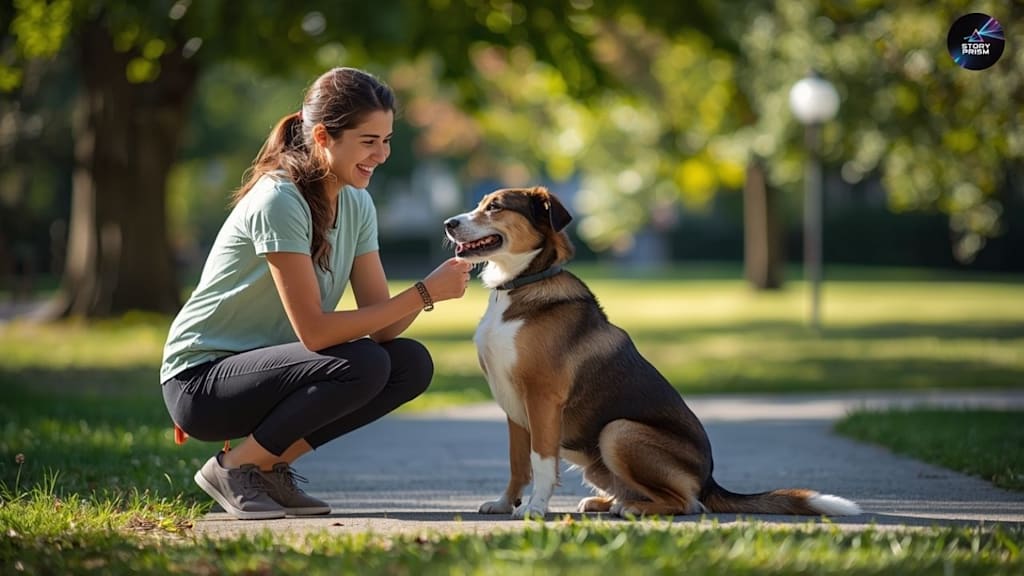
“Can I pet that dog?” It’s a short, almost instinctive question, yet it carries more importance than most people realize. Whether you’re walking through a park, visiting a friend, or passing a stranger on the street, asking permission before approaching a dog is one of the simplest ways to show respect—for both the animal and its owner. In a world where dogs are often treated like public attractions, this small act of courtesy can make a huge difference in safety, comfort, and trust.
Dogs, just like humans, have boundaries. Some are friendly and eager for attention, while others may feel anxious, fearful, or even protective in unfamiliar situations. By asking, “Can I pet that dog?” you acknowledge that not every dog wants interaction. This question gives the owner a chance to assess whether the situation is appropriate and safe. It’s not just polite—it’s responsible.
One of the biggest misconceptions people have is that a wagging tail always means a dog is happy and open to being touched. In reality, canine body language is more complex. A dog might wag its tail when it’s nervous, overstimulated, or unsure. Without understanding these signals, approaching a dog uninvited can lead to stress or even defensive behavior. Asking first eliminates guesswork and reduces the risk of unwanted incidents.
For dog owners, hearing someone ask permission is often a relief. It shows that the person respects their role as the dog’s caretaker. Some dogs are in training, recovering from trauma, or simply not comfortable around strangers. Others may be service animals performing critical tasks and should not be distracted. When you ask before petting, you allow the owner to communicate these important details, preventing misunderstandings and protecting the dog’s well-being.
Children, in particular, benefit from learning this habit early. Teaching kids to ask, “Can I pet that dog?” helps them develop empathy and awareness. It reinforces the idea that animals are living beings with feelings—not toys or objects for entertainment. This lesson extends beyond dogs and shapes how children interact with all animals throughout their lives.
Even when the answer is “yes,” how you approach the dog matters. Always move calmly and avoid sudden gestures. Let the dog come to you instead of reaching out immediately. Offering your hand for the dog to sniff is a respectful way to introduce yourself. Gentle petting on the shoulders or back is usually more comfortable than touching the face or head, especially for unfamiliar dogs. These small adjustments can turn a potentially stressful moment into a positive interaction.
On the other hand, you should always be prepared to accept a “no.” Not every dog is in the mood for attention, and not every situation is suitable for interaction. Respecting that answer without argument is just as important as asking the question itself. It shows maturity and understanding, reinforcing trust between people and pet owners in public spaces.
Interestingly, this simple question has gained popularity online, often used humorously in videos and memes. While the phrase may sound lighthearted, its underlying message remains serious. It’s a reminder that kindness and awareness should guide our interactions—not just with animals, but with each other.
Beyond safety, asking permission fosters better relationships between communities and dog owners. Public spaces become more harmonious when people respect boundaries. Dog owners feel more comfortable bringing their pets out, and non-owners gain confidence in interacting with dogs in a safe, controlled manner. It creates a shared understanding that benefits everyone involved.
In many ways, “Can I pet that dog?” represents a broader principle: consent. Just as we value personal space and choice in human interactions, animals deserve the same consideration. This mindset shifts the way we see pets—from passive companions to individuals with their own needs and preferences.
The next time you see a dog that catches your attention, pause for a moment. Instead of reaching out immediately, ask the question. It may seem small, but it reflects awareness, respect, and care. In that brief exchange, you’re not just preventing potential problems—you’re building a safer and more compassionate environment for both humans and animals.
About the Creator
Enjoyed the story? Support the Creator.
Subscribe for free to receive all their stories in your feed.
Comments
There are no comments for this story
Be the first to respond and start the conversation.