
Beyond Grooming: The Real Importance of Cat Coat Care
Discover how proper fur maintenance supports your cat’s health, comfort, and happiness

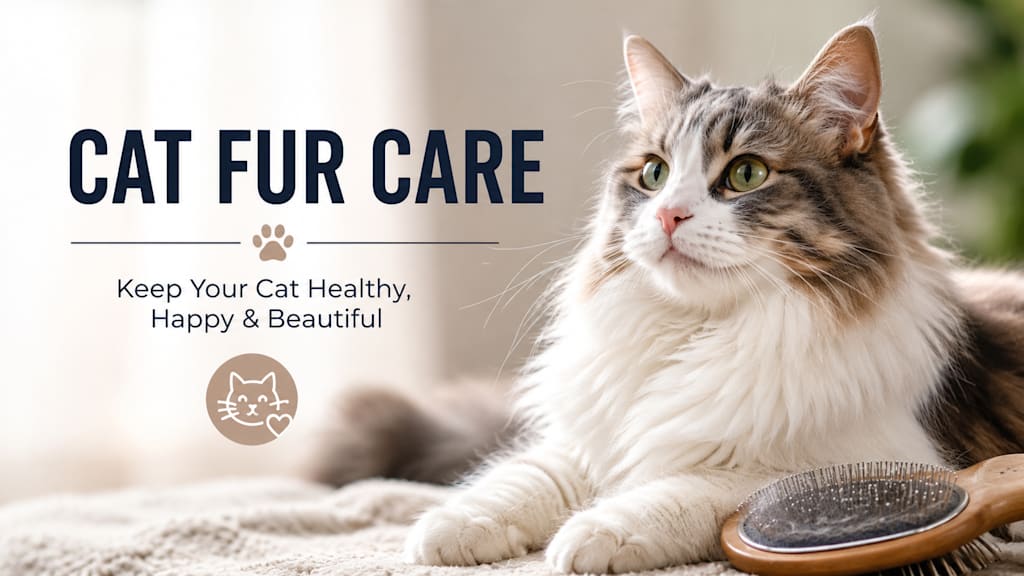
A cat’s coat is far more than a layer of soft fur. It reflects overall health, emotional well-being, nutrition, and even environmental conditions. Whether you share your home with a long-haired Persian, a sleek Siamese, or an energetic domestic shorthair, proper fur care plays a critical role in maintaining your cat’s comfort and long-term health.
Many cat owners assume that felines naturally take care of their own grooming needs. While cats are famously clean animals, self-grooming alone is not always enough. Hair mats, excessive shedding, dry skin, parasites, poor diet, and seasonal coat changes can all affect the condition of a cat’s fur. Responsible grooming routines can prevent discomfort, reduce health risks, and strengthen the bond between owner and pet.
Why Fur Care Matters
A healthy coat serves several important functions. It helps regulate body temperature, protects the skin from environmental damage, and acts as a barrier against dirt and bacteria. Changes in a cat’s fur often signal deeper health issues. Dullness, excessive shedding, bald patches, or flaky skin may indicate stress, allergies, poor nutrition, or underlying medical conditions.
Cats that receive regular coat maintenance are generally more comfortable and less prone to skin irritation. Grooming also helps owners notice unusual lumps, scratches, parasites, or infections before they become serious problems.
In addition, fur care greatly reduces the amount of loose hair around the home and minimizes hairballs, which are especially common in long-haired breeds.
Understanding Different Coat Types
Not all cats require the same grooming routine. Coat type determines how often brushing and maintenance should occur.
Short-Haired Cats
Short-haired cats are relatively easy to maintain. Weekly brushing is usually enough to remove loose hair and distribute natural skin oils evenly across the coat. Despite their lower maintenance needs, regular grooming still benefits circulation and reduces shedding.
Long-Haired Cats
Long-haired breeds require significantly more attention. Their fur tangles easily and can quickly develop painful mats if neglected. Daily brushing is often necessary to prevent knots, especially around the neck, belly, and legs.
Matted fur can trap dirt, moisture, and bacteria against the skin, leading to infections and discomfort. Severe matting may even restrict movement or cause skin inflammation.
Double-Coated Cats
Some breeds possess dense undercoats that shed heavily during seasonal transitions. These cats benefit from specialized grooming tools designed to remove loose undercoat hair without damaging the topcoat.
Understanding your cat’s coat structure is the foundation of an effective grooming routine.
The Importance of Regular Brushing
Brushing is one of the most valuable habits for maintaining a healthy coat. It removes dead hair, stimulates blood circulation, spreads natural oils, and helps prevent tangles.
For many cats, brushing also becomes a calming social activity that strengthens trust between pet and owner. However, introducing grooming slowly is important, especially for kittens or rescue cats unfamiliar with handling.
Choosing the Right Brush
Different brushes serve different purposes:
Slicker brushes help remove loose hair and small tangles.
Bristle brushes smooth the coat and distribute oils.
Wide-tooth combs are useful for long-haired cats.
Deshedding tools help during heavy seasonal shedding.
Using the wrong brush can irritate the skin or damage the coat, so selecting tools suited to your cat’s fur type matters greatly.
Bathing: Necessary or Not?
Unlike dogs, most cats rarely need full baths. Cats naturally groom themselves efficiently, and excessive bathing may strip essential oils from the skin.
However, occasional bathing may be necessary in certain situations:
- Severe dirt or grease buildup
- Flea infestations
- Medical skin treatments
- Elderly or obese cats unable to groom properly
- Exposure to toxic substances
When bathing a cat, always use shampoos specifically formulated for felines. Human products can disrupt skin pH levels and cause irritation.
Warm water, a calm environment, and gentle handling can reduce stress during bathing. Drying the coat thoroughly afterward is also essential, especially for long-haired cats.
Nutrition and Coat Health
One of the biggest factors influencing fur quality is diet. A shiny, soft coat usually reflects balanced nutrition, while brittle or thinning fur often signals deficiencies.
Protein is especially important because hair is primarily made of keratin, a structural protein. Omega-3 and omega-6 fatty acids also support healthy skin and reduce inflammation.
High-quality cat food containing essential vitamins, minerals, and healthy fats can dramatically improve coat condition over time.
Hydration matters as well. Cats that do not drink enough water may develop dry skin and poor coat texture. Wet food can help increase moisture intake, especially for cats reluctant to drink from bowls.
Managing Shedding and Hairballs
Shedding is completely natural, particularly during seasonal changes. However, excessive shedding may indicate stress, illness, or nutritional imbalance.
Frequent brushing is the most effective way to manage loose fur before cats swallow it during self-grooming. Hairballs form when ingested hair accumulates in the digestive tract instead of passing naturally.
To reduce hairballs:
- Brush your cat regularly
- Provide adequate hydration
- Offer fiber-rich diets when recommended
- Encourage physical activity
Some cats benefit from specially formulated hairball-control foods or veterinarian-approved supplements.
Recognizing Warning Signs
A cat’s coat can reveal important health information. Owners should pay attention to symptoms such as:
- Bald patches
- Excessive scratching
- Greasy fur
- Strong odor
- Skin redness
- Flaking or dandruff
- Sudden changes in shedding patterns
These signs may point to allergies, parasites, fungal infections, hormonal disorders, or stress-related overgrooming. Early veterinary attention can prevent more serious complications.
Creating a Stress-Free Grooming Routine
Cats are sensitive animals, and forcing grooming sessions can create fear and resistance. Positive reinforcement is far more effective than restraint or punishment.
Helpful strategies include:
- Keeping sessions short initially
- Grooming during calm moments
- Offering treats afterward
- Speaking softly
- Allowing the cat to inspect grooming tools
Consistency builds familiarity. Over time, many cats begin to enjoy grooming as part of their daily routine.
Final Thoughts
Proper fur care is not simply about appearance. It directly affects a cat’s health, comfort, hygiene, and emotional well-being. Through regular brushing, balanced nutrition, hydration, and attentive observation, cat owners can prevent many common coat-related problems before they escalate.
A healthy coat is often one of the clearest signs of a thriving cat. Investing time in grooming is therefore not just a cosmetic effort—it is an important act of care and responsibility.
For cat lovers, few things are more satisfying than seeing a relaxed, healthy feline with a soft, glossy coat. With patience and consistent care, every owner can help their cat look and feel its very best.
About the Creator
Valor Renewal Intelligent Alliance Office
Valor Renewal Intelligent Alliance Office supports growth driven by wisdom and values.
Enjoyed the story? Support the Creator.
Subscribe for free to receive all their stories in your feed.
Comments
There are no comments for this story
Be the first to respond and start the conversation.