
Behavioral Compatibility Testing: Choosing the Right Second Cat
How to safely evaluate personality match, reduce conflict risk, and increase the chance of a peaceful multi-cat household

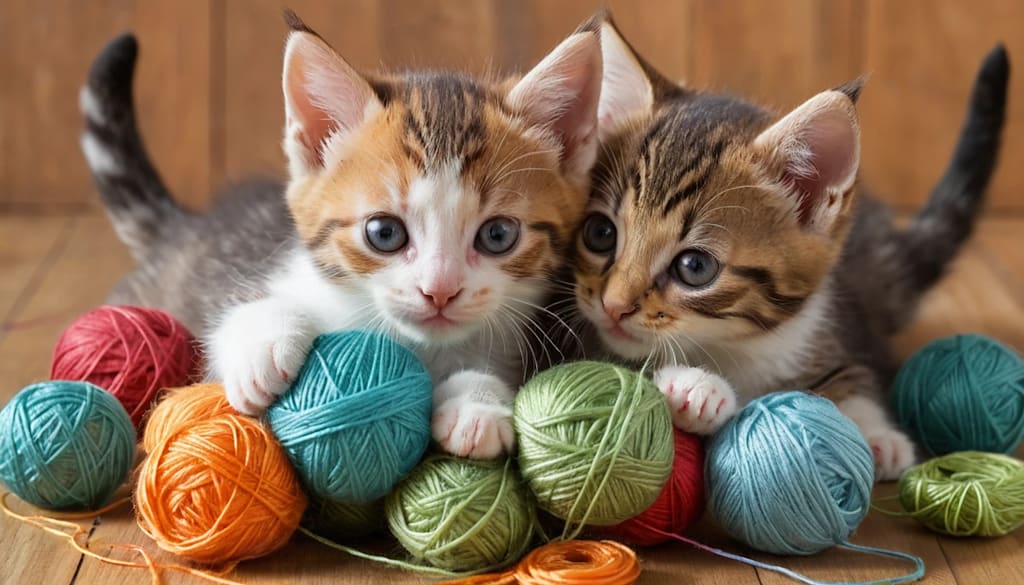
Adding a second cat is not just about doubling companionship—it’s about building a stable social system inside your home. And unlike popular belief, cats are not automatically social “pack” animals. Some adapt easily. Others never fully accept a newcomer.
Behavioral compatibility testing is the structured way to predict whether two cats will coexist peacefully before fully committing to long-term cohabitation.
Done right, it prevents stress, aggression, and long-term territorial conflict. Done poorly, it creates months of tension—or permanent hostility.
________________________________________
1. Why Cat Compatibility Is Not Random
Cats are territorial and resource-sensitive animals. Their social tolerance depends on:
• early socialization (kittenhood exposure to other cats)
• personality traits (bold vs cautious)
• stress threshold
• territorial confidence
• prior experiences with other cats
Two friendly cats in separate environments can become incompatible when forced to share:
• space
• food resources
• human attention
• scent territory
Compatibility is not about “nice personality”—it is about how each cat processes stress and space sharing.
________________________________________
2. Core Compatibility Dimensions
Veterinary behaviorists usually evaluate compatibility across five dimensions:
1. Sociability Level
• Highly social cats: seek interaction, tolerate closeness
• Neutral cats: coexist without engagement
• Solitary cats: prefer distance and control
Mismatch example:
• social cat + highly solitary cat → frequent frustration
________________________________________
2. Energy Level
Energy imbalance is one of the most common causes of conflict.
• high-energy cat → constant play seeking, chasing
• low-energy cat → avoidance, stress response
If one cat cannot disengage, tension builds quickly.
________________________________________
3. Dominance vs Avoidance Style
Cats don’t form dominance hierarchies like dogs, but they do show:
• resource guarding behavior
• spatial control behavior
• avoidance vs confrontation styles
Key risk pairing:
• confrontational cat + non-assertive cat → chronic intimidation
________________________________________
4. Sensory Sensitivity (Stress Reactivity)
Some cats are easily overwhelmed by:
• new smells
• movement
• sound
• presence of other animals
High-reactivity cats often need slower introductions and more space buffering.
________________________________________
5. Play Style Compatibility
Play is a major predictor of conflict.
• chase-heavy play
• wrestling play
• object-based play
• solitary play
Mismatch can lead to:
• misinterpreted aggression
• overstimulation
• defensive behavior
________________________________________
3. Pre-Adoption Compatibility Testing (Ideal Scenario)
The safest method is controlled pre-adoption exposure.
This typically happens in:
• shelters
• foster homes
• rescue organizations
What to observe:
• body posture (relaxed vs tense)
• tail movement (loose vs stiff)
• approach behavior (curiosity vs avoidance)
• vocalization patterns
• recovery after stress exposure
Positive indicators:
• neutral curiosity without tension
• ability to disengage without panic
• relaxed grooming after interaction
Warning signs:
• freezing posture
• sustained staring
• blocking pathways
• repeated hissing or growling under mild exposure
Important: a single negative interaction is not decisive. You are looking for trend behavior across multiple short sessions.
________________________________________
4. Scent-Only Compatibility Testing (Low Risk Method)
Before visual introduction, scent testing is the safest predictor step.
Method:
• swap bedding or blankets
• rotate scratching posts
• exchange towels rubbed on each cat
• place objects in neutral space
Positive response:
• sniffing then ignoring
• relaxed posture
• sleeping near scented object
Negative response:
• aggressive scratching at object
• avoidance of entire area
• persistent marking behavior
Scent response is often more honest than visual interaction.
________________________________________
5. Controlled Visual Introduction (Through Barrier)
Next phase is visual access without physical contact:
• glass door
• baby gate
• crate separation
What to watch:
• ability to remain calm at distance
• curiosity without fixation
• absence of stalking posture
Red flags:
• persistent crouching and stalking
• blocking exits
• vocal escalation over time
A key insight from behaviorists:
Calm observation is more predictive of success than immediate friendliness.
________________________________________
6. Neutral Territory Test (Advanced Method)
For higher confidence, introduce cats in a completely new environment.
Why this works:
• no established territorial ownership
• reduced defensive behavior
• both cats start “equal”
But this must be controlled:
• short duration (10–30 minutes)
• escape routes available
• no forced interaction
This method is often used by professionals in structured introductions.
________________________________________
7. Interpreting “Mixed Signals”
Cats often show confusing combinations:
• sniffing then hissing
• curiosity followed by retreat
• play signals mixed with tension
Key principle:
The first emotional reaction is less important than recovery speed.
Fast recovery = good adaptability
Slow recovery = high stress sensitivity
________________________________________
8. Compatibility Red Flags (High Risk Pairings)
Some combinations are inherently harder:
• kitten (high energy) + elderly cat (low tolerance)
• highly territorial adult + new adult male cat
• anxious cat + extremely playful cat
• food-guarding cat + free-feeding environment
These are not impossible matches—but they require structured management, not casual introduction.
________________________________________
9. Green Flags (High Success Probability)
Pairings with strong long-term success indicators:
• similar energy levels
• both previously exposed to other cats
• neutral or mildly curious first reactions
• ability to disengage without aggression
• shared resting proximity after short time
One of the strongest predictors:
sleeping in the same room without tension within the first weeks (not necessarily together)
________________________________________
10. The Role of Human Behavior in Compatibility
Many conflicts are not cat-driven—they are environment-driven.
Common human mistakes:
• introducing too fast
• forcing proximity
• removing escape routes
• rewarding aggressive chasing unintentionally
• inconsistent routines
Cats rely heavily on environmental predictability to reduce threat perception.
________________________________________
Behavioral compatibility is not about finding “perfect cats.” It is about identifying pairs that can regulate stress together without escalation.
The most important shift in thinking is this:
Success is not immediate friendship—it is absence of persistent threat perception.
If two cats can share space without fear, their relationship can evolve over time into tolerance, and sometimes genuine companionship.
About the Creator
Algieba
Curious observer of the world, exploring the latest ideas, trends, and stories that shape our lives. A thoughtful writer who seeks to make sense of complex topics and share insights that inform, inspire, and engage readers.
Enjoyed the story? Support the Creator.
Subscribe for free to receive all their stories in your feed. You could also become a paid subscriber, letting them know you appreciate their work.
Comments
There are no comments for this story
Be the first to respond and start the conversation.