
Balancing Homemade Cat Meals: Essential Nutrients and Vet Nutritionist Advice
How to safely prepare nutritious homemade cat food that supports long-term health, energy, and disease prevention—without missing critical nutrients

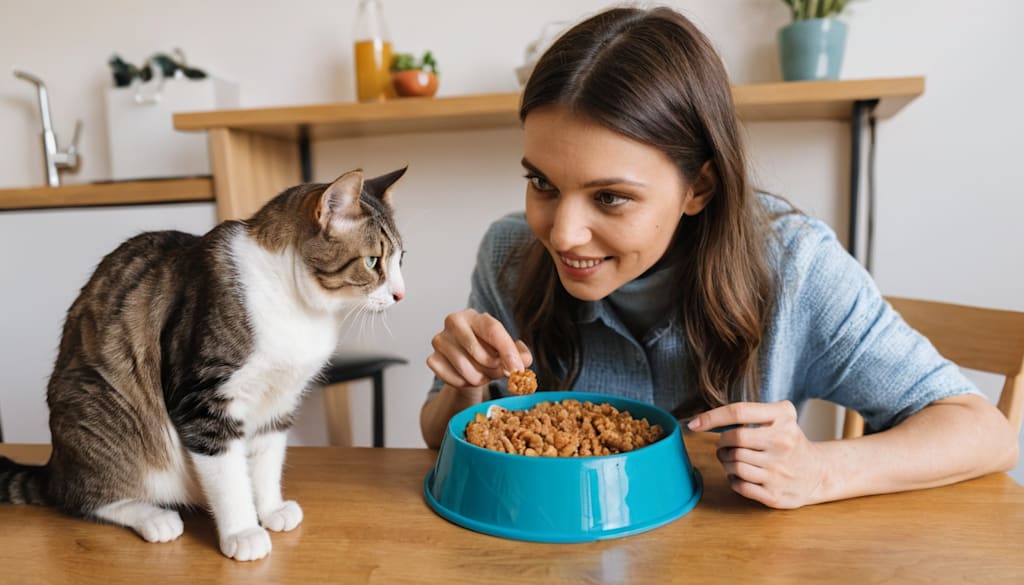
Homemade cat food can feel like a deeply caring choice. You see every ingredient, you control quality, and you avoid highly processed commercial diets. But there’s a hard truth many cat owners don’t realize early enough: cats are not small humans, and even small nutritional mistakes in homemade diets can lead to serious health problems over time.
Unlike dogs, cats are obligate carnivores, which means their bodies are biologically designed to rely on nutrients found only in animal tissue. A bowl that looks “healthy” to us—chicken and rice, or meat with vegetables—is often dangerously incomplete for a cat.
This guide breaks down what actually matters in homemade cat nutrition, how vet nutritionists approach balanced feline diets, and how to avoid the most common (and costly) mistakes.
________________________________________
Why Homemade Cat Food Is So Easy to Get Wrong
The biggest misconception is thinking that feeding meat alone is enough. While meat is essential, it does not automatically contain all required nutrients in correct ratios.
A properly balanced feline diet must control:
• Protein quality and amino acid balance
• Fat composition (especially essential fatty acids)
• Vitamins and minerals in precise amounts
• Calcium-to-phosphorus ratio
• Taurine levels
• Water intake and moisture balance
Even a “healthy” homemade diet can become harmful if one or two nutrients are missing over time.
Common outcomes of unbalanced diets include:
• Heart disease (especially dilated cardiomyopathy from taurine deficiency)
• Blindness or vision problems
• Bone weakness and fractures
• Kidney stress
• Muscle wasting despite normal calorie intake
Cats often look fine until damage is advanced. That’s what makes this so dangerous.
________________________________________
The Core Nutritional Foundation for Cats
Veterinary nutritionists usually build diets around a few non-negotiable pillars.
1. Animal Protein (The Foundation of Everything)
Cats rely on protein not just for muscle, but for energy. They use amino acids differently than humans.
Key amino acids:
• Taurine (critical for heart and eye health)
• Arginine (detoxification of ammonia)
• Methionine and cysteine (skin, coat, metabolism)
Unlike dogs or humans, cats cannot efficiently synthesize these on their own.
Best protein sources:
• Chicken thigh or breast
• Turkey
• Rabbit
• Beef (in moderation)
• Liver (carefully dosed)
Important: Muscle meat alone is not enough long-term.
________________________________________
2. Taurine (Non-Negotiable Nutrient)
Taurine is one of the most critical nutrients in feline nutrition.
Cats cannot produce enough taurine internally, so it must come from diet.
Deficiency can lead to:
• Irreversible heart disease (dilated cardiomyopathy)
• Retinal degeneration and blindness
• Reproductive failure
Heat also destroys taurine, so cooking reduces natural levels significantly.
Most vet-formulated homemade diets include taurine supplementation rather than relying on raw meat alone.
________________________________________
3. Fat and Essential Fatty Acids
Fat is not just energy—it’s structural for cells and hormones.
Cats need:
• Omega-6 fatty acids (skin, coat, immune system)
• Omega-3 fatty acids (anti-inflammatory effects, brain health)
Sources:
• Chicken fat
• Fish oil (salmon oil commonly used)
• Small amounts of animal fats from meat
Too little fat leads to dry coat, poor healing, and low energy. Too much can cause digestive issues.
________________________________________
4. Calcium and Phosphorus Balance (Critical Structural Health)
This is one of the most commonly misunderstood areas in homemade feeding.
Meat is high in phosphorus but low in calcium.
If you feed only meat without calcium:
• Bones weaken over time
• Growth problems in kittens
• Metabolic bone disease in adults
Veterinarians aim for a calcium-to-phosphorus ratio of about 1.1–1.3 : 1
Calcium sources:
• Ground eggshell powder
• Bone meal (carefully measured)
• Commercial feline calcium supplements
Never guess this ratio. It must be precise.
________________________________________
5. Vitamins A, D, and E
These fat-soluble vitamins are essential—but dangerous if misused.
• Vitamin A: vision, immune function (cats cannot convert plant carotene efficiently)
• Vitamin D: calcium metabolism, bone health
• Vitamin E: antioxidant protection, prevents fat oxidation issues
Liver is rich in vitamin A, but too much can cause toxicity and bone deformities.
This is why “more liver is better” is a dangerous myth.
________________________________________
6. B Vitamins (Energy and Nervous System Health)
Cats require consistent intake of:
• B1 (thiamine)
• B2 (riboflavin)
• B3 (niacin)
• B12 (cobalamin)
Cooking destroys many B vitamins, so supplementation is often required in homemade diets.
________________________________________
7. Water and Hydration
Cats naturally have a low thirst drive. In the wild, they get most moisture from prey.
Dry diets often contribute to:
• Kidney disease
• Urinary crystals
• Dehydration
Homemade food has a major advantage here—it can be moisture-rich, which supports urinary health.
________________________________________
Vet Nutritionist Perspective: Why Precision Matters
Veterinary nutritionists don’t “eyeball” recipes. They use formulations based on:
• NRC (National Research Council) guidelines
• AAFCO nutrient profiles
• Individual cat health conditions (age, weight, disease)
Even small deviations matter over time.
A diet that is:
• 10% low in taurine
• slightly calcium deficient
• or too rich in liver
…can create health issues months or years later, not immediately.
That delayed effect is what makes homemade feeding risky without proper structure.
About the Creator
Algieba
Curious observer of the world, exploring the latest ideas, trends, and stories that shape our lives. A thoughtful writer who seeks to make sense of complex topics and share insights that inform, inspire, and engage readers.
Enjoyed the story? Support the Creator.
Subscribe for free to receive all their stories in your feed. You could also become a paid subscriber, letting them know you appreciate their work.
Comments
There are no comments for this story
Be the first to respond and start the conversation.