
7 Ways To Make Your Dog Smarter & Happier
Expert tips to boost your dog's mood and engage their mind
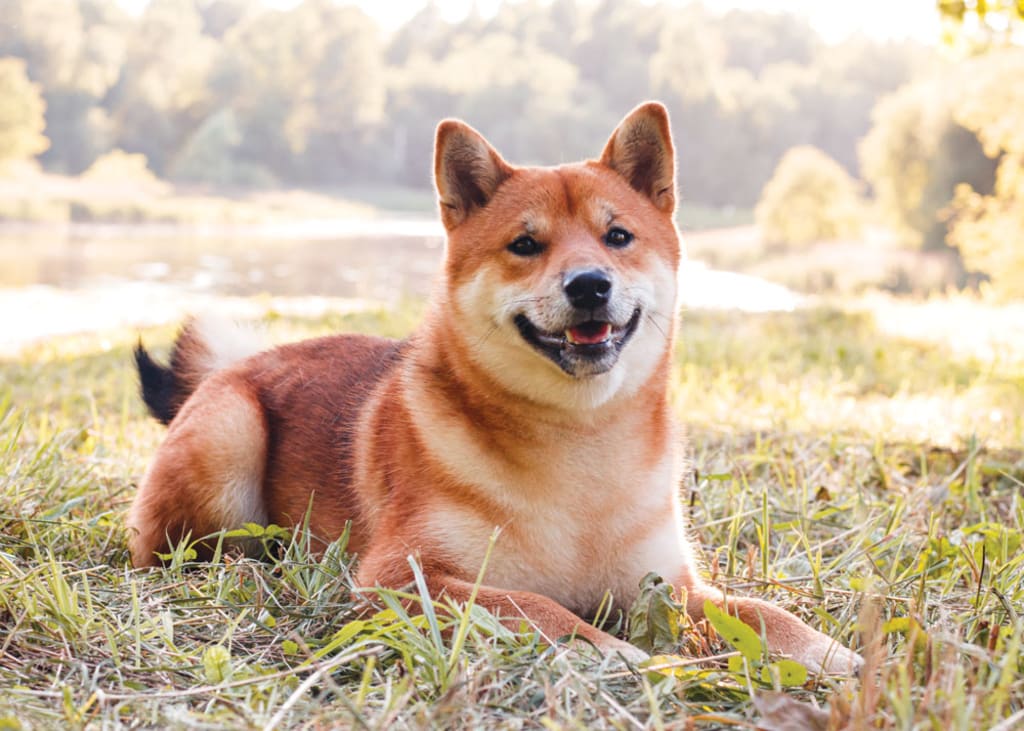
#1 Permit your canine a chance to pause and smell. Your canine "sees" the world generally through his olfactory faculties. The piece of the canine's cerebrum liable for handling fragrance is roughly 40% bigger than a human's. Also, they have up to 300 million aroma receptors, contrasted with our similarly pitiful 6,000,000. Strolls aren't just about actual activity, they're about mental feeling as well.
⇒ Star Tip: bring tiny treats (you can split them up) or kibble with you and disperse it in the grass, permitting your canine to utilize her nose to scavenge.
#2 Hang out. For the well-being of both of you, don't spend your strolls on autopilot — or your telephone. A 2019 study charged by Forward knoll Normal Pet Food tracked down that close to 66% of U.K. canine proprietors couldn't turn off from screen time while on canine strolls. The overview of 1,500 canine individuals found that 63% routinely utilize their telephone while out on canine strolls to send messages (50%), visit with companions (48%), browse work messages (27%), post via virtual entertainment (26%), shop on the web (14%), and even utilize web-based dating applications (7%). All things being equal, participate in care work, zeroing in on the sights and sounds on your walk. Time in nature has been displayed to work on your mindset — however, provided that you're adequately available to receive the rewards. A review revealed in the Diary of Ecological Brain research carved out that opportunity in nature possibly predicts prosperity when people are likewise genuinely sensitive to nature's excellence.
⇒ Star Tip: Leave your telephone at home. Assuming that your canine is excessively fired up, pulling, or woofing, bring some high-reward treats and shut down each couple of speeds to request a way of behaving, even a "sit." This will assist your canine with drawing in his mind and centering his energy rather than simply charging ahead. It's the excursion, not the objective, all things considered.
#3 Investigate new courses — even only one block over gives new sights and fragrances.
⇒ Expert Tip: You don't have to wander far. Walk a similar course however, set out toward the path you typically finish in. Or then again just change to the opposite side of the road. Indeed, even small changes permit us to be more sensitive to our environmental factors and in this way more present, while giving a new landscape to our little guys.
#4 Sets words with dependable results. There's a valid justification your canine knows "treat," "walk," and maybe even "cheddar" — they generally bring about a similar result (i.e., being given a treat or going for a stroll). Grow your canine's jargon by dependably matching more words with results. A couple to attempt: "vehicle," "sleep time," and even expressions like, "Would you like to come?"
#5 Continue to prepare meetings fun — and short. The typical grown-up canine can stay centered for as long as 30 minutes all at once, says Stanley Coreen, Brain science Teacher, neuropsychological analyst, and author on the knowledge, mental capacities, and history of canines. For young doggies, that drops to under a moment. "At close to a half year, a little dog can hold center around something intriguing for 30 to 45 seconds before center meanders," says Coreen. "They might return to zero in on similar circumstances after a rest of 20 to 30 seconds."
#6 Talk the flattery. It's not exactly what you say, it's the manner by which you say it. Turns out there's a valid justification a considerable lot of us default to child talk with our puppies. X-ray studies have shown that canines answer best to cheerful, shrill tones, like those regularly utilized with youngsters or canine-coordinated discourse (child talk).
#7 Show names for toys. Redundancy is the key here. Present a couple of toys by name and compensation for effective recovery. However, for most canines, this takes customary practice, "gifted" canines learn new words in the wake of hearing them only multiple times, a new report has found. "Such fast learning is like the manner in which youngsters secure jargon, around age a few," says the co-creator of the review. The specialists noticed that canines ready to become familiar with the name of their new toy after hearing it only multiple times while playing with their proprietors were restricted to a limited handful of "virtuoso" canines. For every other person, with training and customary reiteration, most canines can be prepared to recover some toys by name.
About the Creator
Enjoyed the story? Support the Creator.
Subscribe for free to receive all their stories in your feed.
Comments
There are no comments for this story
Be the first to respond and start the conversation.