
Male Weakness: Symptoms & Solutions
A Simple Guide to Understanding and Overcoming the Condition

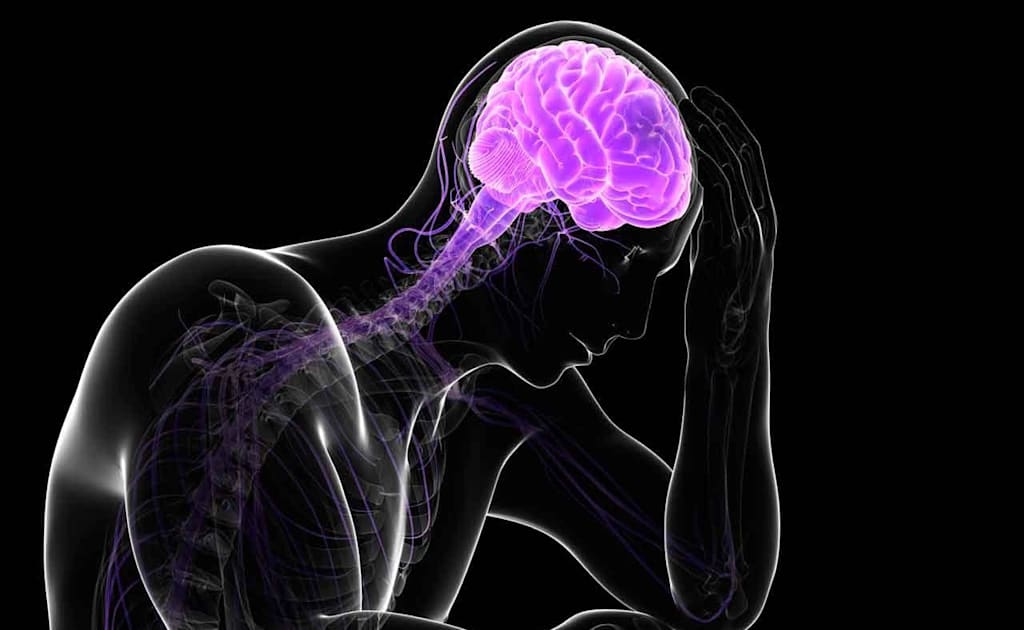
Male weakness, medically known as Erectile Dysfunction (ED), is a common health condition affecting millions of men worldwide. It is defined as the persistent difficulty in achieving or maintaining an erection firm enough for satisfactory sexual performance.
Although it is often considered a sensitive or embarrassing topic, it is important to understand that erectile dysfunction is a medical condition, not a personal failure. It can affect men of all ages, though it becomes more common with increasing age.
The good news is that in most cases, male weakness is treatable and manageable with the right diagnosis, lifestyle changes, and medical support.
What is Male Weakness?
Male weakness refers to the inability of a man to achieve or maintain an erection during sexual activity. It may occur occasionally due to stress or fatigue, but when it becomes frequent or persistent, it is classified as erectile dysfunction.
Erections depend on a complex interaction between the brain, hormones, emotions, nerves, muscles, and blood vessels. Any disruption in this system can lead to difficulties in sexual performance.
Common Symptoms
The symptoms of male weakness may vary from person to person, but the most common signs include:
Difficulty achieving an erection
Trouble maintaining an erection
Reduced sexual desire
Decreased sexual confidence
Fatigue and lack of energy
Emotional stress or frustration
These symptoms may appear gradually or suddenly depending on the underlying cause.
Causes of Male Weakness
Male weakness can be caused by a combination of physical, psychological, and lifestyle factors.
1. Physical Causes
Physical health plays a major role in sexual performance. Common physical causes include:
Diabetes
High blood pressure
Heart disease
Obesity
Hormonal imbalance (especially low testosterone levels)
Poor blood circulation
Neurological disorders
These conditions affect blood flow and nerve function, both of which are essential for a healthy erection.
2. Psychological Causes
Mental and emotional health is equally important. Psychological causes include:
Stress and anxiety
Depression
Performance anxiety
Relationship problems
Low self-esteem
In many cases, psychological factors alone can trigger or worsen erectile dysfunction.
3. Lifestyle Factors
Unhealthy lifestyle habits are a major contributor to male weakness:
Smoking
Alcohol consumption
Drug abuse
Lack of physical activity
Poor diet
Sleep deprivation
These habits gradually damage blood vessels and reduce overall energy levels.
Diagnosis
Proper diagnosis is essential for effective treatment. A healthcare professional may perform:
Medical history evaluation
Blood tests (to check sugar, cholesterol, and hormone levels)
Blood pressure monitoring
Psychological assessment
Physical examination
Identifying the root cause is the key step toward successful treatment.
Treatment Options
Male weakness is treatable, and the approach depends on the underlying cause.
1. Lifestyle Changes
Simple lifestyle improvements can significantly improve sexual health:
Regular exercise (walking, jogging, or gym workouts)
Balanced diet rich in fruits, vegetables, and proteins
Maintaining a healthy body weight
Adequate sleep (7–8 hours daily)
Avoiding smoking and alcohol
These changes improve blood circulation and hormone balance.
2. Medical Treatment
In some cases, medical intervention may be required:
Prescription medications to improve blood flow
Hormone therapy (if testosterone is low)
Treatment of underlying conditions like diabetes or hypertension
Advanced medical devices or therapies (in severe cases)
It is important to consult a qualified doctor before taking any medication.
3. Psychological Therapy
If the cause is psychological, therapy can be highly effective:
Counseling or psychotherapy
Stress management techniques
Cognitive Behavioral Therapy (CBT)
Relationship counseling
Mental well-being plays a crucial role in recovery.
Prevention Tips
Preventing male weakness is possible by maintaining a healthy lifestyle:
Eat a balanced and nutritious diet
Exercise regularly
Manage stress effectively
Avoid smoking and alcohol
Maintain a healthy sleep routine
Stay socially and emotionally connected
Prevention is always easier than treatment.
When to See a Doctor
Medical consultation is recommended if:
The condition persists for several weeks or months
It affects emotional well-being or relationships
There are underlying health issues like diabetes or heart disease
Over-the-counter solutions are not effective
Early diagnosis leads to better outcomes.
Male weakness (erectile dysfunction) is a common but highly misunderstood condition. It can affect confidence, relationships, and quality of life, but it is important to remember that it is treatable in most cases.
With proper medical guidance, healthy lifestyle choices, and psychological support, most men can recover and regain normal sexual function.
Breaking the silence around this issue is the first step toward awareness, treatment, and recovery.
About the Creator
Enjoyed the story? Support the Creator.
Subscribe for free to receive all their stories in your feed.
Comments
There are no comments for this story
Be the first to respond and start the conversation.