
Top 6 Challenges in Restoring Wedding Gowns to Solve in 2026
A Guide to Wedding Gown Restoration

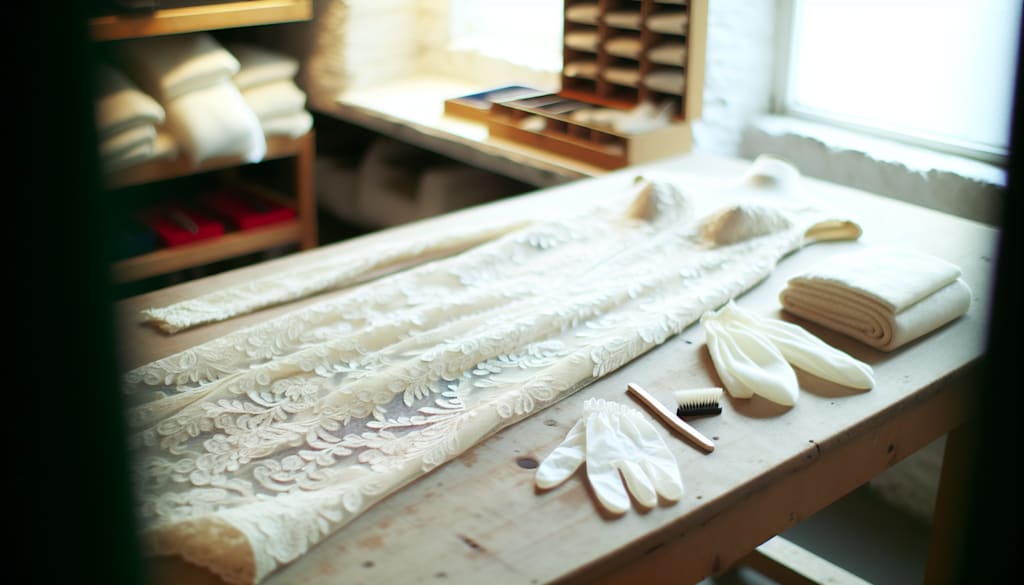
Restoring a wedding gown is a delicate process that requires attention to detail and expertise. As we move into 2026, there are several challenges that professionals face in the field of wedding gown restoration. Understanding these challenges can help both professionals and brides ensure that their cherished gowns are preserved in the best possible condition.
Identifying Fabric Types and Conditions
One of the first challenges in restoring wedding gowns is accurately identifying the fabric types and their conditions. Wedding dresses are made from a variety of materials, including silk, satin, lace, and tulle, each requiring specific cleaning and restoration methods. Misidentifying a fabric can lead to damage during the restoration process.
Silk: Requires gentle handling and specific cleaning agents.
Satin: Prone to water spots and must be treated carefully.
Lace: Delicate and can tear easily if mishandled.
Professionals must be well-versed in fabric care to avoid these pitfalls.
Dealing with Stains and Discoloration
Over time, wedding gowns can accumulate stains and discoloration, which are often exacerbated by improper storage. Common stains include those from wine, makeup, and grass. Each type of stain requires a different approach for effective removal without damaging the fabric.
To address this, restorers must:
- Use appropriate stain removers for each fabric type.
- Test cleaning solutions on inconspicuous areas first.
- Employ techniques such as soaking or spot cleaning.
Advanced knowledge and experience are crucial in preventing further damage during stain removal.
Addressing Structural Damage
Structural damage, such as torn seams, missing beads, or broken zippers, presents another significant challenge. These issues not only affect the gown's appearance but also its structural integrity. Restoring these elements requires precision and a keen eye for detail.
Restorers often need to:
- Source matching materials for repairs.
- Use specialized tools for delicate stitching.
- Reinforce weak areas to prevent future damage.
This aspect of restoration demands a high level of craftsmanship and patience.
Preserving Embellishments and Details
Wedding gowns often feature intricate embellishments like beading, embroidery, and sequins, which can be difficult to preserve during restoration. These details are prone to loosening or falling off, especially if the gown has not been stored properly.
To ensure the preservation of these elements, restorers should:
- Carefully inspect and secure any loose embellishments.
- Clean around these areas with precision to avoid dislodging them.
- Utilize gentle cleaning methods to preserve the integrity of the details.
Attention to detail is paramount in maintaining the gown’s original beauty.
Preventing Future Deterioration
Once a gown has been restored, preventing future deterioration is essential. This involves proper storage techniques and regular maintenance checks. Factors such as humidity, light exposure, and improper storage materials can all contribute to the gown's degradation over time.
Effective preservation strategies include:
- Storing gowns in acid-free boxes or bags.
- Keeping them in a cool, dark environment.
- Regularly inspecting the gown for any signs of wear.
Educating brides on these practices can significantly extend the life of their gowns.
Managing Emotional and Historical Value
Lastly, wedding gowns often hold significant emotional and historical value, which can complicate the restoration process. Brides may have specific requests or concerns about preserving certain aspects of their gowns, such as heirloom lace or vintage buttons.
Restorers must:
- Communicate clearly with clients to understand their needs.
- Respect the sentimental value of each gown.
- Balance restoration techniques with the preservation of original features.
This requires a sensitive approach and excellent communication skills.
Conclusion
Restoring wedding gowns involves navigating a complex set of challenges, from identifying fabrics to preserving intricate details. By understanding these issues and employing skilled techniques, professionals can ensure that each gown is restored to its former glory. As we continue into 2026, embracing these challenges with expertise and care will allow brides to cherish their gowns for generations to come.
About the Creator
Mia Bella
A beauty enthusiast and expert, Mia Bella is dedicated to sharing the latest trends, tips, and product reviews. With a passion for skincare and makeup, she empower others to enhance their natural beauty and confidence.
Enjoyed the story? Support the Creator.
Subscribe for free to receive all their stories in your feed.
Comments