
Your Profile Picture Says More About You Than You Think
The small image beside our names has quietly become a form of emotional identity online.

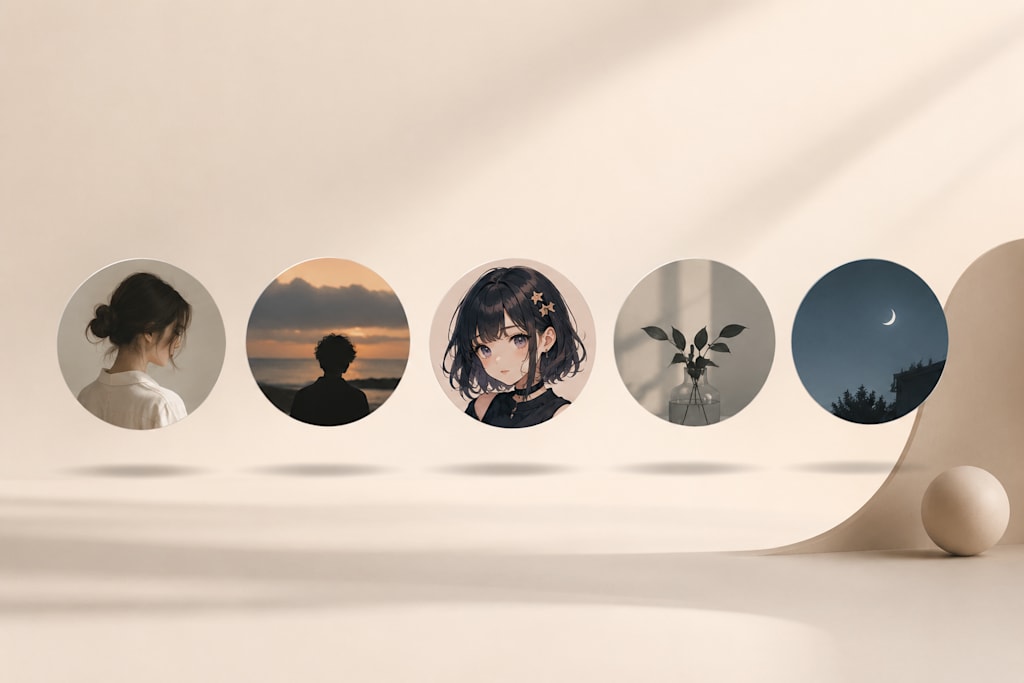
There’s something oddly emotional about profile pictures now.
Not because they’re technically impressive.
Not because cameras are better.
Not even because AI image generation has become mainstream.
But because people are starting to use profile pictures less like identification…
…and more like emotional self-expression.
A few years ago, most profile pictures followed pretty predictable patterns.
A selfie.
A cropped vacation photo.
A blurry Facebook-era image that somehow survived for ten years.
But lately, profile pictures feel different.
More intentional.
More curated.
More aesthetic.
And honestly, sometimes more revealing.
Not necessarily revealing in the literal sense.
More emotionally revealing.
Because the kind of image someone chooses online often says something about how they want to be perceived — even when they don’t consciously realize it.
The “Clean Professional” Profile Picture
Everyone recognizes this style instantly.
Neutral background.
Soft natural lighting.
Minimal facial expression.
Maybe business casual clothing.
Usually centered perfectly.
These profile pictures communicate competence.
Or at least the desire to appear competent.
LinkedIn helped normalize this visual language so aggressively that now people instinctively associate this style with trustworthiness and professionalism.
And to be fair, it works.
When someone uses a polished headshot, most people immediately assume:
responsible
organized
reliable
stable
career-focused
The interesting thing is that profile pictures like this rarely feel deeply personal.
They feel optimized.
That isn’t necessarily bad.
Optimization is part of online life now.
But sometimes these images become so polished that they stop feeling human altogether.
They communicate professionalism clearly while revealing almost nothing emotionally.
Casual Selfies Often Feel More Trustworthy
Ironically, the opposite style can sometimes create stronger emotional connection.
Slightly messy selfies.
Coffee shop lighting.
Vacation snapshots.
Mirror photos.
Uneven framing.
These pictures often feel more approachable because they look less engineered.
People tend to trust visible imperfection online.
Not consciously, maybe.
But emotionally.
A perfectly polished image creates distance.
A slightly imperfect image creates familiarity.
And familiarity is psychologically comforting.
That’s probably one reason casual creator culture became so dominant across the internet.
People increasingly prefer personalities that feel accessible rather than untouchable.
The internet used to reward perfection.
Now it often rewards emotional authenticity instead.
Aesthetic Profile Pictures Are Basically Personality Moodboards
This category exploded quietly over the last few years.
No face at all.
Just:
rainy windows
blurry city lights
old film cameras
sunsets
books on bedsheets
empty train stations
dark bedrooms with neon lighting
These profile pictures are fascinating because they function less like portraits and more like emotional shorthand.
They tell people:
“This is the atmosphere I identify with.”
In many cases, they reveal internal emotional identity more honestly than actual selfies do.
Someone choosing a lonely nighttime street photo may not literally look like that image.
But emotionally?
Maybe that image represents how they experience the world.
That’s why aesthetic profile pictures feel strangely intimate despite containing no face at all.
Anime Profile Pictures Aren’t Just About Anime
People underestimate this category constantly.
Anime profile pictures are often dismissed as internet culture stereotypes, but psychologically they’re much more interesting than that.
Unlike realistic photography, anime avatars aren’t trying to imitate reality exactly.
They exaggerate emotion intentionally.
Expression.
Color.
Energy.
Fantasy.
Idealization.
That exaggeration creates emotional clarity.
Sometimes an anime avatar communicates someone’s personality more effectively than a real photograph because it reflects emotional identity rather than physical identity.
And honestly, online identity has gradually shifted toward emotional representation anyway.
People increasingly want their profiles to express:
mood
taste
creativity
fantasy
aspiration
internal identity
instead of simply documenting physical appearance.
That’s one reason anime profile pictures remain incredibly popular across gaming communities, creator spaces, streaming culture, Discord servers, and younger internet audiences.
For many people, stylized avatars feel more emotionally “true” than traditional portraits.
AI Is Quietly Changing Online Identity
What makes all of this even more interesting is how AI image generation is accelerating the shift.
For most of internet history, profile pictures were limited by reality.
You needed:
a camera
lighting
your actual appearance
a specific moment in time
Now those limitations barely exist.
Someone can create:
cinematic portraits
fantasy-inspired avatars
cyberpunk aesthetics
hyper-realistic studio shots
painterly self-portraits
surreal conceptual identities
without traditional photography at all.
That changes the psychology of online identity completely.
Because now profile pictures are becoming less about documentation…
…and more about curation.
People are no longer asking:
“What photo should I upload?”
They’re asking:
“What version of myself do I want to present?”
That’s a very different question.
The Strange Pressure of Looking “Interesting” Online
One thing I’ve noticed recently is that profile pictures now carry a weird amount of social pressure.
Especially for creators.
Your profile image has become:
branding
first impression
aesthetic positioning
social signaling
perceived personality
all compressed into one tiny square.
And because attention spans online are so short, people make immediate judgments based on visual tone alone.
A dark monochrome portrait feels serious.
A brightly colored anime avatar feels energetic.
A blurry indie-film selfie feels artistic.
A sharp corporate headshot feels ambitious.
None of these interpretations are fully accurate, obviously.
But people still make them automatically.
That’s what makes profile pictures psychologically fascinating.
They function almost like digital clothing.
Sometimes the Best Profile Pictures Feel Honest Instead of Impressive
This is probably the biggest shift I’ve noticed online recently.
People are getting tired of hyper-perfected internet identities.
Not completely.
But enough that emotional honesty is becoming visually valuable again.
Some of the most memorable profile pictures now aren’t technically perfect at all.
They’re simply emotionally coherent.
The image matches the personality.
That consistency matters more than production quality.
A simple low-light photo can feel powerful if it genuinely reflects the person behind the account.
Meanwhile, an ultra-polished AI-generated portrait can feel strangely empty if there’s no emotional authenticity behind it.
People can sense that disconnect surprisingly quickly.
Even online.
Maybe especially online.
AI Will Probably Make Identity More Fluid
I don’t think we’ve fully processed what AI-generated identity means yet.
Right now, AI profile pictures still feel somewhat experimental.
But eventually?
Creating multiple visual identities may become completely normal.
Professional identity.
Creative identity.
Gaming identity.
Anonymous identity.
Public-facing identity.
Different visual versions of the same person across different spaces.
And honestly, that future already feels partially here.
Especially among younger internet users who grew up treating online identity as something flexible rather than fixed.
For them, changing profile pictures constantly isn’t unusual.
It’s part of self-expression itself.
Maybe Profile Pictures Have Become Tiny Emotional Portraits
Centuries ago, portraits were carefully crafted attempts to represent status, identity, and personality.
Modern profile pictures are strangely similar.
Just compressed into tiny digital squares.
People spend hours choosing them because deep down, they understand something important:
Before people read your words online, they often read your image first.
And whether we like it or not, visual identity shapes emotional perception immediately.
That doesn’t mean profile pictures define who someone truly is.
But they do reveal something interesting:
Not necessarily who people are…
…but how they want to feel seen.
About the Creator
Violet
Exploring how AI reshapes memory and creativity.
Enjoyed the story? Support the Creator.
Subscribe for free to receive all their stories in your feed.
Comments
There are no comments for this story
Be the first to respond and start the conversation.