
Window Replacement in Detroit: What the Average Cost Doesn't Tell You
The $415 average figure is a starting point — here's what actually determines what you'll pay

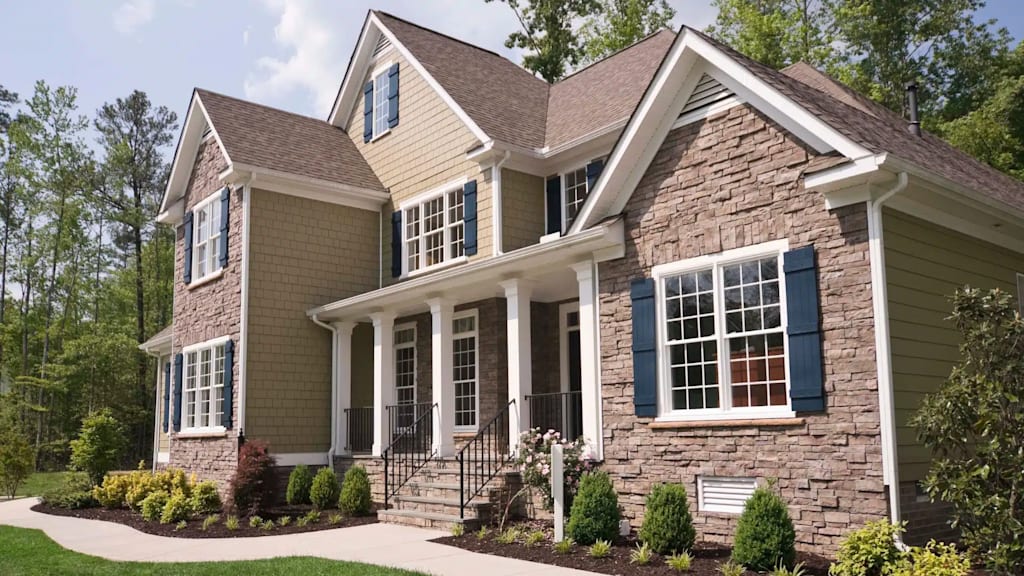
I've seen it happen more times than I can count. A Detroit homeowner gets a quote for window replacement, compares it to the "average cost" they found online, and walks away confused about why their number is so different.
The averages aren't wrong — they're just incomplete. And if you're trying to budget a window replacement project in Metro Detroit without understanding what moves the needle, you're setting yourself up for sticker shock.
Here's a clearer picture of what window replacement actually costs in this region, and more importantly, why.
The Number Everyone Quotes
Regional cost data puts Detroit-area window replacement at around $415 per window, including materials and labor, with most projects falling somewhere between $384 and $447 per window. That figure generally applies to standard double-hung or single-hung windows in typical residential applications.
It's a reasonable baseline. But it assumes a lot.
What That Number Assumes
The $415 average assumes you're replacing a standard-sized, standard-style window on the ground floor, with an existing frame in decent condition, using vinyl framing. Change any one of those variables and the price shifts.
Frame material alone can swing costs considerably. Vinyl is the most affordable option and genuinely performs well in Michigan's freeze-thaw cycles — there's a reason it dominates Detroit's residential market. Wood frames carry a premium, particularly in older neighborhoods where homeowners want to maintain the original character of their homes. Fiberglass costs more upfront but delivers exceptional durability over time.
Window style matters just as much. Bay and bow windows, common in many of Detroit's older bungalows and colonials, require structural reinforcement and significantly more labor. A casement window costs more than a single-hung simply because of the crank mechanism and tighter weathersealing. Picture windows can actually be among the most affordable — no moving parts, no hardware.
The Hidden Cost Most People Don't Anticipate
What genuinely surprises homeowners is discovering structural damage mid-project. In Detroit, where housing stock frequently dates back to the mid-20th century or earlier, rotted framing and moisture damage behind window openings are common findings. A contractor doing a retrofit installation — placing new windows into existing frames — may open the wall and find conditions that force the job to convert into a full-frame replacement. That changes the price.
This isn't a contractor upsell. It's a structural reality of older homes. The best way to reduce the likelihood of mid-project surprises is to get a thorough in-person assessment before signing anything.
Upper-Floor Windows Are a Different Animal
Ground-floor replacement is straightforward. The moment a contractor has to work above the first floor, costs increase — more labor time, safety equipment, and access complexity. If you're replacing windows on a two-story or three-story home, factor this in from the start.
Does It Make Financial Sense?
For most Detroit homeowners, yes — particularly those in homes built before 1990. The U.S. Department of Energy estimates that energy-efficient window upgrades can reduce annual energy costs by anywhere from $71 to $501 depending on the home, climate, and existing windows. In Michigan, where heating costs are significant, the upper end of that range is achievable for homes with genuinely underperforming windows.
That's not a small number. A $450 window paying for itself in under three years through energy savings is a reasonable outcome in this region.
A Few Ways to Keep Costs Down
If budget is a constraint, there are legitimate ways to manage it:
Replacing all windows at once almost always lowers your per-window cost. Contractors aren't making separate trips and mobilizations for each unit.
Sticking with standard sizes avoids custom fabrication costs, which add up quickly. If your openings are non-standard, ask whether a framing adjustment could accommodate standard sizing — sometimes it's worth it.
Scheduling outside of spring and summer gives you more flexibility with contractors who are less backlogged. Fall installations are often scheduled faster and occasionally at better rates.
Vinyl frames are not a compromise in this climate. They perform well, require almost no maintenance, and carry the most competitive pricing.
The Bigger Picture
Windows are one piece of a home's exterior envelope. In older Detroit homes especially, they rarely fail in isolation — drafty windows often signal related issues with siding, trim, or roofing that are allowing moisture in. Before committing to a window project, it's worth doing a comprehensive exterior review to make sure you're addressing the root cause, not just the symptom.
Replacing windows in a home with an actively failing roof, for instance, may be putting money in the wrong place first. Sequencing exterior repairs correctly is one of the most overlooked parts of managing a home improvement budget.
If you're starting to notice consistent drafts, interior condensation between panes, or windows that no longer open and close smoothly, those are reliable signals that replacement is overdue. The Detroit climate is hard on windows — and waiting rarely makes the project cheaper.
About the Creator
ORB Technology Solutions
ORB Technology Solutions helps roofing professionals achieve digital success. Our stories deliver actionable SEO and marketing blueprints to rank higher and land leads.
Enjoyed the story? Support the Creator.
Subscribe for free to receive all their stories in your feed.
Comments
There are no comments for this story
Be the first to respond and start the conversation.