
Why Your Car Might Be Overheating and What to Do About It
Understanding the Causes of Engine Overheating and Smart Steps to Fix It

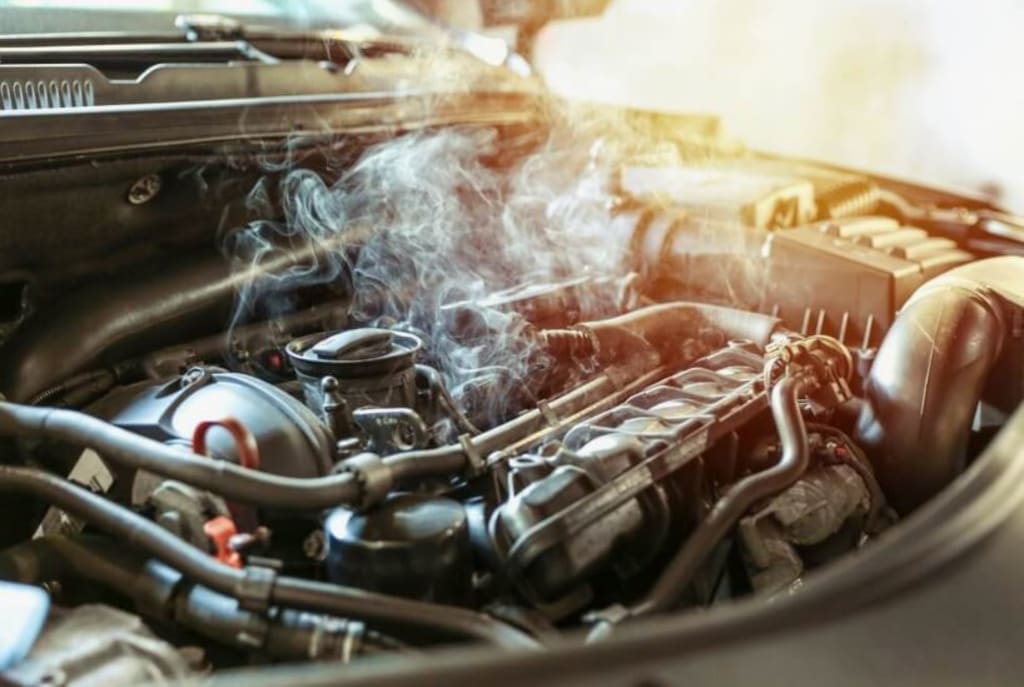
It’s a hot day, you’re cruising down the highway, and suddenly your dashboard flashes the dreaded temperature warning light. Your engine is overheating. This scenario is not just inconvenient—it could lead to serious damage and costly repairs. Understanding why your car might be overheating and what you can do about it is essential for every driver.
Before diving into solutions, it's worth noting that persistent overheating might mean your vehicle is reaching the end of its life. If repairs outweigh its value, it might be time to consider services like cash for scrap cars Melbourne, which offer a convenient way to get value from an unrepairable vehicle.
Let’s explore the reasons behind car overheating and how to tackle them effectively.
Common Reasons Why Cars Overheat
Low Coolant Levels
Coolant, also known as antifreeze, is crucial in keeping your engine at a stable temperature. A low coolant level, often caused by a leak, can quickly lead to overheating. Without sufficient coolant, the engine's heat has nowhere to dissipate, leading to rising temperatures.
Faulty Thermostat
The thermostat regulates the flow of coolant between the engine and the radiator. If it gets stuck in the closed position, coolant can’t circulate properly, causing the engine to overheat rapidly.
Radiator Issues
Radiators are responsible for removing heat from the coolant. A clogged, leaking, or broken radiator reduces its efficiency, which can trigger overheating. Sometimes, external debris or internal corrosion are the culprits.
Broken Water Pump
The water pump circulates coolant throughout the cooling system. If the pump fails, coolant won’t move as needed, and your engine temperature will spike. A worn-out pump may also leak or make whining noises.
Cooling Fan Malfunction
Your car's cooling fan pulls air through the radiator to help lower the coolant temperature. A faulty fan—due to electrical issues, broken motors, or damaged blades—means insufficient airflow and a hotter engine.
Blocked or Damaged Hoses
Hoses carry coolant between engine components. If one is blocked, kinked, or leaking, the entire cooling process can be disrupted. Even a small hose tear can result in significant fluid loss over time.
What to Do If Your Car Overheats
Turn Off the AC and Turn On the Heat
It sounds counterintuitive, but turning on the heat helps draw excess heat from the engine into the cabin. This can buy you some time until you can stop safely.
Pull Over and Turn Off the Engine
As soon as it's safe, pull over and shut down the engine. Continuing to drive while your engine is overheating can cause irreparable damage, such as a cracked engine block or blown head gasket.
Check Coolant Levels (Safely)
After letting the engine cool down for at least 15–30 minutes, carefully open the radiator cap with a cloth (never when it’s hot) and check the coolant level. If it's low, topping it up with coolant or even water (temporarily) can help.
Inspect for Leaks or Broken Belts
A quick look under the hood might reveal obvious signs of a problem. Look for puddles under the car, steam coming from the engine, or broken belts and hoses.
Call a Mechanic or Roadside Assistance
If the problem isn’t easily fixable on-site, it’s best to get professional help. Continuing to drive an overheating car can turn a small issue into a major one.
Preventing Overheating in the Future
Regular Maintenance is Key
Routine maintenance checks can prevent many causes of overheating. Keep an eye on your coolant levels, hoses, and belts, and flush your radiator as per the manufacturer’s recommendations.
Monitor Warning Signs
Your car often gives subtle warnings before overheating becomes a major problem. Unusual smells, high temperature gauge readings, or steam from the hood should never be ignored.
Upgrade Aging Components
If your car is older, certain parts of the cooling system might be worn out. Replacing an old radiator, thermostat, or water pump before they fail can save money and stress in the long run.
When Repairs Don’t Make Sense
Sometimes, repeated overheating is a symptom of a car that’s simply past its prime. If your vehicle constantly struggles with cooling issues, engine damage, or repeated breakdowns, it might be time to move on. Services like sell car for cash in Melbourne can help you get a fair price for a car that’s no longer roadworthy, without the hassle of costly repairs or dealer trade-ins.
Final Thoughts
An overheating engine is more than a temporary inconvenience—it’s a warning signal. Whether caused by low coolant, a bad thermostat, or failing engine components, addressing the issue quickly is vital. With the right preventative care, you can avoid the headache of breakdowns. But if repairs become too expensive, scrapping your car for cash might be the smarter route.
Always stay alert to your vehicle’s behavior and prioritize regular maintenance. Your engine—and your wallet—will thank you.
About the Creator
Jason Miller
Jason Miller, Senior Automotive Expert at Urgent Cash for Cars, has nine years of experience. He excels in automotive content strategy, industry insights, market trends, and eco-friendly car disposal practices.
Enjoyed the story? Support the Creator.
Subscribe for free to receive all their stories in your feed.
Comments
There are no comments for this story
Be the first to respond and start the conversation.