
Why the Way Your Roller Door Installation Is Done Matters More Than the Door Itself
roller door installation
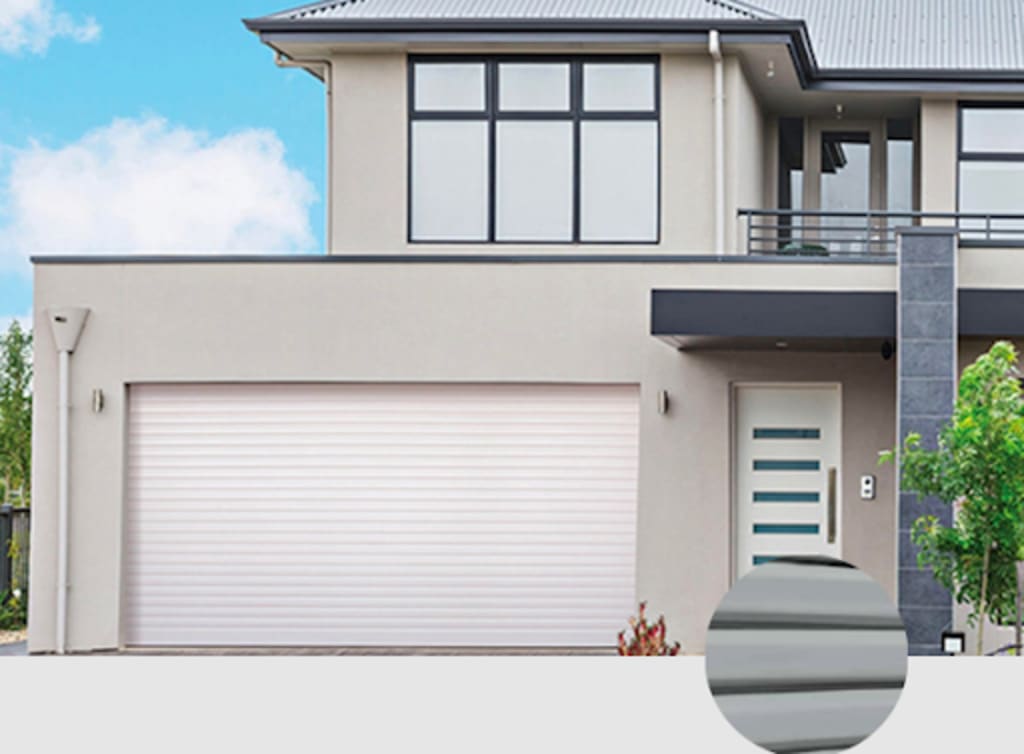
Garages and industrial units are probably the most under-thought spaces on any property. Owners spend serious money on the door itself — the finish, the insulation grade, the automation spec — and then hand the fitting to whoever is available cheapest and soonest. The door goes in, it opens, it closes, and nobody thinks about it again until something breaks. Proper roller door installation is not just about getting the door up. It is about everything that determines whether that door still performs well in ten years or starts causing problems in ten months.
Security That Actually Holds
Most break-ins that involve roller doors do not happen because the door itself failed. They happen because the installation created a weakness the door's own design never intended. A guide rail that is not anchored deeply enough into masonry flex under lateral pressure. A locking bar that sits a fraction too high fails to fully engage its keep. These are not manufacturing defects — they are fitting decisions made in twenty minutes that compromise a door designed to last decades. Security in a roller door is mostly an installation outcome, not a product specification.
The Sealing Problem
Thermal performance is where most door installations quietly fall apart. A door can carry an impressive insulation rating and still allow cold air to pour in around every edge if the perimeter sealing was not treated as a priority during fitting. The base seal deserves particular attention — it needs to compress evenly across the full width of the opening, which requires the floor to be assessed and the door drop calculated accordingly. Brush seals at the guides, a correctly fitted header seal, and proper compression at the base together determine the thermal reality of the space. The roller door installation process, not the product brochure, is what delivers that performance.
Spring Tension Fundamentals
This is the part that most people installing their own doors or hiring unqualified fitters get dangerously wrong. Roller door springs are under significant mechanical load continuously — not just when the door moves. The tension must be calibrated to the exact weight of the door curtain, accounting for the diameter of the roll as the curtain builds up around the barrel. Too little tension and the motor carries weight it was never designed to bear. Too much and the door overshoots, the motor strains at the limits, and the spring itself fatigues faster than it should. This calibration is not guesswork — it is the mechanical foundation everything else depends on.
Automation Setup Nobody Mentions
Automated roller doors are now the default, and the motor fitting is where the most consequential shortcuts happen. Travel limit calibration is more exacting than most people realise — the margin between a correct upper limit and one that puts the curtain under compression at full open is surprisingly small. Obstacle detection sensitivity needs to be set against the actual weight and resistance of that specific door, not left on a factory default. A roller door installation that treats automation setup as an afterthought produces a system that technically works but silently wears itself out faster than it should.
What the Frame Reveals
No opening is perfectly square, and how an installer responds to that reality separates competent work from poor work. Guide rails packed and shimmed to create true vertical alignment, anchored into structurally sound masonry rather than whatever surface is convenient — these decisions determine whether the curtain wears evenly or begins to deform along one edge within a few years. An honest installer assesses the opening before the door arrives, not after.
Conclusion
The door is almost never the problem. When roller doors fail early, perform poorly, or create security weaknesses, the cause traces back to how they were installed. Proper roller door installation is a technical process with specific mechanical requirements — spring calibration, frame assessment, perimeter sealing, and automation setup — none of which can be rushed without consequences. Choosing an installer based purely on availability and price is how property owners end up paying twice. The fitting is not the boring part of buying a roller door. It is the only part that actually matters.
About the Creator
Enjoyed the story? Support the Creator.
Subscribe for free to receive all their stories in your feed.
Comments
There are no comments for this story
Be the first to respond and start the conversation.