
Why Soundproofing Foam Panels Are Changing the Way We Experience Spaces
Soundproofing Foam Panels
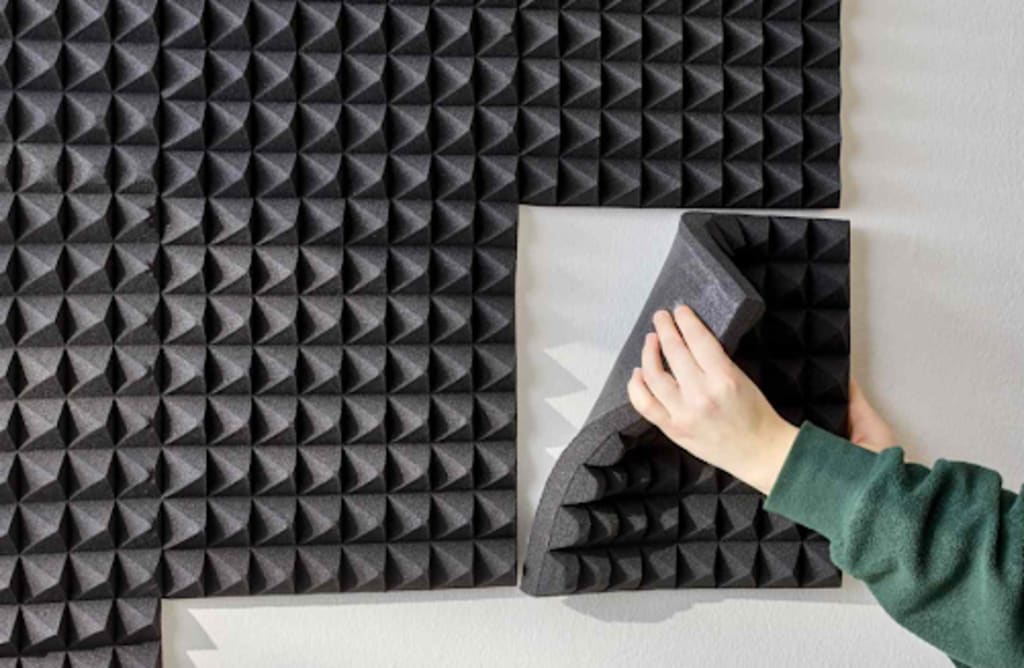
Walk into a room that has been acoustically treated well and something feels immediately different — calmer, cleaner, easier to think in. Most people attribute that feeling to the quiet. But quiet is not really what is happening. What changes is the absence of clutter in the sound itself. Soundproofing foam panels do not silence a room. They stop it from fighting against everything that happens inside it. That distinction matters more than most buyers realise when they first go looking.
Absorption Is Not Blocking
The single most common misunderstanding about foam is that it keeps sound out. It does not — walls, mass, and sealed gaps do that. Foam absorbs sound that is already inside the room, converting the energy of bouncing waves into negligible heat rather than letting them reflect back and compound. People who install foam hoping to block street noise are solving the wrong problem with the wrong tool. Knowing this upfront saves both money and disappointment.
Thickness Changes Everything
Thin foam handles the bright, sharp end of the frequency range well enough — the crack of a snare, the sting of sibilance, the harshness of a tiled room. What it struggles with is the low-mid range. That muddiness, the congested weight that makes a room feel acoustically exhausting, sits in frequencies that thin material barely touches. Thicker panels in corners where bass naturally pools, combined with standard foam across flat surfaces, deal with a far wider slice of the problem. Treating only with thin foam and wondering why the room still sounds wrong is one of the most predictable acoustic mistakes made.
The Room Shape Is the Real Problem
Square rooms are notoriously stubborn. Parallel walls create standing waves — frequencies that bounce back and forth between surfaces, reinforcing themselves and producing uneven loudness depending on where in the room someone is standing. Placing soundproofing foam panels flat against those walls without breaking up the parallel relationship does not solve this. Angling panels, treating the corners, and disrupting the geometry of sound travel addresses what more panels simply cannot.
Density Separates Real Panels from Cheap Ones
Foam looks similar across a wide range of quality levels, which makes buying decisions genuinely tricky. The difference lives in density. Denser foam resists compression, holds its structure over time, and absorbs across a broader frequency range without degrading. Cheaper, low-density material collapses with light pressure and loses performance steadily — faster in warmer climates. Squeezing a panel before buying is not a strange thing to do. If it caves in easily, it will not perform well for long.
Fire Rating Is Not Optional
This is skipped in most product guides and it really should not be. Standard acoustic foam burns. In enclosed rooms, near power equipment, or anywhere that falls under Australian building or commercial tenancy codes, fire-retardant rated panels are not a nice-to-have — they are necessary. Two panels can look identical on a shelf and carry entirely different material certifications. Checking compliance before installation is basic due diligence, not overcaution.
Some Rooms Just Respond Better
Foam treatment produces dramatic results in bare, hard rooms and modest results in rooms already softened by carpet, curtains, bookshelves, and furniture. The existing furnishings are doing acoustic work already. Adding foam on top delivers less and less return the more absorption is already present. Clapping sharply in a room and listening to how the sound decays gives a reasonable read on how much work the foam will actually have to do.
Placement Beats Quantity
Covering every wall is the instinct. It is also wrong. Over-treated rooms feel unnaturally dead — uncomfortable to speak in, fatiguing over long sessions. The goal is targeted reduction: flutter echo between parallel walls, bass build-up in corners, harsh reflections hitting a recording or listening position. Fewer panels placed with real intention consistently outperform a room blanketed in foam without a plan.
Conclusion
Acoustic treatment rewards people who take the time to understand what their room is actually doing before reaching for a solution. Soundproofing foam panels work best not as a blanket fix but as a considered response to specific problems — the frequencies causing congestion, the surfaces generating reflections, the corners feeding bass into the rest of the space. Get that right and the difference is not subtle. The room stops working against the people inside it and starts working with them instead.
About the Creator
Enjoyed the story? Support the Creator.
Subscribe for free to receive all their stories in your feed.
Comments
There are no comments for this story
Be the first to respond and start the conversation.