
Why Small Glass Food Storage Containers Are Becoming More Popular
Small Glass Food Storage

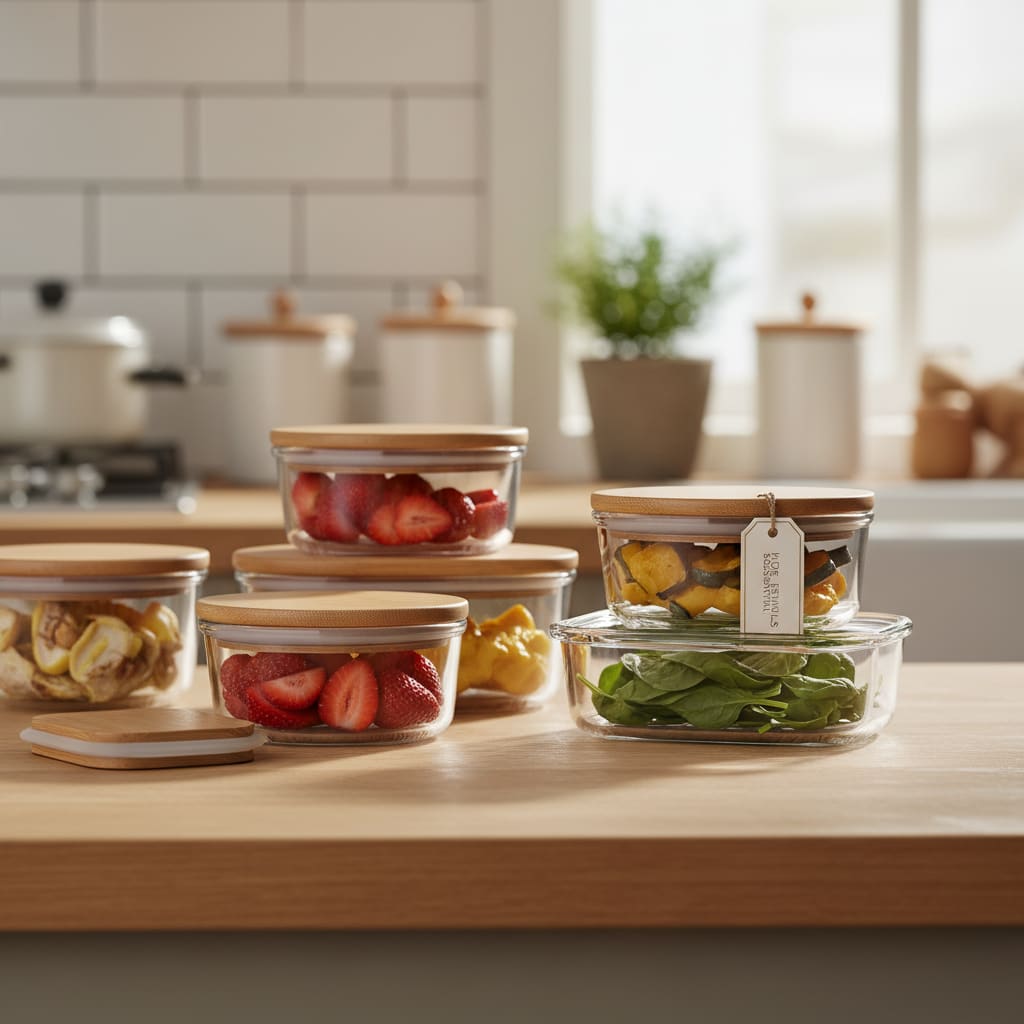
Food storage has become an important part of modern kitchens, especially as more people focus on healthier eating habits, meal preparation, and reducing household waste. Among the many storage options available today, glass containers have gained significant popularity because of their durability, safety, and long-term practicality.
Small glass food storage containers are now commonly used for meal prep, leftovers, snacks, sauces, and portion control. Unlike disposable packaging or low-quality plastic containers, glass offers a more stable and reusable solution for everyday food storage.
As awareness about food safety and environmental sustainability continues growing, many households are gradually shifting toward reusable glass-based storage systems.
The Difference Between Glass and Plastic Containers
For many years, plastic containers dominated kitchen storage because they were lightweight and inexpensive. However, concerns about chemical exposure, durability, and environmental waste have changed how consumers evaluate food storage products.
Glass containers are non-porous, which means they do not absorb odors, stains, or food flavors easily. This helps preserve the original taste and freshness of stored food over time. Plastic containers, on the other hand, often develop lingering smells and discoloration after repeated use.
Another major difference is heat resistance. High-quality glass containers can generally tolerate a wider range of temperatures, making them suitable for refrigeration, freezing, and reheating food. This versatility has made them increasingly practical for modern kitchens.
The environmental factor also plays a significant role. Reusable glass containers typically last much longer than disposable or low-grade plastic alternatives, helping reduce household waste.
Why Size Matters in Food Storage
Small storage containers are particularly useful because they support organization and portion management. Large containers may work well for bulk storage, but smaller containers are often more practical for everyday use.
People commonly use small containers for chopped vegetables, sauces, spices, snacks, meal-prep ingredients, and leftover portions. Their compact size also helps maximize refrigerator and pantry space.
Organized storage systems can reduce food waste by making ingredients easier to see and access. When food remains visible and properly sealed, it is less likely to be forgotten or spoiled.
This is one reason why compact glass containers have become especially popular among people who regularly prepare meals in advance.
The Importance of Airtight Sealing
One of the most important features of any food storage container is the quality of its seal. Airtight lids help maintain freshness by limiting exposure to air and moisture.
Poor sealing systems can cause food to dry out, lose texture, or spoil more quickly. For refrigerated foods, proper sealing also helps prevent odors from spreading between different items.
Modern glass containers often use silicone-sealed lids designed to create stronger closures while remaining flexible and easy to open. This type of design has become increasingly common in reusable kitchen storage products.
Consumers now pay closer attention to lid quality because they recognize that storage performance depends on more than the container material alone.
Meal Preparation and Modern Kitchen Habits
Meal preparation has become increasingly popular due to busy work schedules and growing interest in healthier eating routines. Many people now prepare meals or ingredients several days in advance to save time throughout the week.
Small glass food storage containers fit naturally into this trend because they make portioning and organizing meals easier. Individual servings can be separated efficiently, reducing preparation time later.
Transparent glass also allows users to identify contents quickly without opening containers repeatedly. This may seem like a minor detail, but it contributes significantly to kitchen organization and convenience.
As meal prep culture continues expanding through social media and health-focused lifestyles, reusable glass storage systems are likely to remain widely used.
Durability and Long-Term Use
One reason many households prefer glass storage systems is durability. High-quality glass containers can withstand repeated daily use without warping, scratching, or retaining stains.
Borosilicate glass, commonly used in premium food containers, is designed to resist thermal shock and sudden temperature changes. This makes it more reliable for transferring food between refrigerators, freezers, microwaves, and dishwashers.
Although glass containers may initially cost more than plastic alternatives, their longer lifespan often makes them more economical over time.
Brands such as Ikoo Glass are frequently associated with this shift toward durable and reusable food storage products as consumers increasingly prioritize quality and sustainability in kitchen organization.
Sustainability and Waste Reduction
Environmental concerns have strongly influenced consumer behavior in recent years. Many households are attempting to reduce dependence on disposable plastics and single-use packaging.
Reusable glass storage systems support this effort by minimizing waste generated through temporary containers and packaging materials. Because glass is recyclable and highly durable, it aligns more closely with sustainable consumption practices.
Reducing food waste is another important benefit. Properly stored food tends to stay fresh longer, which helps households throw away less spoiled food over time.
Sustainability has become an increasingly important factor in kitchen product selection, especially among younger consumers focused on environmentally responsible lifestyles.
Safety and Food Preservation
Food safety remains one of the biggest reasons many consumers transition from plastic to glass containers. Some people prefer glass because it does not contain the same chemical concerns sometimes associated with lower-quality plastics.
Glass also maintains food quality more effectively over long storage periods because it does not react with acidic foods as easily. Items such as sauces, fruits, and prepared meals can often be stored more reliably in glass-based containers.
The ability to clean glass thoroughly without retaining stains or odors also contributes to better hygiene and long-term usability.
As awareness about food preservation continues growing, consumers are becoming more selective about the materials used in kitchen storage products.
The Growing Demand for Functional Kitchen Organization
Modern kitchen organization increasingly emphasizes functionality alongside aesthetics. Consumers now look for storage systems that not only perform well but also create cleaner and more organized kitchen spaces.
Stackable glass containers help maximize storage efficiency in refrigerators and cabinets. Their transparent appearance also contributes to a more organized visual layout compared to mismatched disposable containers.
This trend reflects broader lifestyle shifts toward minimalism, organization, and intentional household management.
Products associated with organized kitchen storage, including systems connected to Ikoo Glass, continue gaining attention as consumers invest more in practical long-term kitchen solutions.
Conclusion
Small glass food storage containers have become increasingly popular because they combine durability, food safety, organization, and sustainability in one solution. As households move away from disposable plastics and prioritize healthier storage options, glass containers continue gaining importance in modern kitchens.
Their ability to preserve freshness, resist odors, support meal preparation, and reduce environmental waste makes them a practical choice for everyday food storage.
With changing consumer habits focused on long-term usability and kitchen efficiency, reusable glass storage systems are likely to remain a central part of food organization and household sustainability for years to come.
About the Creator
PostSphere
🌟 Helping businesses grow through SEO, guest posting, and expert link building.
Let your content speak on the right platforms.
Enjoyed the story? Support the Creator.
Subscribe for free to receive all their stories in your feed.
Comments
There are no comments for this story
Be the first to respond and start the conversation.