
📰 Why Most People Stay Broke — And the Simple Shift That Changes Everything
A deeper look at everyday money habits, hidden financial traps, and the mindset shift that can help you finally take control.

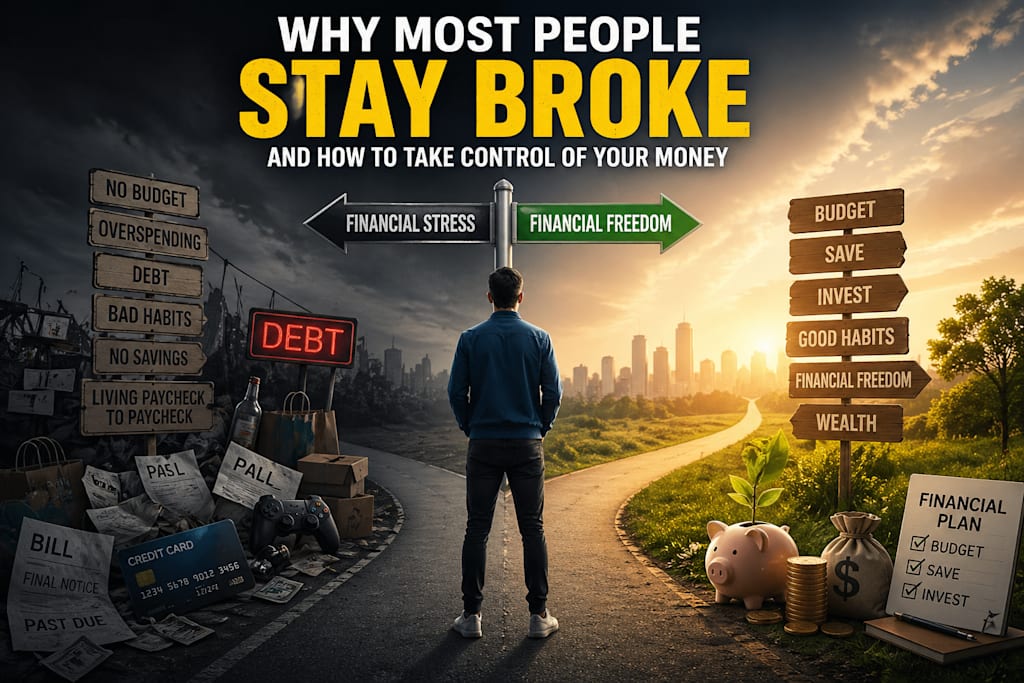
Introduction: It’s Not What You Think Most people believe one simple idea: “If I earn more money, my financial problems will disappear.” It sounds logical. After all, more income should mean more savings, right? But in reality, that’s not always what happens. There are people earning high salaries who still struggle to save anything at the end of the month. At the same time, others with average incomes manage to build stability over time. So the real question is— Why do so many people stay broke, even when they’re earning enough? The Real Problem: It’s Not Just About Income At first glance, it’s easy to blame low income. And yes, income does matter. But for many people, the bigger issue isn’t how much they earn—it’s how they manage what they have. Money doesn’t disappear randomly. It follows patterns. And those patterns are often shaped by daily habits. Without realizing it, people fall into cycles where spending grows along with income. So even when they start earning more, their financial situation doesn’t really improve. The Silent Trap: Lifestyle Creep One of the biggest reasons people stay broke is something called lifestyle creep. Here’s how it works: You get a raise or start earning more. Instead of saving that extra money, your lifestyle quietly upgrades. A better phone. More dining out. Subscriptions you didn’t have before. None of these feel like big decisions. But together, they create a situation where your expenses rise just as fast as your income. And just like that—you’re back where you started. The Hidden Enemy: Uncontrolled Spending Another major factor is how easy it has become to spend money. Today, everything is designed for convenience. With a few taps, you can order food, shop online, or subscribe to services. These small, frequent expenses don’t feel significant in the moment. But over time, they add up in ways most people don’t notice. Many people don’t actually track their spending. So they assume they’re managing fine—until they check their balance and wonder where all the money went. The Emotional Side of Money Money decisions are not always logical—they’re often emotional. People spend when they’re stressed. They spend when they’re bored. They spend to reward themselves. And while there’s nothing wrong with enjoying your money, emotional spending without awareness can become a habit. Over time, it creates a pattern where spending becomes automatic, and saving feels difficult. The Shift That Changes Everything Here’s the truth most people overlook: Financial improvement doesn’t start with earning more. It starts with managing better. This doesn’t mean cutting off everything or living an extremely restricted life. It simply means becoming more aware of your choices. A small shift in mindset can make a big difference. Instead of asking: “How can I earn more?” Start asking: “How can I use what I already have better?” That one question can completely change how you handle money. Simple Habits That Actually Work You don’t need complicated strategies to improve your finances. Small, consistent actions are enough. 1. Track Your Spending For a few days, pay attention to where your money goes. You might be surprised by what you find. 2. Start Small Instead of making big changes, remove just one unnecessary expense. Small wins build momentum. 3. Save Consistently Even a small amount saved regularly can grow over time. Consistency matters more than size. 4. Separate Needs from Wants This is one of the most powerful habits. When you understand the difference, your decisions become clearer. A Different Way to Think About Money Being financially stable isn’t about being rich. It’s about being in control. When you control your spending, your money starts working for you instead of against you. And that control doesn’t come from big changes—it comes from small, intentional actions repeated over time. Conclusion: It’s Not About Luck—It’s About Habits Most people don’t stay broke because they’re unlucky. They stay stuck because of patterns they don’t notice. The good news is, those patterns can be changed. It won’t happen overnight. But with awareness, discipline, and small steps, things can improve. Because in the end, financial success isn’t about how much you makeIt’s about what you do with what you have. What’s one small habit you can change today to take control of your money?
About the Creator
The Insight Ledger
Writing about what moves us, breaks us, and makes us human — psychology, love, fear, and the endless maze of thought.
Enjoyed the story? Support the Creator.
Subscribe for free to receive all their stories in your feed.
Comments
There are no comments for this story
Be the first to respond and start the conversation.