
Why Most People Buy the Wrong Off Grid Inverter & How to Actually Choose the Right One
A practical breakdown for homeowners, van lifers, and anyone tired of getting burned by bad buying decisions.

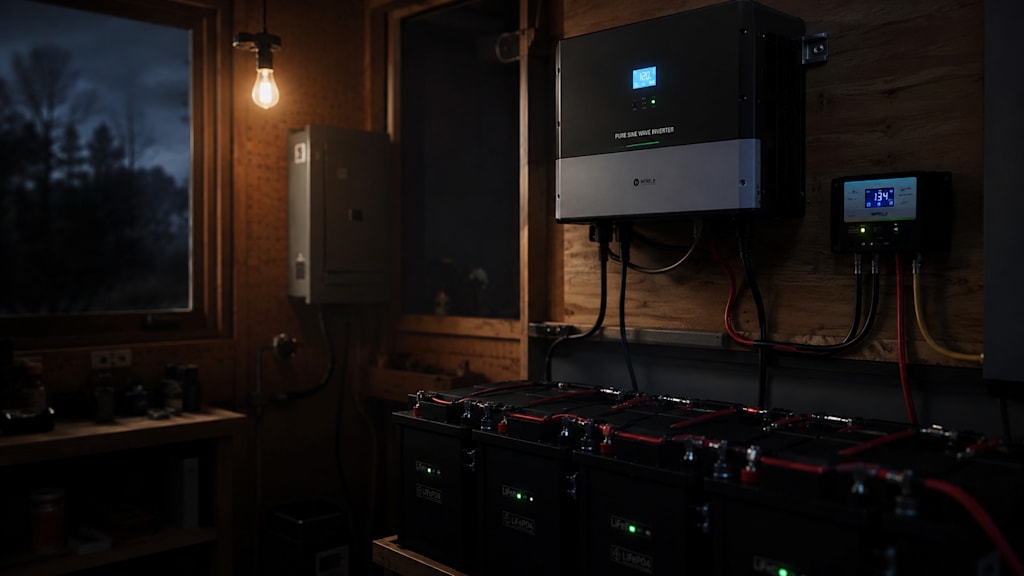
There's a moment most off-grid beginners experience usually around 2 AM, in the dark, with a dead battery bank and a humming inverter that just gave up.
It's not the battery's fault. It's not even the inverter's fault, technically. It's a sizing problem. And it happens more than you'd think.
The inverter is the heart of any off-grid system. It converts DC power stored in your batteries into the AC power your appliances actually run on. Get it right, and your system quietly does its job for years. Get it wrong, and you're replacing equipment, voiding warranties, or worse dealing with a fire hazard.
This guide is for anyone who's overwhelmed by specs and just wants a clear, honest answer to: which off grid inverter do I actually need?
First: Understand What an Off Grid Inverter Actually Does
Unlike a grid-tie inverter (which feeds power back to the utility grid), an off grid inverter operates independently. It draws from a battery bank typically 12V, 24V, or 48V and outputs standard 120V or 240V AC power.
Some inverters are pure sine wave. Some are modified sine wave. The difference matters more than most people realize.
Modified sine wave inverters are cheaper, but they can damage sensitive electronics certain medical equipment, some motors, audio gear. They work fine for basic loads like lights and fans.
Pure sine wave inverters output clean power that matches what comes from the grid. They're compatible with virtually everything, and for a serious off-grid setup, they're the only real choice.
The 48V Question
If you're building a system from scratch or upgrading one 48V is the architecture most professionals recommend today.
Here's why: at higher voltage, you can move the same amount of power through thinner wire with less heat and less loss. A 48V system running 3,000 watts draws around 62 amps. The same load on a 12V system pulls nearly 250 amps. That's a massive difference in cable size, fusing requirements, and heat buildup.
48V off grid inverters are especially popular for:
Whole-home backup systems
Larger cabins and tiny homes
Solar setups with 4+ panels
Anyone planning to expand their system over time
The upfront cost is slightly higher, but the efficiency gains and scalability make it the smarter long-term investment.
How to Size Your Inverter (Without Overthinking It)
The number one mistake: buying based on peak wattage alone.
Your inverter needs to handle your continuous load (what's always running) plus surge load (the spike when motors start fridges, pumps, AC units).
A simple way to think about it:
List every appliance you'll run simultaneously
Add up their wattage
Add 20-25% buffer
That's your minimum continuous watt rating
For surge, look for inverters rated at 2x their continuous output most quality units are. If you're running a well pump or air conditioner, confirm the startup surge specs specifically.
Features Worth Paying For
Once you know your wattage needs, here are features that separate solid inverters from frustrating ones:
Transfer switch / built-in charger If you want your inverter to also charge your batteries from a generator or shore power, look for a "inverter-charger" combo unit. These are worth the extra cost in most setups.
LCD display or Bluetooth monitoring — Being able to see voltage, wattage, and fault codes without crawling into your equipment space is genuinely useful.
Low idle draw — Quality inverters consume as little as 10-20W at idle. Cheap units can bleed 50-80W constantly, which adds up fast over a 24-hour cycle.
Warranty and support — A two-year warranty minimum is fair. Five years is better. Check if the brand actually has customer service that responds.
The Bottom Line
An off grid inverter isn't a glamorous purchase, but it's one of the most important decisions in your system. Size it properly, go pure sine wave, and for anything beyond a small 12V setup seriously consider going 48V.
About the Creator
Ammi
Love traveling, but yes more homie person as well. love to wrote and share thoughts
Enjoyed the story? Support the Creator.
Subscribe for free to receive all their stories in your feed.
Comments
There are no comments for this story
Be the first to respond and start the conversation.