
Why Melbourne Businesses Are Outsourcing Fleet Car Detailing
The smarter way to keep a work fleet consistently clean.
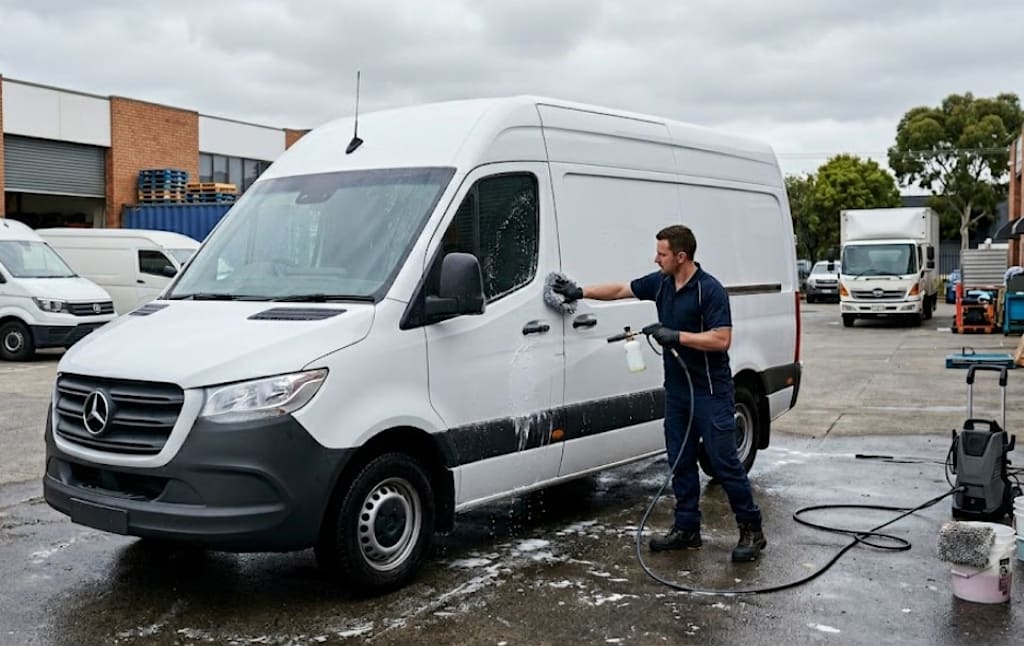
A dirty fleet doesn't just look bad at the depot. It's out on the road, in client car parks, pulling up outside offices, and people notice. Not always consciously, but they do.
For businesses running anywhere from three vehicles to thirty, keeping a fleet consistently clean is one of those tasks that sounds simple until it isn't. Coordinating wash schedules around driver availability, finding somewhere with the space and water supply to handle multiple vehicles, dealing with the inevitable one van that's been on a construction site for a week, it compounds quickly. Most operations end up with a patchwork approach: some vehicles clean, some not, nobody quite sure whose job it is.
What a Dedicated Fleet Detailer Actually Does Differently
A professional fleet detailer works around your schedule, not the other way around. On-site service means vehicles don't leave the yard; they get cleaned where they're parked during hours that don't interrupt operations. For businesses with strict turnaround times or drivers who start early, that matters more than most operators initially realise.
The other difference is consistency. An internal approach to fleet cleaning tends to produce variable results depending on who's doing it and how rushed they are that week. A fleet car detailing service delivers the same standard across every vehicle, every visit. That uniformity is what keeps a fleet looking like a fleet rather than a loose collection of cars in various states of cleanliness.
The Vehicles That Benefit Most
Trades vehicles are the obvious ones, utes, vans, and work trucks that accumulate grime faster than passenger cars and often go longer between cleans because nobody's made it a priority. But corporate fleets have their own version of the problem. Lease vehicles, executive cars, and company SUVs used for client transport need a different kind of attention, interior presentation, odour removal, that kind of detail that matters when someone's sitting in the back seat.
Caravans and specialist vehicles occasionally come into the mix for businesses in tourism or events. The cleaning requirements are different again, but a detailer set up for fleet work, with their own water and power supply, can handle them without the logistical headache of finding a facility that can.
Why Insured, Self-Contained Service Is Worth Specifying
Two things get overlooked when businesses shop around for fleet detailing. The first is insurance, specifically, whether the detailer carries public liability cover for working on-site at a commercial premises. If something gets damaged or there's an incident involving equipment, that coverage is what determines whether it's your problem or theirs.
The second is self-containment. A detailer who relies on access to your water and power creates a dependency that doesn't always work out neatly. A fully self-contained operation brings everything needed on the vehicle, no negotiating with site managers, no delays because the outdoor tap is on the wrong side of the yard.
The Cost of Letting It Slide
A fleet that goes six weeks without a proper clean doesn't just look neglected, it starts costing money. Brake dust left on alloys causes corrosion. Bird droppings left on paint for weeks etch into the clear coat. Interiors that don't get regularly vacuumed and wiped down develop smells that don't come out easily, particularly in vans where gear gets thrown around daily.
None of it is dramatic. It happens gradually, which is exactly why it gets ignored until the damage is already done. A regular fleet detailing schedule, even monthly, keeps on top of all of it before the small stuff becomes a repair bill. For businesses that lease their vehicles, that matters at handback time more than most drivers anticipate.
About the Creator
Enjoyed the story? Support the Creator.
Subscribe for free to receive all their stories in your feed.
Comments
There are no comments for this story
Be the first to respond and start the conversation.