
Why Ice Management Is One of the Most Overlooked Challenges in Catering
The Silent Role of Ice in Successful Events

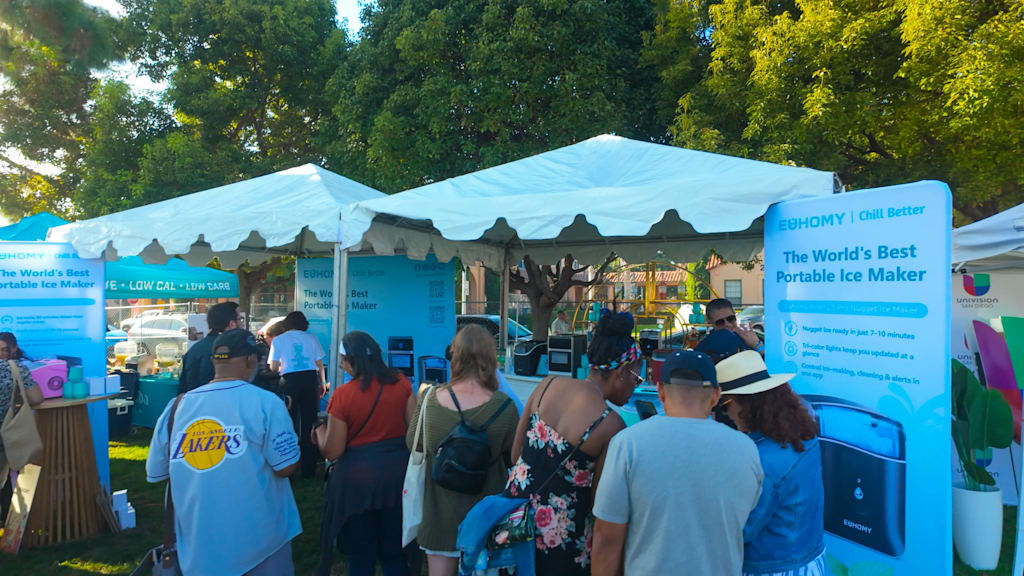
Most guests never think about ice at an event. They notice the food, the drinks, the decorations, and the service. Yet behind the scenes, ice plays a surprisingly important role in keeping everything running smoothly. From chilling beverages to preserving food presentation, a reliable supply of ice can influence the overall guest experience more than many people realize.
While researching common operational challenges faced by catering businesses, one issue appeared repeatedly: maintaining a steady ice supply during large events. Unlike food preparation, which can be carefully planned in advance, ice consumption often fluctuates throughout the day. A sudden rush at the bar, warmer-than-expected weather, or an increase in guest attendance can quickly put pressure on available supplies.
The Hidden Logistics Behind Every Event
Catering professionals spend significant time planning menus, staffing requirements, transportation, and venue coordination. Ice management is often treated as a secondary consideration until problems arise.
For outdoor weddings, corporate gatherings, and private celebrations, demand can increase rapidly during peak service periods. Guests ordering cold drinks simultaneously can place unexpected pressure on available resources. When supplies run low, staff members may be forced to leave the venue to purchase additional bags of ice, creating unnecessary disruptions during service.
These situations highlight a broader reality within the event industry: successful execution often depends on the small operational details that guests never see.
How Technology Is Changing Event Preparation
In recent years, many catering businesses have adopted technology-driven solutions to simplify routine operational tasks. Digital scheduling systems, inventory management software, and mobile communication platforms have all helped improve efficiency.
In recent years, portable ice-making equipment has become increasingly common among catering professionals looking for greater flexibility during events. Products such as the euhomy ice leopard X1 portable rapid ice maker reflect a broader trend toward compact, mobile solutions that can help businesses manage operational demands without relying entirely on external ice suppliers.
Ice production equipment has also evolved. Portable ice-making systems now offer features that were once limited to larger commercial installations. Some units include automated cleaning functions, production monitoring, and mobile connectivity that allow operators to track performance remotely.
One example is the Euhomy Ice Leopard X1, a portable ice maker designed to provide continuous ice production without requiring permanent installation. While products like this are not a complete replacement for commercial systems, they demonstrate how manufacturers are responding to the changing needs of mobile catering operations.
Reducing Dependence on Emergency Supply Runs
One of the most common frustrations discussed by catering teams is the need for last-minute supply trips. These unexpected interruptions consume valuable staff time and introduce unnecessary risk during busy events.
By producing ice on-site, businesses can reduce reliance on external suppliers and gain greater control over inventory. This approach does not eliminate planning requirements, but it can provide an additional layer of flexibility when demand exceeds initial forecasts.
For small and medium-sized events, having a supplemental source of ice available may help reduce operational stress and improve overall efficiency.
Why Small Operational Improvements Matter
Clients rarely judge an event based on a single factor. Instead, their impression is formed through dozens of small interactions throughout the day. Consistent beverage service, quick response times, and smooth coordination all contribute to a positive experience.
Because of this, many catering professionals focus on identifying operational bottlenecks before they become visible problems. Ice management may not be the most exciting aspect of event planning, but it remains an important component of successful service delivery.
As catering businesses continue adopting modern equipment and smarter workflows, attention is increasingly shifting toward solutions that reduce manual tasks and allow staff to focus on guest experience rather than logistical challenges.
Final Thoughts
The catering industry depends on preparation, adaptability, and attention to detail. While ice may seem like a minor consideration compared to menu planning or venue design, its impact on service quality is significant. Understanding how businesses manage this often-overlooked resource provides valuable insight into the complex logistics that support successful events.
AI Transparency Note: This article was developed with the assistance of artificial intelligence tools and reviewed, edited, and refined by the author before publication.
About the Creator
Steve Davis
Content writer and blogger.
Enjoyed the story? Support the Creator.
Subscribe for free to receive all their stories in your feed.
Comments