
Why Builders and Craftsmen Keep Reaching for Radiata Pine Timber
Builders and Craftsmen Keep
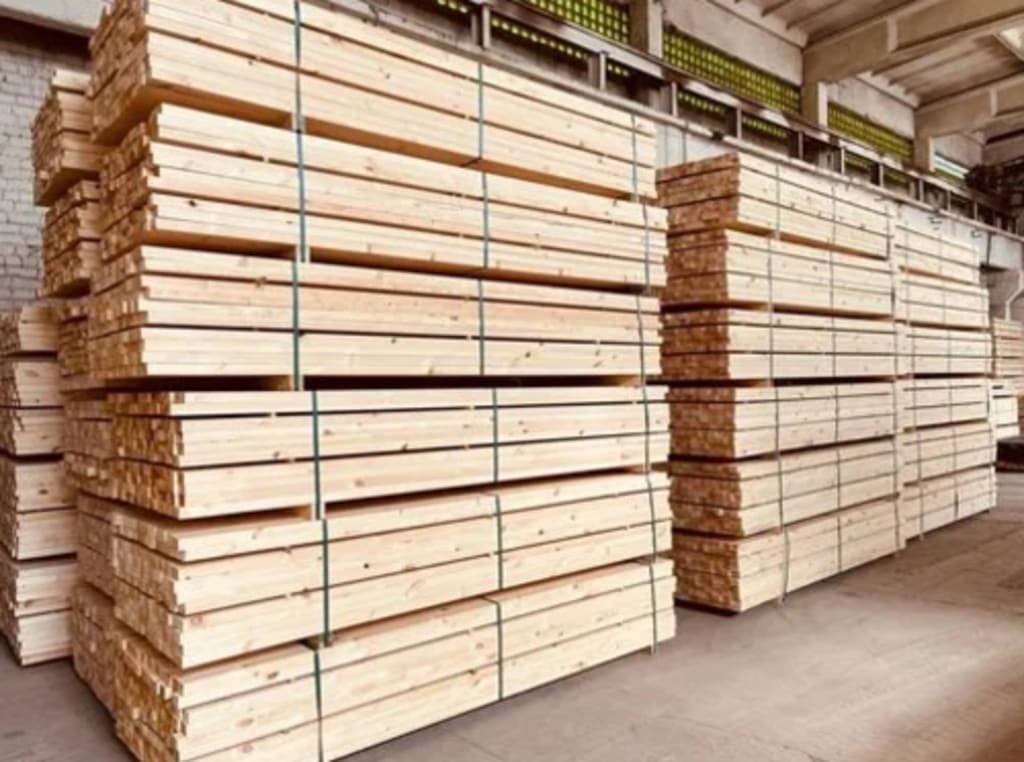
Timber choosing on a construction is seldom as basic as selecting the cheapest option or the nicest grain. The incorrect species in the appropriate application generates difficulties that show up months later – warping under load, rot spreading from a single wet season, and finish peeling because the substrate never received it correctly. Radiata pine timber continues spreading throughout Australian and New Zealand buildings because it addresses particular difficulties that other species manage poorly. Understanding which difficulties and why informs you substantially more than a generic endorsement ever could.
Sapwood Absorbs Preservative; Heartwood Does Not
Most people know treated pine resists rot. Far fewer know the treatment only works properly on sapwood — the younger, outer portion of the log. Radiata is unusual because plantation trees are harvested young enough that the timber is predominantly sapwood throughout, with very little of the dense, waxy heartwood that blocks chemical penetration. This is not a flaw — it is what makes treatment so effective. A hardwood post treated the same way may absorb preservative only a few millimetres deep. Radiata takes it through the full profile, which is why it performs so differently in ground contact or exposed outdoor applications.
Consistent Growth Rings Mean Predictable Movement
Timber moves. It expands as it absorbs moisture and compresses when it dries, and species with unusual growth patterns move unexpectedly — gaps occur where they should not, joints open up, boards cup across their breadth. Radiata produced under plantation conditions develop tighter, more regularly spaced growth rings than naturally occurring individuals of the same species. That consistency transfers directly into more predictable dimensional movement. Builders who deal with it often understand how it will react before cutting, which eliminates waste and generates better joints over time.
Structural Grades Are Not All the Same Timber
Buying radiata marked as structural is not the end of the specification process. The grading system separates timber into categories based on knot size, knot placement, and slope of grain — all of which affect how a piece performs under bending or compressive load. Radiata pine timber graded for wall framing is assessed differently from material specified for roof purlins or floor joists. A contractor who treats all structural pine as interchangeable is making a substitution that an engineer's plan does not allow. The grades exist because performance genuinely differs between them, and on certified projects, the documentation needs to match what is actually in the wall.
The Resin Behaviour Matters for Paint Finish
Radiata is a resinous wood, and resin and paint do not naturally cohabit. In younger, faster-grown plantation wood, the resin pockets tend to be smaller and more uniformly distributed than in slow-grown species. When the wood is primed properly and the resin is sealed, the paint finish holds neatly. Skip priming or use an unsuitable primer, and the resin seeps through – the finish yellows, blisters, and peels back. Radiata pine lumber painted without that pretreatment appears OK for a season and then begins to degrade, which is commonly blamed on the timber rather than the finishing technique.
Knots Are Structurally Different From Grain
A knot is not a visual feature. It is where a branch once connected to the tree, and the grain around it runs in a completely different direction from the surrounding wood. Under load, stress concentrates around knots rather than distributing through the section. A tight knot in the middle of a board face is manageable in appearance-grade work. A loose knot near the edge of a structural member is a different matter entirely. Specifying the right grade for the application — not just the right species — is where informed material selection actually happens.
Conclusion
Radiata pine timber rewards those who understand it and punishes those who treat it as a generic commodity. The sapwood structure, the grading distinctions, the resin behaviour under paint, the movement patterns in plantation-grown stock — these are not incidental details. They are the knowledge that separates a material used well from one that causes callbacks, which cost far more than the timber ever did. Knowing the species properly is what makes it work.
About the Creator
Enjoyed the story? Support the Creator.
Subscribe for free to receive all their stories in your feed.
Comments
There are no comments for this story
Be the first to respond and start the conversation.