
Why After-Hours Security Is Becoming a Bigger Priority for Modern Businesses
Most business owners spend a lot of time thinking about what happens during the working day.
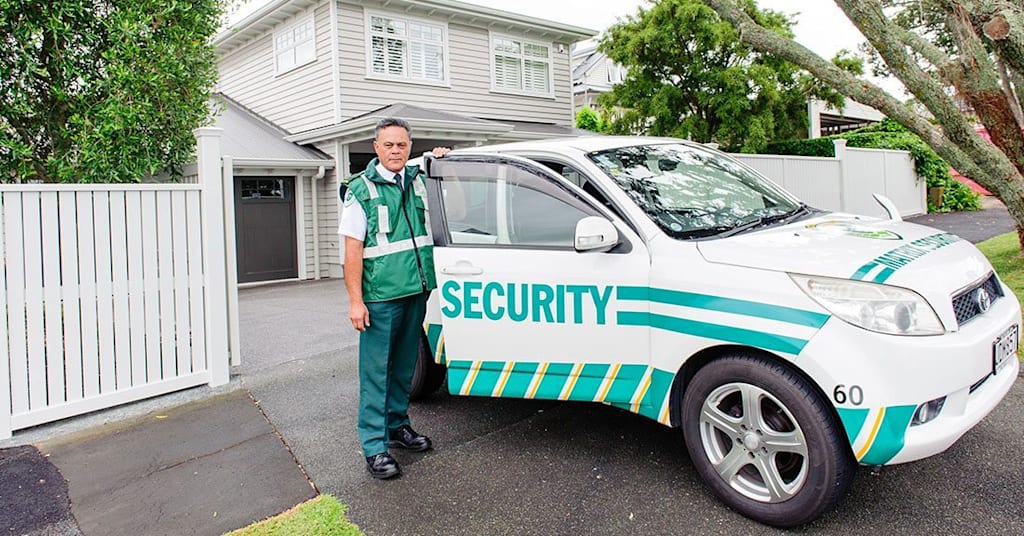
They think about customers, staff, deliveries, meetings, deadlines, sales and the many moving parts that keep a company running. But some of the biggest risks to a business often appear when no one is around to notice them.
After-hours security used to be treated as something simple. Lock the doors. Set the alarm. Hope nothing happens.
That approach is no longer enough for many businesses.
Today, commercial sites are more complex. Workplaces have flexible hours. Staff may come and go at different times. Contractors may need temporary access. Warehouses may hold valuable stock. Offices may contain expensive equipment. Retailers may be dealing with theft, vandalism or break-in attempts. Property managers may be responsible for multiple buildings across different locations.
Because of this, business security is becoming less about one device and more about a complete plan.
Security is not just about stopping break-ins
When people think about business security, they often picture alarms and cameras. These are important, but they are only part of the bigger picture.
Good security also protects people.
It supports staff who arrive early or leave late. It helps managers understand who has access to certain areas. It gives business owners more visibility over what is happening on-site. It helps reduce uncertainty when an alarm is triggered. It can also support health and safety by making sure risks are identified and responded to properly.
For a modern business, security is not only about preventing crime. It is about protecting continuity.
A single after-hours incident can create a chain reaction. A broken window, stolen equipment, damaged stock or forced entry can lead to insurance claims, downtime, lost revenue, cancelled appointments and stress for staff. In some industries, even a small disruption can affect the next day’s operations.
That is why more businesses are taking a layered approach.
What layered security actually means
Layered security means using different tools and processes together, rather than relying on one system to do everything.
For example, an alarm may detect movement. CCTV may provide visual evidence. Access control may show who entered the building and when. Monitoring may help verify whether the incident is genuine. A mobile patrol or security guard may attend the site if needed.
Each layer has its own role.
An alarm is useful because it can detect a possible issue. Cameras are useful because they can show what happened. Access control is useful because it helps manage entry. Patrols are useful because they add a human response when technology alone is not enough.
The goal is not to make security complicated. The goal is to make it practical.
For many businesses, that means working with a provider that can assess the site, understand the operating hours, identify weak points and recommend the right mix of systems. Auckland businesses looking for practical commercial security solutions can benefit from a plan that combines technology, monitoring and response rather than treating each service separately.
Access control is becoming more important
Keys are simple, but they are not always easy to manage.
A business may issue keys to staff, cleaners, contractors, managers or temporary workers. Over time, it can become difficult to know who has access and whether old keys have been returned. If a key is lost, the business may need to change locks or accept the risk that someone still has access.
Access control helps solve this problem.
Instead of relying only on physical keys, businesses can use cards, fobs, PINs, mobile credentials or biometric systems. Permissions can be changed when staff leave, roles change or contractors finish their work. Different areas can have different access levels.
This is especially useful for offices, warehouses, apartment buildings, industrial sites and multi-site businesses.
Access control is not just about keeping people out. It is also about making entry easier for the right people while keeping sensitive areas protected.
CCTV works best when it has a purpose
Many businesses install cameras, but not all camera systems are planned well.
A camera that points at the wrong area may not capture the information needed during an incident. A low-quality image may be difficult to use. A system that is never checked may stop working without anyone noticing. Footage that cannot be accessed quickly may not help when it is needed most.
CCTV works best when it is designed around real risks.
For a retailer, that might mean covering entrances, tills, stock areas and blind spots. For a warehouse, it might mean monitoring loading bays, yards and external access points. For an office, it might mean covering reception, shared spaces and after-hours entry points.
Cameras can deter unwanted behaviour, support investigations and help verify alarm events. But they should be part of a broader system, not a standalone fix.
The response plan matters
One of the most overlooked parts of business security is the response plan.
What happens when an alarm activates?
Who is contacted first? Who has keys? Is there a staff member expected to attend the site? Is that safe? Can the event be verified remotely? Should a patrol be dispatched? Are there instructions for different types of incidents?
These questions matter because an alarm without a clear response process can create confusion.
For small businesses, the owner may be the first person called. That can be stressful, especially if the alarm goes off late at night. For larger businesses, the issue may be passed between managers, facilities teams and contractors before anyone knows what to do.
A good response plan removes guesswork.
It should outline who is responsible, what steps are followed, and when professional attendance is required. This is where monitoring, patrol response and keyholding can make a real difference.
Security should fit the business
Not every business needs the same level of security.
A small professional office has different needs from a large warehouse. A retail store has different risks from a construction site. A multi-site company has different requirements from a single family-owned business.
The best security plan is the one that matches the way the business actually operates.
That includes operating hours, staff movement, stock value, location, public access, parking, deliveries, contractor access, budget and existing systems. A good plan should also be able to grow as the business changes.
Security should not slow down the people who are meant to use it. Staff need systems they can understand. Managers need reporting they can trust. Business owners need confidence that the system will work when it matters.
After-hours security is part of business resilience
Business resilience is often discussed in terms of finance, staffing, technology or supply chains. Security deserves a place in that conversation too.
A secure site helps protect revenue. It supports staff wellbeing. It reduces avoidable disruption. It gives business owners better control over risk. It can also make it easier to respond quickly when something does go wrong.
The businesses that handle security well are usually the ones that think about it before an incident happens.
They do not wait until a break-in, theft or safety concern forces a rushed decision. They review their site, identify weak points and put practical systems in place.
That does not mean every business needs the most expensive technology or a complicated setup. It means each business should understand its risks and have a clear plan for reducing them.
After-hours security may not be the most visible part of running a business, but it is one of the most important. When the doors are locked, the lights are off and the team has gone home, the right security plan keeps working in the background.
About the Creator
Enjoyed the story? Support the Creator.
Subscribe for free to receive all their stories in your feed.
Comments
There are no comments for this story
Be the first to respond and start the conversation.