
When Water Finds a Way: The Real Cost of Protecting Your Home’s Roofline
Most people overlook exterior drainage until the basement smells damp. Here is an honest breakdown of materials, pricing, and practical maintenance.

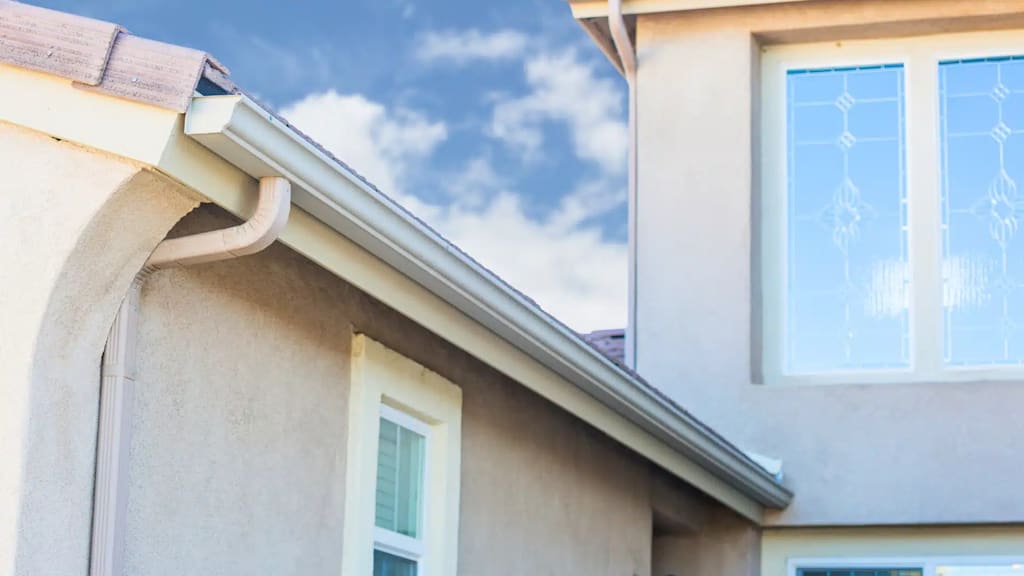
Every homeowner eventually learns that water is patient, persistent, and remarkably destructive. It does not take a dramatic flood to cause thousands of dollars in structural damage; a steady overflow dripping off an unkempt roofline week after week will do the job quietly.
We invest heavily in the systems we interact with daily—servicing furnaces, sealing drafty windows, and maintaining plumbing. Yet the metal channels hanging beneath our roof shingles—tasked with diverting thousands of gallons of stormwater away from our foundations—rarely cross our minds until something fails.
When rainwater cascades over walkways or pools against basement walls, gathering contractor estimates can quickly become confusing. One estimate comes in under a thousand dollars, while another pushes well beyond two thousand for the exact same roofline. Understanding how these projects are priced, which materials deliver lasting value, and how to spot the difference between a minor repair and a full replacement makes all the difference.
The Linear-Foot Pricing Model
Contractors rarely bill exterior drainage using arbitrary hourly rates. Instead, they measure the horizontal perimeter of your eaves and calculate the project by the linear foot. For a single-family home requiring 150 to 200 linear feet, total installed costs generally fall between $1,000 and $2,000, depending on regional labor and materials.
The material you choose establishes the baseline quote:
Vinyl: The cheapest upfront option. While lightweight, vinyl struggles in harsh climates. Repeated freeze-thaw cycles make the plastic brittle, and heavy snowpacks frequently cause troughs to crack.
Aluminum: The standard for modern homes. Aluminum offers the ideal balance of price, weight, and rust resistance. It handles seasonal temperature swings without degrading, providing reliable long-term service.
Galvanized Steel: Stronger than aluminum, steel easily withstands falling branches. However, once the protective zinc coating is scratched, rust takes hold.
Copper: Often chosen for historic restorations, copper will never rust and gradually develops a natural patina. It lasts over fifty years, but premium material and specialized soldering costs make it an expensive architectural choice.
Why Similar Homes Receive Different Bids
Beyond raw materials, several architectural details influence the bottom line:
Seamless vs. Sectional: Sectional gutters come pre-cut and join together with brackets and sealant. While cheaper upfront, every joint is a potential leak point. Seamless gutters are custom-extruded on-site to fit each eave perfectly, significantly reducing leak risks.
Trough Capacity: Standard systems use five-inch troughs. Homes with steep pitches or wide roof valleys concentrate massive amounts of water during storms. Upgrading to six-inch troughs increases capacity by roughly forty percent, preventing water from spilling behind the metal.
Site Accessibility: A single-story ranch on flat ground is quick work. A multi-story residence on a slope requires safety rigging, ladder staging, and significantly more labor hours.
Repair vs. Total Replacement
Before replacing an entire system, determine whether a targeted fix is enough.
A simple repair makes sense when damage is isolated to a leaking corner seam, a loose bracket, or a crushed downspout elbow. If the metal is straight and under ten years old, a fresh bead of sealant or a new fastener will solve the problem.
A full replacement is warranted when entire runs sag, multiple seams pull apart across different sides of the house, or widespread corrosion appears. If trapped water has rotted the timber fascia boards behind the troughs, the hardware must come down so the backing lumber can be replaced.
Due Diligence Before Signing
Always request an itemized proposal separating materials, labor, and hardware, and verify that tear-off and disposal fees are included. Most importantly, ensure the installer inspects the fascia boards once the old gutters are removed. Fastening new hardware into softened, water-damaged wood ensures the troughs will pull loose during the first heavy snowfall.
About the Creator
ORB Tree Service Marketing
ORB Tree Service Marketing provides SEO and local search strategies for the tree care and roofing industries. Follow us for insights on search optimization and lead generation for home services.
Enjoyed the story? Support the Creator.
Subscribe for free to receive all their stories in your feed.
Comments
There are no comments for this story
Be the first to respond and start the conversation.