
What Years of Storm Prep Taught Me About Coastal Roof Survival
A practical, step-by-step framework to protect your roof and home exterior before high winds hit the coast.

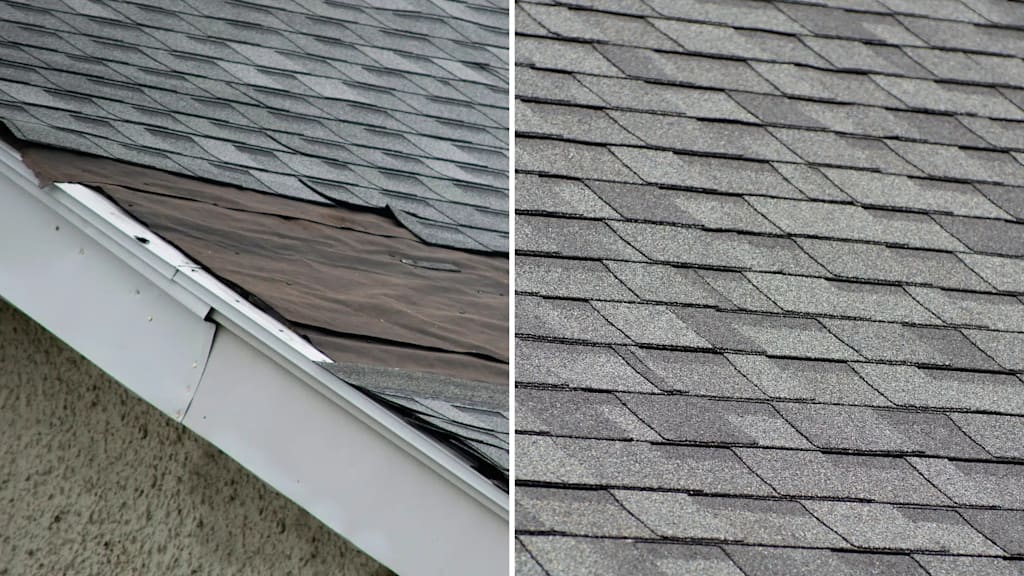
Every year as summer unfolds, coastal communities brace for hurricane season. From June through November, severe weather shifts from a distant concern into an active reality. For homeowners in vulnerable coastal areas, protecting a roof is the single most important maintenance step of the year.
Having evaluated residential roofs before and after major storms, I have noticed a clear pattern: catastrophic roof failures rarely happen by pure chance. In almost every case, major leaks or structural damage start with small, overlooked vulnerabilities that high-velocity winds exploit in seconds.
When you understand how storm damage happens, hurricane readiness stops feeling like panic and becomes a clear, manageable checklist.
How Hurricanes Damage a Roof
When a hurricane makes landfall, sustained winds exceed 74 mph. While most people worry about flying branches, the hidden threat to a roof is wind uplift.
As high-speed air flows over a roof pitch, air pressure drops rapidly outside while remaining normal inside the attic. This pressure difference creates a vacuum effect, pulling upward on shingles and roof decking in three rapid stages:
Pneumatic Separation: High winds catch a loose or aging shingle, peeling away large sections of roofing in seconds.
Water Intrusion: Torrential rain penetrates the exposed underlayment, causing rot, ceiling leaks, and rapid mold growth.
Structural Failure: Strong uplift suction paired with heavy interior water weight can cause entire roof sections to collapse.
A 6-Step Roof Defense Plan
To give your home the best chance of enduring tropical weather, focus on these six structural steps.
1. Perform a Three-Zone Inspection
Catching issues early prevents emergency mid-storm repairs. Check three areas:
Interior: Look for damp spots, peeling paint, or ceiling stains in living areas.
Attic: Switch off attic lights during the day. If daylight shows near vents or chimneys, wind-driven water will enter during a storm.
Ground Perimeter: Use binoculars from the ground to check for missing shingles, dented flashing, or granules clogging gutters. Avoid climbing on steep roofs yourself.
2. Consider Polymer-Modified Shingles
When replacing a roof, opt for impact-resistant shingles modified with rubberized polymers (like SBS). They absorb impacts from hail and debris far better than traditional asphalt and often carry wind ratings up to 130 mph.
3. Install Hurricane Straps
Homes built before the early 2000s often lack continuous load paths. Galvanized steel hurricane straps tie roof trusses directly to load-bearing wall studs. Retrofitting generally costs between $1,000 and $2,500, preventing full roof detachment during severe uplift.
4. Repair Roof Flashing
Flashing seals seams around chimneys, valleys, and skylights. Loose or corroded metal flashing is a primary entry point for wind-driven rain. Resealing or replacing damaged flashing before storm season is an essential, cost-effective fix.
5. Evaluate Standing Seam Metal Roofing
If over 20% of your asphalt shingles are worn, upgrading to standing seam metal is worth considering. Interlocking panels and concealed fasteners handle extreme uplift exceptionally well, last up to 50 years, and require minimal maintenance.
6. Protect Attic Vents
Hurricane winds easily force rain backward through static vents. Install hurricane-rated vents or cover static openings with temporary plywood panels right before landfall. Remove temporary covers immediately post-storm to prevent trapped heat from rotting attic wood.
Hardening the Home Exterior
Beyond the roof deck, secure the rest of your home envelope:
Gutters: Clear leaves and granules so heavy rain drains fast without backing up under fascia.
Windows & Doors: Protect glass with storm shutters or impact-rated glass to prevent indoor pressure surges.
Landscaping & Yard: Trim overhanging tree branches, and bring patio furniture, grills, and tools indoors so high winds cannot turn them into airborne projectiles.
Final Advice & Realities
Replacing a standard shingle roof in coastal regions typically costs between $6,000 and $20,000 depending on materials and square footage. Routine visual inspections twice a year—ideally in spring and autumn—help catch minor issues early.
Finally, review your property insurance well before storm warnings arrive. Standard policies cover wind damage, but flood damage requires separate coverage. Proactive reinforcement today is always far less expensive than reacting to catastrophic storm damage tomorrow.
About the Creator
ORB Tree Service Marketing
ORB Tree Service Marketing provides SEO and local search strategies for the tree care and roofing industries. Follow us for insights on search optimization and lead generation for home services.
Enjoyed the story? Support the Creator.
Subscribe for free to receive all their stories in your feed.
Comments
There are no comments for this story
Be the first to respond and start the conversation.