
What Types Of Roofing Materials Do Contractors Use Today?
Types Of Roofing Materials Do Contractors Use
A roof system for your home is necessary to give it a stunning look and feel. For some people roofing the house is a tedious task. If it develops a leak, you need to fix it as soon as possible. The prospect of having a new roof installed looks attractive, and a new roof can add value to your house.
The selection of roofing materials depends on the shape of the roof, climatic conditions, location, and whether they get used for residential or commercial. A consultation from a roofing contractor helps to make a wise decision in selecting the best roofing material.
Here are 12 types of roofing materials used by contractors:
Roofing Material. 1 - Built-Up Roofing (BUR)
Built-up roofing gets used as the materials for flat roofs. BUR systems get constructed with plenty of layers like tar, asphalt & adhesive with a layer of hot tar. It’s best applied over a concrete roof so, it forms a thick layer that is resistant to harsh weather.
The BUR has some drawbacks to them, as they become sticky due to asphalt in warm weather.
Price & life-expectancy: The installation cost of BUR is approximately $2.50 to $5 per square foot. BUR material can last up to 20 to 30 years.
Roofing Material. 2 - Wood Shingles & Shake
Wood shakes roofing material is a considerable choice for an environmentally friendly owner. They get made up of wood, most of the shake roofing shingles and panels consist of renewable sources. Wood shingles & shakes get prepared in a manner that has less impact on the environment. It is true if you decide to use recycled wood for your roofing upgrade.
Using wood is helpful if you want to reduce the carbon footprint as it does not affect the rainwater. There is no problem with the harmful products going into the soil or getting into the groundwater.
It’s becoming popular because the wood shake life is up to 50 years while doing regular maintenance. Wood shingles and shakes are on a bit of an expensive side with a stunning finish. It makes them a future-proof investment for your home.
Price & life-expectancy: Wood shingles cost around $4.50 - $9 square foot. The shakes cost approx $6.50 - $11 per square foot.
Roofing Material. 3 - Clay Tile
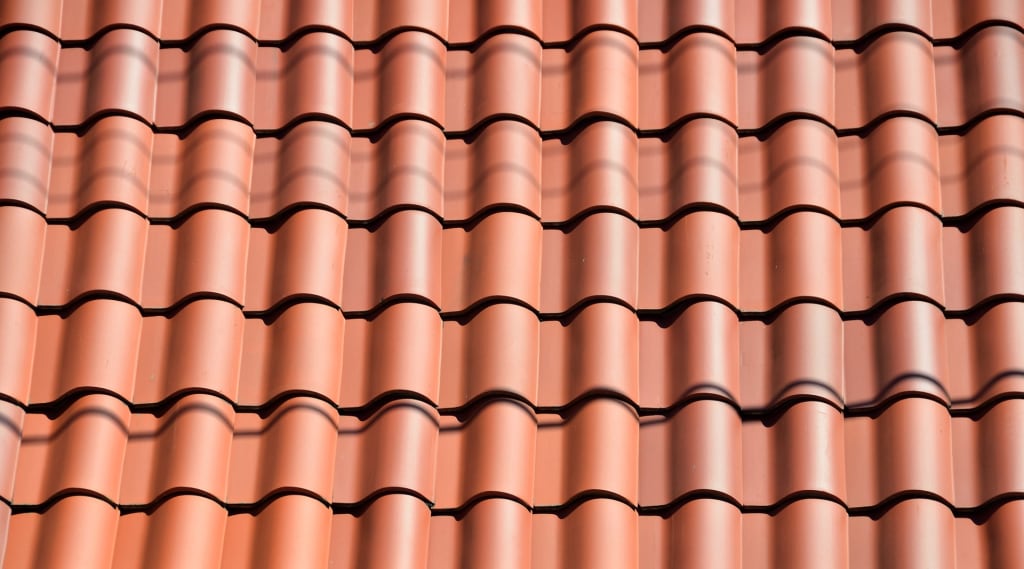
Clay tile gets made from the earthen clays molded into shapes for hardness & it adds the needed texture and elegance to a roof. Clay tiles are durable and are on the heavier side. It requires the attention of the experienced roofing contractor. Clay tile is suitable for roofing in warmer climates.
Price & life-expectancy: Clay tile is between $10 to $18 per square foot. Clay tile is a long-lasting roofing material that lasts for more than a century.
Roofing Material. 4 - Concrete Tile
Concrete tiles are the ideal alternative to clay tiles having similar installation techniques. Concrete tiles get made from the standard mix. There are a lot of varieties present from rolled clay tiles to wood shakes. Concrete tile is a popular choice in windy areas.
Price & life-expectancy: The cost is approx $9 to $12 per square foot. The life expectancy is around 50 years or longer.
Roofing Material. 5 - Metal Shingles/Shakes
In place of seam metal roofs, there are better options present in the market. Metal shingles get fabricated to look similar to traditional asphalt shingles and many other types of tiles. Metal shingles are an ideal choice if you are looking for a stylish outlook for your home.
Price & life-expectancy: The metal shingle roof costs $7 to $10 per square foot. Metal shingles last around 30 to 50 years.
Roofing Material. 6 - Standing Seam Metal Roofing
A standing seam roof is one of the popular options as a roofing material. The standing seam metal roofing has four profile types:
- Snap-lock
- Mechanical seam
- Batten panel
- Nail flange
The standing seam metal roofing materials are sleek, long-lasting, and recyclable. Here are the advantages:
- It allows for thermal movement.
- A standing seam metal roofing material is energy efficient.
- Plenty of mounting options
Price & life-expectancy: The cost is between $6 to $12 per square foot. Metal roofs last up to 30 to 50 years.
Roofing Material. 7 - Spray Foam Roofing
Spray foam roofing is another popular choice for roofing contractors. Because of the ease, it offers during the installation. The spray foam roofing is applied over an existing roof & requires a clean surface for proper application.
Spray foam roofing prevents the common problem most homeowners face, which is standing water. It puts a stop to the small gaps, cracks, and holes via which energy can escape.
Price & life-expectancy: The cost is approx $2.50 to $3 square per foot. Spray foam roofing can last for 20 to 30 years if maintained properly.
Roofing Material. 8 - Asphalt Composite Shingles
Asphalt shingles help to protect your home from daily weathering. The asphalt shingles don’t require a lot of yearly maintenance. The asphalt shingles come with a low installation cost. It helps to protect your home for 10-15 years.
Asphalt composite shingles get installed in warm climates. It’s perfect for homes in Northwest regions in the United States. The pros of asphalt composite shingles include the affordable cost, range of thickness & lots of color options.
Price & life-expectancy: The asphalt composite shingles cost about $1.50 to $2.50 per square foot. This roofing lasts on an average for ten years.
Roofing Material. 9 - Slate Shingles
A slate roof is the ideal roofing material present. The slate roofs are durable even after 100 years. Slate shingles are very durable, fire-resistant, and a sustainable roof that can be recycled. The installation process of slate shingles requires experienced roofing contractors.
Price & life-expectancy: Slate roofs typically cost between $30 to $75 per square foot. It lasts for around 75 to 200 years.
Roofing Material. 10 - Synthetic Roofing Products
The synthetic roofing products present in the market include rubber, polymer & rubber roofing. Synthetic roofing material is not as heavy and expensive as other materials.
The National Roofing Contractors Association (NCRA) suggests you look at full-size samples of the synthetic product. Inspect for the installations that are already in place for around ten years to know the difference.
Price & life-expectancy: Synthetic roofing costs around $9 to $12 per square foot depends on the area you reside.
Roofing Material. 11 - Green Roofing
It is another popular roofing options present, is green roofing. They are a modern-day answer to global warming. They are covered with plants and have environmental benefits.
Green roofing helps to reduce water runoff, improve air quality, and more. Green roofing requires extra support. As plants get heavier as they grow, they need extra care than other roofing types.
Price & life-expectancy: The estimated cost of installing a green roof is between $10 - $25 per square foot. The lifespan of green roofing is 30 to 50 years.
Roofing Material. 12 - Rolled Roofing
Rolled roofing is best for low-slope residential roofs & sheds. Each roll is about 100 square feet of roofing. The rolled roofing gets used on low-sloped roofs. The pros of rolled roofing are:
- Rolled roofing is the least expensive material available.
- Rolled roofing is applied quickly within minutes.
- Rolled roofing is an adjustable material.
Price & life-expectancy: The rolled roofing is inexpensive, costing between $1.50 to $2.50 per square foot.
Conclusion
So, these are the 12 roofing materials that are popular among the roofing contractors. Roofs are known as the first layer of protection. A roof protects your home from rain, sunlight, snow, and more. The roofing materials need to be ideal by the lifespan of the building.
There is a wide range of roofing materials present today, and a homeowner should choose the roofing materials according to their requirements.
About the Creator
Enjoyed the story? Support the Creator.
Subscribe for free to receive all their stories in your feed.
Comments
There are no comments for this story
Be the first to respond and start the conversation.